

Toni Coll: The Quiet Bridge-Builder of German Mallorca Tourism
Toni Coll: The Quiet Bridge-Builder of German Mallorca Tourism
With the death of Toni Coll, Mallorca loses one of the most important intermediaries between German tour operators and the island's hotel industry. His style: quiet, reliable, personal. A look back and a look ahead.
Toni Coll: The Quiet Bridge-Builder of German Mallorca Tourism
In the early morning, when the first delivery vans start their day at the Mercat de l'Olivar and the street cafés on Passeig Mallorca spread the scent of freshly brewed coffee, locals quickly notice: the island has lost one of its makers again, as with the recent The Quiet Hostess of Palma: Farewell to Ana María Jaume. Toni Coll, for many years head of purchasing and the face of the large German tour operator in Mallorca, has died. Those who knew him do not describe him as a person of the limelight, but as someone who made things possible behind the scenes.
For more than four decades on the island, Coll acted as a liaison between a German tour operator and the hoteliers on site; he negotiated allotments, built partnerships, and helped build trust—often not with big speeches, but with visits to the hotel, a handshake on the terrace, an honest conversation over breakfast. For many hotel owners this meant predictability: rooms were booked, seasons could be planned, employees could be hired long-term. That is not just statistics; those are jobs, wages, families, schools, and small craft businesses, a dynamic at the heart of discussions such as When the Germans Stay Away: Opportunity or Risk for Mallorca?.
In 2019 the local tourism promoter Fomento del Turismo de Mallorca honored Coll with a gold medal. The award stood for something hard to quantify in numbers: the ability to nurture relationships, maintain discretion, and at the same time support the island economically. Especially in an industry that relies on personal contacts, that was a form of social capital that Mallorca could very well use over decades, a contrast to broader institutional debates covered in After Eleven Years at the Top: What Mallorca's Tourism Radar Really Needs to See.
What is often underestimated in public: a steady flow of guests creates room for investments in quality—from the renovation of small family hotels in Port de Pollença to the training of young service staff in Cala Millor. Coll's work helped generate this stability, a dynamic examined in Between Welcome and Wariness: Germans in Mallorca — What's Really Happening. Those who stroll on the beach of Can Pastilla in the morning not only hear the sea, but can also, in the busy corners, see the traces of such work: restaurants, car rental firms, small repair shops that live off tourism.
His style was characterized by reliability and reserve. It was not about quick headlines for him, but about lasting partnerships. That leaves a practice that younger people can take as an example: think long-term, respect local particularities, and understand both hosts' and guests' perspectives. Instead of spectacular maneuvers Coll relied on steady communication—a model that remains very useful in times of rapid trends and digital hypes.
And there are concrete things that Mallorca's tourism sector can learn from his work: more mentoring for young buyers and hotel managers, regular meetings between tour operators and hoteliers in village centers instead of only in hotel lobbies, targeted language and cultural training, as well as joint investment funds for the sustainable modernization of small houses. Such measures would not be a copy of the past, but a development of his approach: local anchoring plus partnership planning.
On the streets of Palma, between the cooing of pigeons on the Plaça Major and the clatter of plates in Bar L'Antiga, the memory remains of a man who achieved great things unobtrusively. His legacy is not a marble monument, but everyday trust: the idea that reliability and discretion can carry a region over years. When young professionals today step out of a taxi in Palma to go to a meeting with hoteliers, they are often working on the foundation laid by people like Toni Coll.
The island says a quiet thank you. For Mallorca it is a moment of remembrance and inspiration: those who listen, who connect, and who have patience can move a lot. And somewhere, in the early morning, when the sun touches the roofs of Santa Catalina, hoteliers and travel professionals will think of the man who made many encounters possible—not loudly, but with lasting effect.
Frequently asked questions
Who was Toni Coll and what role did he play in Mallorca's tourism?
How did Toni Coll's approach to tourism differ from flashy, headline-grabbing tactics?
What are the benefits of long-term partnerships between tour operators and hoteliers in Mallorca?
What lessons can Mallorca's tourism sector learn from Toni Coll's model?
Why is a steady flow of guests important for Mallorca's local communities?
What concrete examples show how this leadership translates into real improvements on Mallorca?
How can young professionals in Mallorca's tourism sector apply Toni Coll's principles today?
Where is Toni Coll’s legacy most visible in everyday life around Mallorca?
Similar News
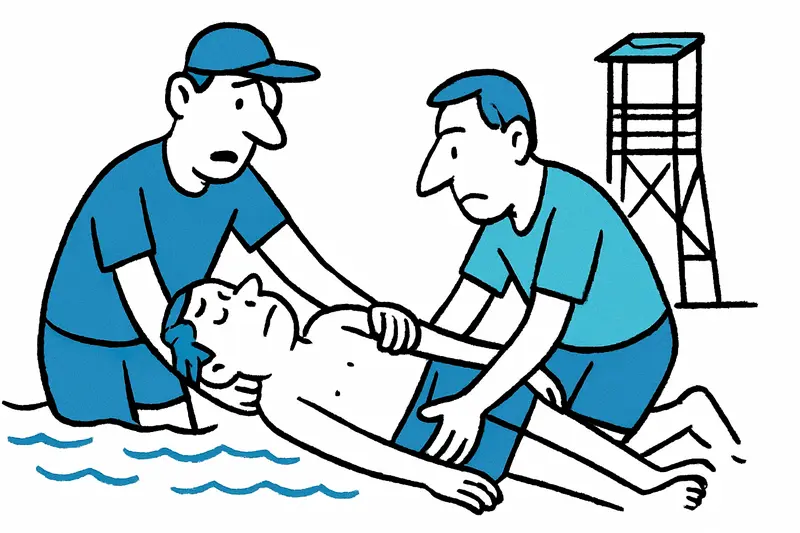
Magaluf: Watchtower Alarm – Lifeguards Pull Unconscious Beachgoer from the Water
After a drama in the late afternoon, two lifeguards at Magaluf beach rescued an unconscious 44-year-old man. He was stab...

Turquoise in the City: How dangerous is the color play of the Sa Riera?
The Sa Riera in Palma suddenly turned turquoise — a pretty motif, but behind the effect lies a discharge of saline waste...

Jeckliner at Sunnesching: Cologne spirit sets sail from Palma
In September 2027 the Mein Schiff 2 briefly becomes a floating carnival stage: four days with Cologne bands, comedy and ...
Finally Home: Mike and Leyla Heiter Buy Villa with Sea View in Mallorca
The reality TV couple Mike and Leyla Heiter have bought a house in Mallorca with a roof terrace and sea view. An Instagr...

Arrest after series in Palma: Who protects apartments from repeat offenders?
The National Police arrested a man in Palma who investigators say may have broken into several apartments. In one incide...
More to explore
Discover more interesting content

Can Cap de Bou

Townhouse Lleo 72
