
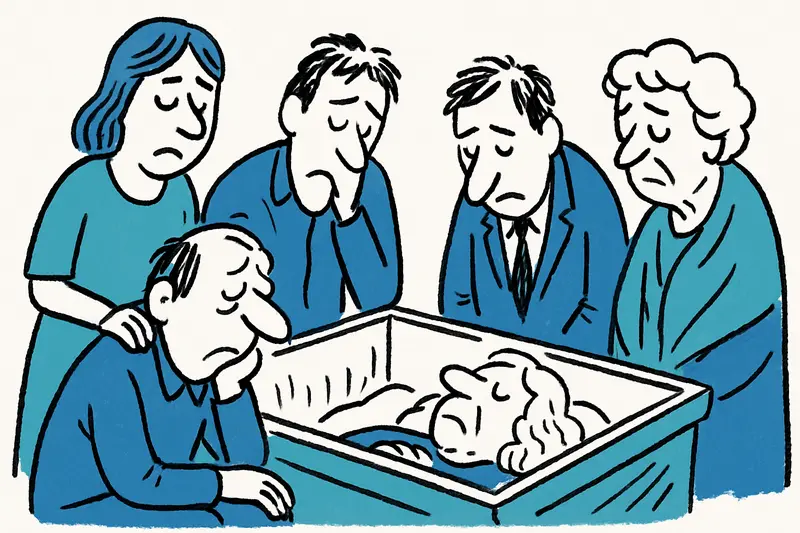
The Quiet Hostess of Palma: Farewell to Ana María Jaume
Ana María Jaume died in Palma on August 26. Not a public figure, but the steady force behind a hotel dynasty and the heart of countless family gatherings — a reminder of the quiet side of hospitality in Mallorca.
The Quiet Hostess of Palma: Farewell and Thanks
In the early morning of August 26, Palma held its breath — for many only a brief moment, then life went on, cafés opened, and the waves lapped at the Passeig Marítim. But for one family that helped shape the island’s character with small, warm gestures, a large gap has opened: Ana María Jaume has passed away, echoing recent local closures such as End of a Neighborhood Era: Can Comas on Aragón Street Closes After 29 Years. Not as a loud personality, but as the woman who counted the cutlery at family celebrations, who made grandchildren laugh with stories from earlier times, and who greeted guests on Sundays with a slice of freshly baked cake.
A life art that rarely makes headlines
Born and raised in Mallorca, she was the mother of six children, grandmother to twenty grandchildren, and even saw two great-grandchildren smile. Many Mallorcans know people like her: they live in the side streets near the sea, wear colorful scarves, wander through the markets and know which stall has the best oranges. Neighbors speak of her quiet humour, the clack of espadrilles on the tiles, and a coffee scent that drifted through the house on Sundays — small rituals that create a sense of belonging.
Those who sought fame found it elsewhere. Her husband, who died a few months before her, was the founder of a hotel group frequently mentioned in conversations and business reports. Ana María, by contrast, was the steady force in the background: she wove relationships, kept the family network together and made sure the home remained a place where people felt welcomed.
A legacy of warmth and everyday life
The family asked for privacy and thanked people for their condolences. The funeral service will be held in the closest circle — just as Ana María would probably have wanted. This decision suits her life: reserved, yet clear about what she valued. Friends and long-time employees remember her generosity, her attentive ear in difficult times, and a kitchen from which a plate always appeared when someone dropped by.
In a city where big names often dominate the headlines, it is important to remember the everyday heroines. Ana María leaves no medals, but a network of people who will carry on her way of living hospitality — whether in families, small hotels or at the market stalls where she liked to shop, similar to the places described in Palma's Quiet Favorites: Where Neighborhood Still Comes to the Table. This practice of warmth remains, not in press articles but in rituals: the shared morning coffee, long Sunday conversations, the cake for the unexpected guest.
Why this is good for Mallorca
Stories like these reveal another strength of the island: the ability to create bonds from small gestures. For Mallorcans this is more than nostalgia. Hospitality passed down from generation to generation makes visits more personal for guests and the community more resilient. Young people who today work in family businesses or start out in the hotel trade often learn more from such women than from any management handbook, a theme reflected in Ana Ivanović on Mallorca: Between Beach, Tennis and Everyday Family Chaos.
These days a mild breeze often blows from the sea, the sun sits a little lower than in high summer. It is a time to pause — and to consider that some legacies are quieter and nonetheless great: a lived way of caring for one another. Those who wish to express their sympathy to the family should do so respectfully — flowers and quiet messages are welcome.
The editors of Mallorca Magic wish the family much strength in this time of farewell.
Frequently asked questions
What is the best time to visit Mallorca if you want quieter weather and fewer crowds?
Can you still swim in Mallorca when the sun is lower and summer is ending?
What should you pack for Mallorca in late summer or early autumn?
Why do family traditions matter so much in Mallorca?
What is Palma like outside the main tourist streets?
Where do locals in Palma often go for everyday shopping and fresh produce?
How do families in Mallorca usually keep in touch across generations?
How should you express condolences to a family in Mallorca?
Similar News
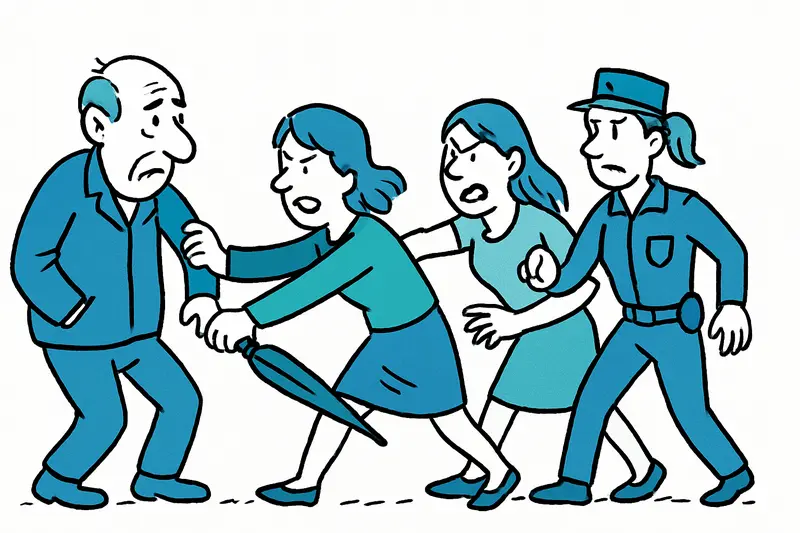
When the Wallet Becomes a Danger: Attack in Peguera and Lessons for Mallorca
In Peguera, two women are said to have stolen the wallet from a 75-year-old German couple. When the victim intervened, t...
Plata stays Plata: Young people take over, Llonguets remain
A small bar on Carrer de l'Argenteria will continue: Tolo Serra hands the place over to young Mallorcans at the end of t...
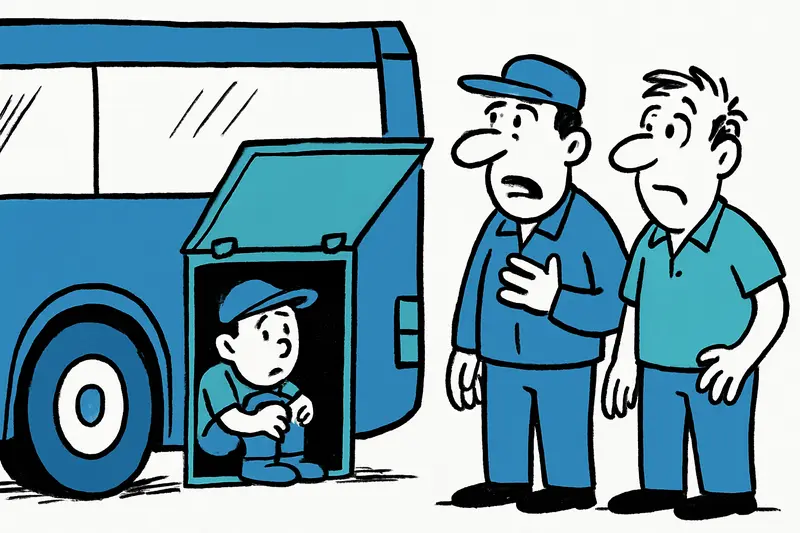
Unnoticed in the Luggage Compartment: How a Boy Traveled More Than 100 Kilometers in a Team Bus
A minor traveled in the undercarriage of a team bus for more than 100 kilometers until his cries for help were heard. A ...

Cap Vermell Grand: Second Michelin Key – a Gift for the East
The Cap Vermell Grand in Capdepera has been awarded its second Michelin key. For the region this elevates the luxury off...
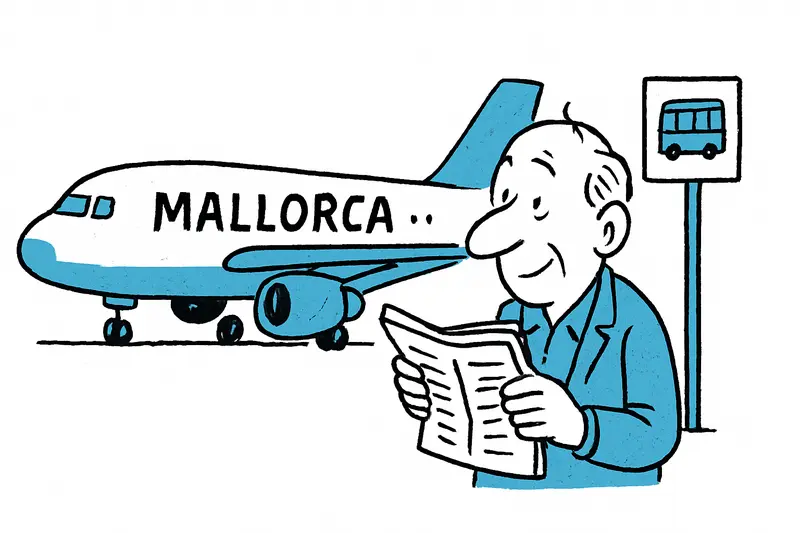
Eurowings lets four aircraft carry names – a friendly idea that also reaches Mallorca
Eurowings is launching a campaign: four Airbus A320s are to carry the first names of people who help others in everyday ...
More to explore
Discover more interesting content

Can Cap de Bou

Townhouse Lleo 72
