
Occupied in a Few Days: When Property in Mallorca Turns into a Dispute
Occupied in a Few Days: When Property in Mallorca Turns into a Dispute
Six young men were arrested in Palma after homeowners returned and could no longer open their own door. A case that raises questions about protecting real estate and the responsiveness of authorities.
Occupied in a Few Days: When Property in Mallorca Turns into a Dispute
Key question: How do you protect your house when returning after a few days leads to confrontation?
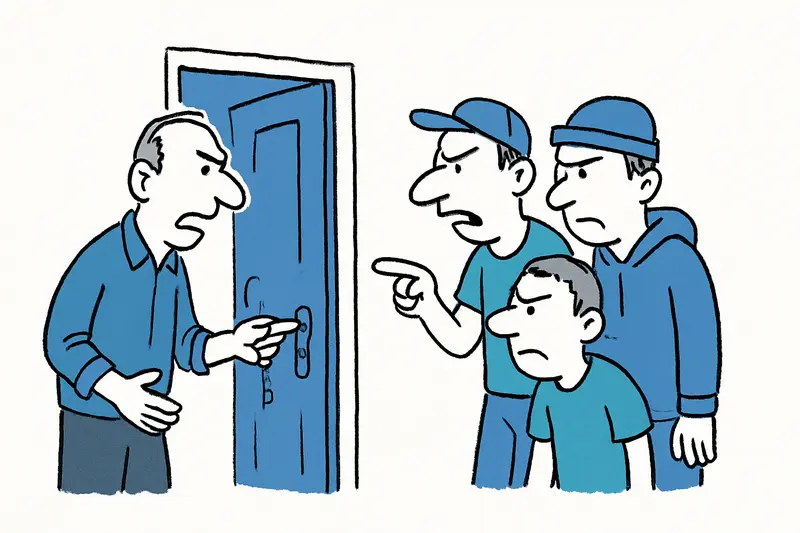
Late on Friday afternoon a property dispute in a residential street in Palma ended with the intervention of the National Police. Six young men were arrested after occupying a house that belonged to its lawful owners. The individuals claimed to have a rental agreement; the returnees presented documents proving they were the owners. The police gained access and arrested the alleged intruders for trespassing.
It sounds like a brief item from the police report, but it's a moment that changes everything in seconds: returning from holiday, hand on the key, the door won't open, voices behind the door. On Mallorca, between market stalls and scooters, the scene is familiar — except the roles were reversed here.
Critical analysis: In such cases two truths collide. For the owners there is the simple feeling that your key no longer works and strangers are in your home. For the squatters, it's often a matter of survival or legal gray areas they cite. The police act on what is visible and verifiable on the spot: identity, presented documents, the state of affairs. Still, problems remain that can't be solved with handcuffs.
What's missing in the public debate: discussion often focuses on isolated cases and outraged headlines. Two perspectives are often absent: first, pragmatic advice for owners on how to avoid a short absence turning into a legal mess; second, the question of quick civil-law routes to secure property without routine cases escalating or needlessly tying up police resources.
An everyday scene from Palma: On a Wednesday morning in Santa Catalina you hear coffee machines, motorcycle bells, street sweepers. A homeowner in his mid-fifties returns from Plaça Quartera with a travel bag, puts the key in the lock and notices the door is slightly ajar. A neighbor opens the door; you hear footsteps, young voices. The quick phone calls, the wait for the police, the looks from passersby — these are not abstract procedures, this is Mallorca, loud and near.
Concrete solutions: Owners should take basic precautions: keep up-to-date proof of ownership accessible digitally and on paper; inform neighbors about longer absences; if in doubt name a manager or trusted person to check shortly; have new locks installed after moving in. On the authority side, clearer procedures would help: a hotline or fast track for clear ownership cases, better coordination between civil courts and police, as highlighted by a major raid in Palma, and information campaigns in multiple languages so people immediately know which papers are helpful.
In addition, the social question arises: some occupations have economic causes, such as illegal subletting in Mallorca. It does not help to react purely repressively; accompanying offers — emergency shelters, social counselling, low-threshold legal information — reduce the likelihood that people in desperation move into occupied houses.
Conclusion: The arrest case in Palma shows a simple, unpleasant truth: property is not only a piece of paper, it is everyday life, neighborhood, keys and trust. When these elements wobble, more is needed than a police presence. Practical precautions by homeowners, faster civil-law mechanisms and social policy responses together form a better safety net than repression alone. For people in the streets of Palma this means less insecurity and fewer frantic afternoons standing at a locked door not knowing what happens next.
Frequently asked questions
What is the best time to visit Mallorca for warm weather and outdoor activities?
Is it safe to swim in Mallorca's beaches year-round?
What should I pack for a Mallorca trip?
What are some top outdoor activities to try in Mallorca?
Are day trips from Palma worth it?
What is Mallorca's weather like by season?
Which Mallorca beaches are best for families or calm water?
How can I get around Mallorca without a car?
Similar News
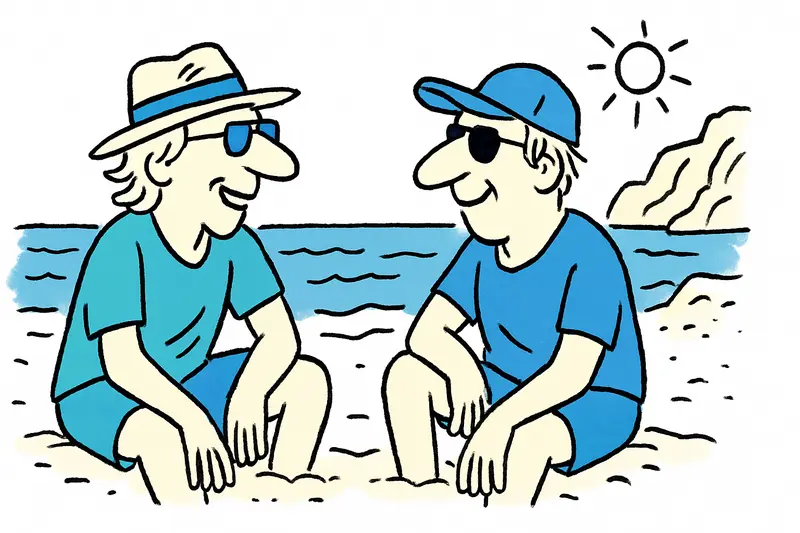
Summer greetings from the Pitiusas island: Gottschalk and Krüger enjoy the sun on Ibiza
A friendly photo of Thomas Gottschalk and Mike Krüger on Ibiza evokes memories of their shared film years and shows that...
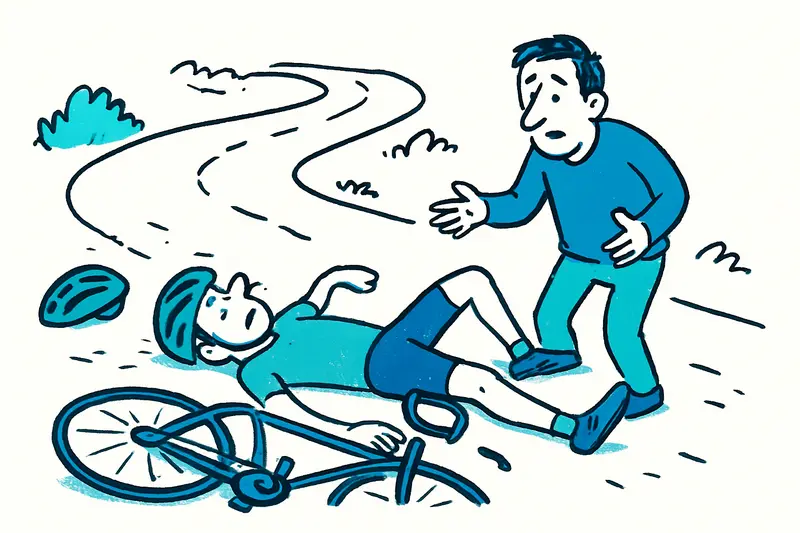
Serious fall at Port d’Andratx: Who protects cyclists on this route?
A 66-year-old German cyclist fell between Port d'Andratx and Camp de Mar, hit his head and was taken to hospital. One ac...

Four goals, heart-stopping moments, a message: Germania Mallorca takes three points in Consell — questions remain
The new German club on the island won its first away game in Consell 4:3. Celebration, a 4:0 lead, then a nervous finish...
Mueller continues expanding in Mallorca: Artà in 2026, Can Picafort in early summer 2027
The drugstore chain Mueller is opening two new stores in Mallorca: a 1,400 m² shop in Artà on 5 November 2026 and a bran...
The Painter Who Lived Mallorca: Franz Taussig and His Century-Old Secret
A hundred years ago a young Viennese arrived in El Terreno, sketched the island and called himself Francis Caron. Today ...
More to explore
Discover more interesting content

Can Cap de Bou

Townhouse Lleo 72
