
Old Prison in Palma Cleared — Who Remains Visible, Who Is Made to Disappear?
Old Prison in Palma Cleared — Who Remains Visible, Who Is Made to Disappear?
The vacant prison in Palma has been cleared; 51 people left the site. Why the eviction is more the beginning than the end of a problem — and what the city lacks so that no one disappears between concrete and bureaucracy.
Old Prison in Palma Cleared — Who Remains Visible, Who Is Made to Disappear?
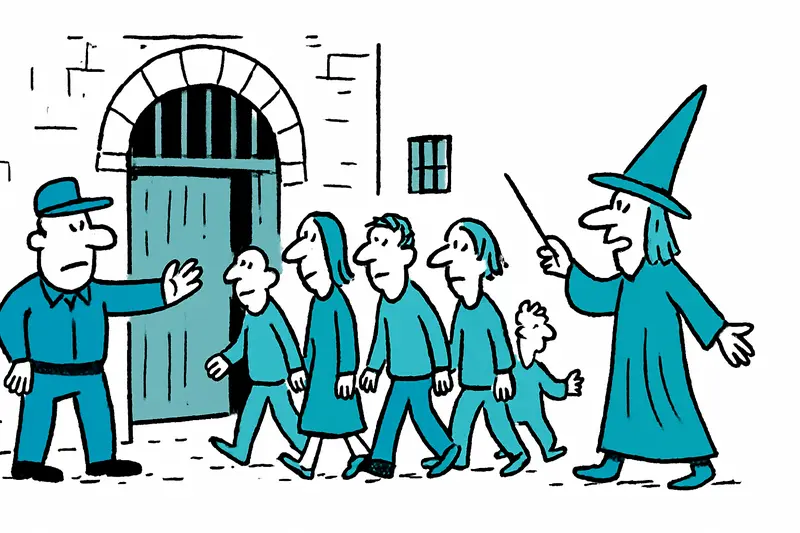
Yesterday afternoon the last people left the old prison in Palma. The city administration removed 51 residents from the site during the operation — some are now temporarily housed in living containers; the area is to be monitored around the clock and later bricked up. Mayor Jaime Martínez called the day 'important' for the city. Those are clearly established facts. The real question is different: Does closing a building solve the housing problem, or does it simply shift it to the margins?
Key question
Who guarantees that the people who left the prison yesterday will not find a new, invisible home elsewhere tomorrow? And what responsibility does the city assume beyond closing the gate?
Critical analysis
An eviction is easily told: police, order forces, cordons, press photos, as seen in Plaça Major: Shadows Behind the Menu — Arrests After Alleged Exploitation. That is the visible side. Invisible remain the questions about permanent accommodation, social support, legal status and prospects. Containers are a short-term solution; they can be useful if accompaniment, health care and integration into job or housing programs follow. If this support package is missing, the situation remains transitional — and the people remain de facto obsolete for urban planning.
What is missing in public discourse
There is too little discussion about three things: first, transparent exit plans for each individual person (not just aggregate figures). Second, binding time horizons: how long will the containers remain? Third, alternatives for neighborhoods: how should residents and businesses be protected from noticeable social tensions without criminalizing those affected? Without these points, the discussion remains superficial.
An everyday scene from Palma
In the afternoon, when delivery vans honked at the cordon and neighbors stood curiously at the fence, one could hear not only the crackle of the walkie-talkies of the forces. An older man on a bench next to the bakery at the roundabout counted names of friends who used to live in the neighborhood. A young woman pushed her pram by and whispered, 'They took the roof over their heads from them, and no one asks where they go.' Such moments show that social reality is louder than any press release.
Concrete solutions
- Immediate program for individual case plans: social workers, health services and legal advice must be available for every resident before an eviction is completed. - Transitional housing with prospects: containers should only be the bridge; binding steps to place people into permanent, affordable housing are necessary. - Initiate partnerships: city, social organizations, housing companies and neighborhood associations should examine realistic uses for the site in a transparent process — from social housing to mixed projects with care facilities. - Strengthen prevention networks: street work, low-threshold support services and placement centers prevent people from seeking refuge in vacant buildings. - Neighborhood dialogue: regular meetings create transparency and trust so that residents can follow and help shape the measures.
What the city should not do now
Bricking up and making people invisible is not a problem solver. A sealed gate can be a temporary calming measure for the cityscape — but the social consequences move on: into parks, into other abandoned houses, into the hopelessness of people who have neither work nor stable housing.
Pointed conclusion
The clearing of the old prison is a visible act of state action. Whether it really becomes an 'important day' for Palma depends on whether the city now invests in people instead of walls. If the site is only bricked up and forgotten, we have gained nothing except a cleaner facade, an outcome also discussed in Palma Cleans Up — Who Pays, What Remains?. But if the site becomes an opportunity for permanent, supported housing, then a picture of eviction turns into real progress.
Frequently asked questions
Why was the old prison in Palma cleared?
What happens to people evicted from abandoned buildings in Mallorca?
Are container homes in Palma a long-term solution?
What should Palma do after clearing the old prison site?
What does the clearing of the old prison mean for Palma residents?
Can evictions in Mallorca push vulnerable people into other abandoned buildings?
What kind of housing solutions does Palma need for people leaving the old prison?
Why is neighborhood dialogue important after an eviction in Palma?
Similar News
More water than last year: Mallorca's reservoirs breathe easier
September rain refilled the Tramuntana's reserves: overall fill around 35 percent, Cúber at 40.42 percent, Gorg Blau at ...
Three Luxury Hotels in Banyalbufar: Lots of Money, Many Questions
A Danish investor plans three exclusive accommodations in Banyalbufar — including the historic Son Valentí. The announce...
2.1 tonnes of cocaine on sailing yacht off Spain's coast – a reality check for the coastguard
A 14-metre yacht was seized with 2.1 tonnes of cocaine. Who monitors the ports, how does the international hunt succeed ...

Heat Bonus in Mallorca: 100 Euros Extra for Outdoor Staff at MarSenses
MarSenses pays employees who worked outdoors in August an extra €100 as recognition. Lighter uniforms, reduced hours for...
Renovating in Mallorca: What You Really Can Do Without Neighbour Consent
Many think they can do whatever they want in their apartment. That's partly true — but only as long as structural elemen...
More to explore
Discover more interesting content

Can Cap de Bou

Townhouse Lleo 72
