
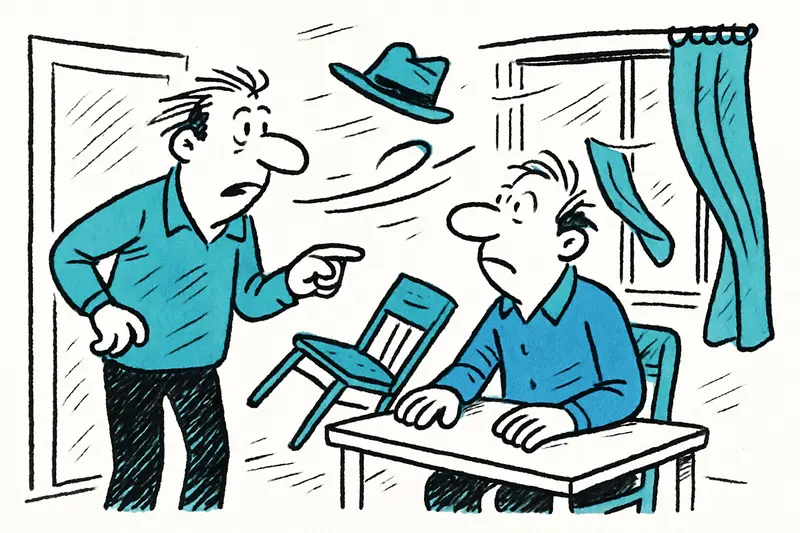
Warning Level Orange: Storm 'Pedro' Approaching – Are We Prepared?
Warning Level Orange: Storm 'Pedro' Approaching – Are We Prepared?
Aemet has issued an expanded warning for Thursday: Mallorca faces gusts around 80 km/h and coastal waves of three to four meters. A reality check for authorities, ports and residents.
Warning Level Orange: Storm 'Pedro' Approaching – Are We Prepared?
Key question: Are Mallorca's precautions sufficient if a northwest storm with gusts around 80 km/h sweeps across the island on Thursday?
Aemet has tightened the warning situation for the Balearic Islands: for large parts of Mallorca an extended storm warning applies on Thursday, and the central areas of the island have been placed under an Orange Alert in Mallorca: What the AEMET Warning Means for the Island, Roads and Tourism. Stormy northwest gusts with peaks of just under 80 km/h are expected, along with significant wave heights of three to four meters on the coasts. Time frame: from early morning into the night, after which conditions should calm down. By Friday the warnings are forecast to be lifted — that is the schedule, not a guarantee.
Critical analysis
Wind warnings may sound abstract, but for port operators, construction companies and neighbors with roof terraces they are stark reality. Gusts around 80 km/h can blow loose items off walls, endanger scaffolding and uproot trees, especially where the ground has been softened by recent rains. The combination of strong northwest winds and high waves affects promenades, mooring fields and small yacht bays. The forecast also indicates a noticeable temperature drop from the springlike 20–22 °C in recent days to around 16–18 °C in the affected areas — this changes perceived comfort but does not increase the danger compared to the wind itself.
What is often missing in public discourse
The warning message alone is not enough. It is often overlooked that: 1) temporary port and beach closures, as highlighted in Orange Alert: Torrential Rains — Is Mallorca Prepared?, must be communicated clearly so walkers do not end up in dangerous surf zones; 2) construction sites without proper securing are a hidden hazard in the city — scaffolding, tarps and loose building materials; 3) tourist information: many visitors do not understand which local notices apply and do not check storm warnings in Mallorca daily. There is sometimes a lack of direct, localized communication via town hall social media accounts or announcements in ports and marinas.
An everyday scene from Palma
On the Passeig Mallorca I already hear the rustle of plastic covers at street cafés. Suppliers are securing chairs, awnings in La Lonja are being rolled up. On the Portopí waterfront anglers stand in weatherproof jackets, eyes on the surf. These are the images that show: the island lives with wind-prone routines, but under an orange alert people stay away out of caution, not habit.
Concrete measures for the next 48 hours
Individual: Secure balcony furniture, plant pots and bins; avoid parking under large trees; store ladders and building materials safely; avoid coastal areas and promenades during the strongest gusts. For boat owners: prepare fenders, check lines, stay in the harbor if uncertain or seek professional advice. For landlords and hosts: clearly inform guests where to find current AEMET guidance and local notices about the orange alert.
Public measures that help quickly: order temporary closures of exposed beach sections and promenades; inspect ports and marinas with the port authority to identify risk zones; conduct construction site checks and secure loose fences and tarps; energy and transport companies should be ready to respond quickly to outages. Communication is central: send targeted, location-based warnings via town hall accounts and port info channels — short, repeated notices reach more people than long press releases.
Practical checklist for households
1. Secure balconies and terraces. 2. Bring plants and pots indoors. 3. Move or fasten bins. 4. Store loose items in basements or garages. 5. Check weather apps or Aemet updates regularly.
Conclusion — pointed
Pedro is not a once-in-a-century storm, but it is a wake-up call: warning levels mean action, not just observation. If you do three to four simple things now, you will significantly reduce the risk of property damage and accidents. Authorities should do the same: be visible, local and practical — so that on Friday Mallorca not only sees the sun return, but also the sense of being well prepared.
Source: Aemet Balearic preliminary information: extended warnings for coasts and wind; local observations from Palma and surrounding areas.
Frequently asked questions
What does an orange storm warning mean for Mallorca?
How strong can the wind get during a storm in Mallorca?
Is it safe to walk along the coast in Mallorca during rough seas?
What should I secure at home before a storm in Mallorca?
What should boat owners in Mallorca do during strong wind warnings?
Will temperatures drop in Mallorca during the storm?
What is happening in Palma when a storm warning is issued?
When should I expect the storm warning in Mallorca to end?
Similar News

When the Wallet Becomes a Danger: Attack in Peguera and Lessons for Mallorca
In Peguera, two women are said to have stolen the wallet from a 75-year-old German couple. When the victim intervened, t...
Plata stays Plata: Young people take over, Llonguets remain
A small bar on Carrer de l'Argenteria will continue: Tolo Serra hands the place over to young Mallorcans at the end of t...
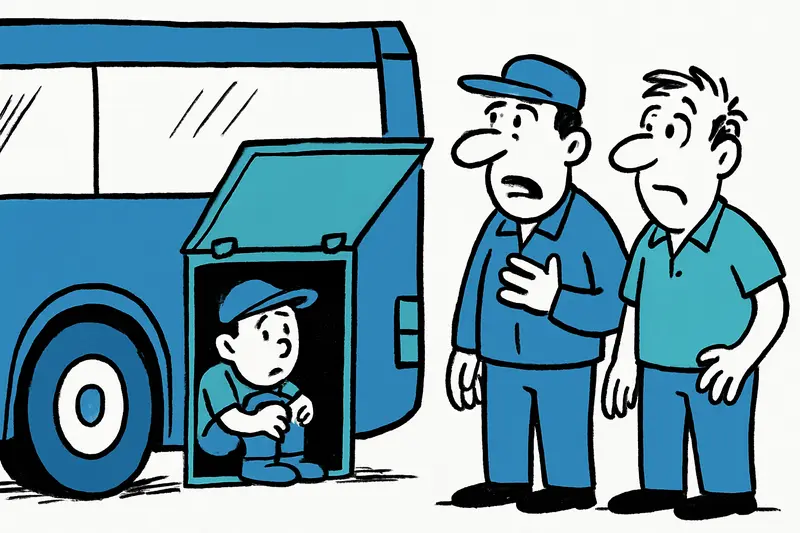
Unnoticed in the Luggage Compartment: How a Boy Traveled More Than 100 Kilometers in a Team Bus
A minor traveled in the undercarriage of a team bus for more than 100 kilometers until his cries for help were heard. A ...

Cap Vermell Grand: Second Michelin Key – a Gift for the East
The Cap Vermell Grand in Capdepera has been awarded its second Michelin key. For the region this elevates the luxury off...
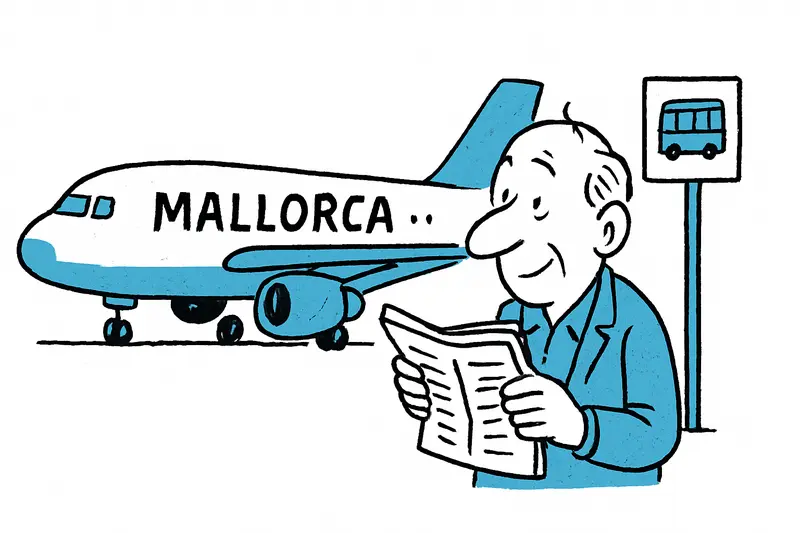
Eurowings lets four aircraft carry names – a friendly idea that also reaches Mallorca
Eurowings is launching a campaign: four Airbus A320s are to carry the first names of people who help others in everyday ...
More to explore
Discover more interesting content

Can Cap de Bou

Townhouse Lleo 72
