
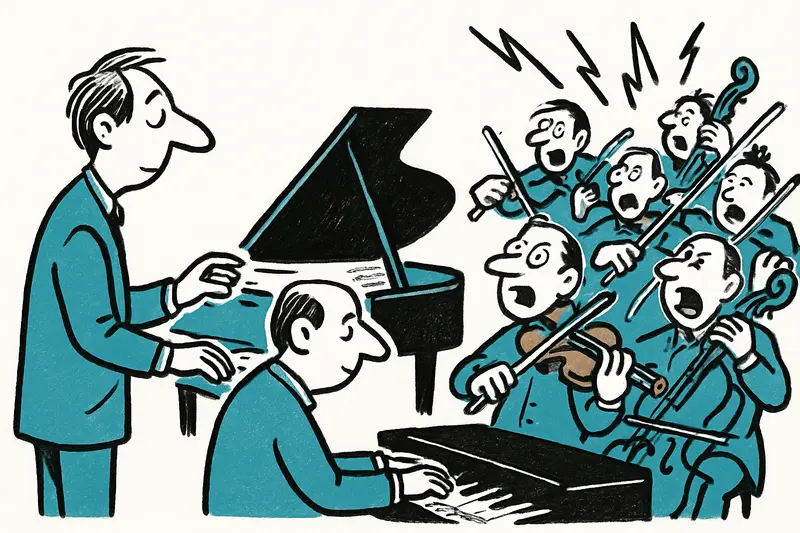
Brilliant Season Opening: OSIB Between Intimacy and Storm – an Evening That Resonates
The OSIB opened the season with Turina, de Falla, Debussy and Strauss — an evening that ranged from a whisper to a roar and felt like a small cultural spring in Palma.
An evening that began quietly and ended powerfully
Yesterday at 8:00 PM the Auditori noticeably filled; the rows closed like a well-tuned instrument. In front of me sat a mixture of regular listeners, curious students and a few tourists who had evidently checked the Guía de conciertos: inicio de la temporada impresionista con un toque posromántico. The air smelled of late spring — a mild breeze brushed across the Plaça, somewhere a tram bell was still ringing — and the expectation was audible: eager, but without haste.
Turina: a small, inner prayer
The opening with Joaquín Turina's La oración del torero was surprisingly intimate. No fanfare, no triumphant cry, but a gathering. The strings drew lines as if holding a confidential conversation behind heavy curtains. You could almost count the musicians' breaths: restrained, warm, with an almost speaking vibrato. In moments like these it becomes clear how much an orchestra can tell quiet stories — one could have heard a pin drop, as noted in Deslumbrante inicio de temporada del OSIB: de Turina a Strauss, una noche que perdura.
De Falla and Cabassi: piano as a colorist
Davide Cabassi took the solo parts in Manuel de Falla's Noches en los jardines de España. Anyone expecting a Spanish fireworks display was pleasantly surprised: instead, Cabassi relied on fine tonal colors and an almost painterly restraint. His playing fit into the orchestra like a brushstroke in a larger picture. Percussive details in the cymbals, delicate woodwinds, shimmering harmonies — the piano was not a spotlighted soloist but part of a Mediterranean mosaic. This choice gave the piece atmosphere rather than mere virtuosity.
Debussy: a dream in flute tones
In the Prélude à l’après-midi d’un faune the flute was the breath of the evening: a half-sleeping beginning that threaded its magic through the orchestra and then faded away. Harp and woodwinds painted diffuse images of light and shadow — not a big clean-up, but rather a sunk-in diary. Some in the hall sighed softly, others held their breath; in such moments an audience shares something private. The music remained meditative, without demanding a dramatic resolution.
Strauss’ Don Juan: full force to finish
Then Richard Strauss: Don Juan challenged the OSIB in a very different way. The basses pushed forward, horns called, percussion and string power broke through — a fulminant finale that showed this orchestra can do both: whisper and thunder. Conductor Pablo Mielgo relied on clear structures instead of a wild emotional display; it felt focused, with a steady pulse. The applause afterward was long, some audience members rose to their feet and clapped, others laughed, exhausted with joy.
Why this evening matters for Palma
Evenings like this do the city good. They remind us that culture here is not a foreign concept but part of everyday life: students, neighbors, and holidaymakers meet in the dark foyer and talk about flute passages and book recommendations. The announced repeat performance in Manacor gives the program a second chance to reach more people — a welcome gesture at a time when cultural venues vie for attention.
I left the Auditori late; the streetlights cast long shadows across the Plaça, and two students were still passionately discussing that very flute passage by the exit — this is how the small, lively afterglow of a concert is born. The next day someone might find themselves thinking again about a particular phrase, a small vibrato, or the dull rumble of the basses. And that is the beautiful thing: an evening that lingers means more than another checkmark in the event calendar. It is a tiny cultural spring that can be felt in Palma.
Frequently asked questions
What kind of concert did the OSIB season opening in Palma offer?
Was the OSIB concert in Mallorca more intimate or dramatic?
What was the atmosphere like at the Auditori in Palma for this concert?
Is it worth going to a classical concert in Palma if you do not usually listen to orchestral music?
What role did the piano play in Manuel de Falla’s Noches en los jardines de España?
Why is Debussy’s Prélude à l’après-midi d’un faune so effective live in Mallorca?
Why did the OSIB concert in Palma end with such strong applause?
Will the OSIB season opening programme be performed again in Mallorca?
Similar News
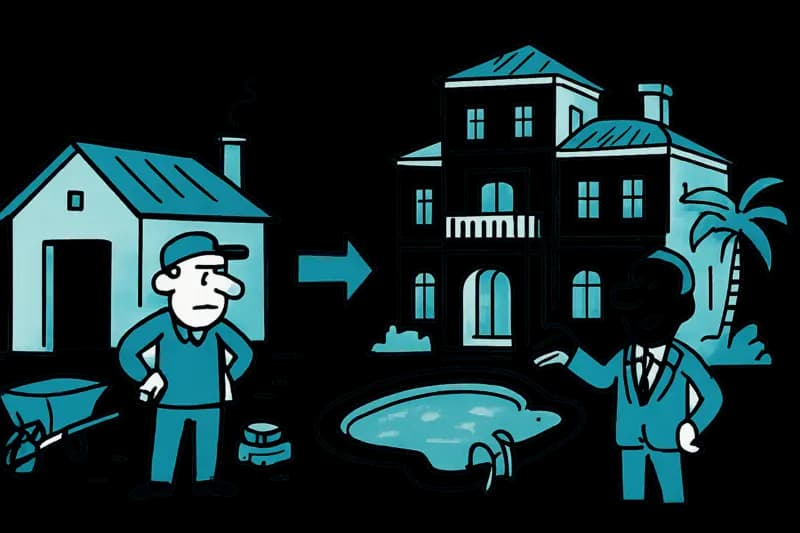
From Workshop to Luxury Villa: What a €19.5 Million House Reveals About Palma's Market
A historic town house on Carrer de la Pelleteria was converted into a 1,000-sq m residence and is on the market for €19....
FC Germania Mallorca: Why does the lead always slip away in stoppage time?
After the 1-2 at C.A. Pal ne da Tesa questions arise: are these coincidences, a shortage of personnel, or a deeper probl...
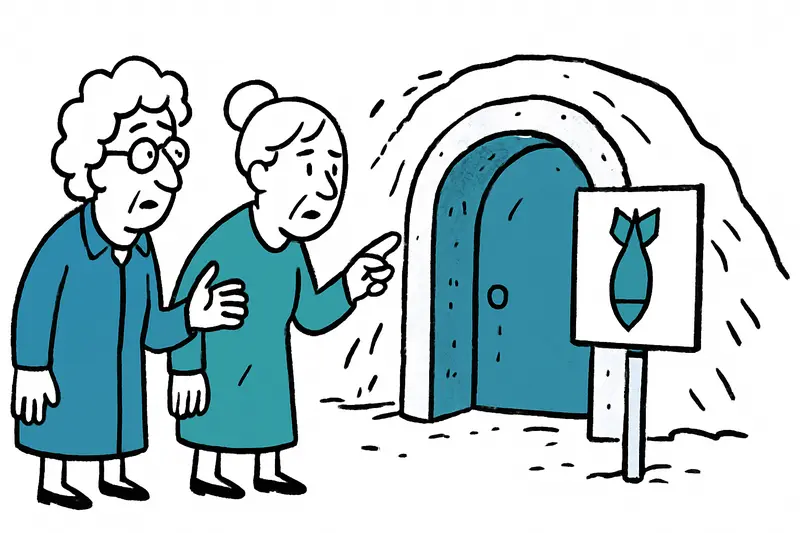
Hidden War Bunkers in Palma: Remember, Preserve, Reveal?
Beneath Palma's paving lie remnants of a forgotten shelter system from the Civil War. Consolidation, ethics and tourism ...

Death in the Gorge: Key Questions on the Safety of Rallies on the Ma-10
A Porsche plunged into a ravine during the 550 Challenge near Mortitx. Who bears responsibility, what safety gaps were r...

Eighth BAF surge: Why freight costs in Mallorca are rising now — and what it means for us
Fuel surcharges (BAF) for ferries between the mainland and the Balearic Islands rose by around eight percent in October....
More to explore
Discover more interesting content

Can Cap de Bou

Townhouse Lleo 72
