
More Taxis, Less Waiting: Palma Takes On 117 New Drivers
More Taxis, Less Waiting: Palma Takes On 117 New Drivers
In February, 267 applicants took the municipal taxi license exam — 117 passed. For Palma this means more drivers, better coverage and new opportunities in city transport.
More Taxis, Less Waiting: Palma Takes On 117 New Drivers
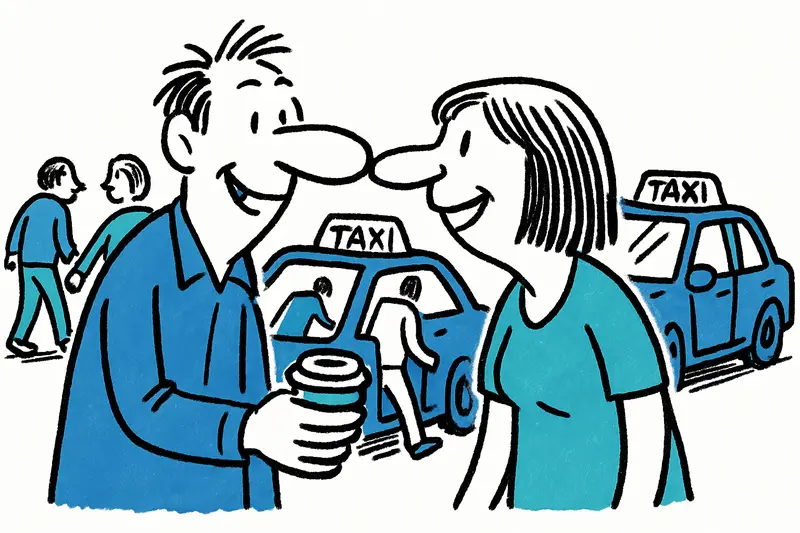
At the end of a noisy morning at Plaça d'Espanya, that's what you notice most clearly: a few more taxis in the queue, a driver grinning as he nudges his colleague because she just scored a café with extra milk foam, and passersby who can get in sooner. In February, 267 people took the municipal taxi license exam; 117 passed and are now authorized to drive in Palma.
What the Numbers Mean
The exam is divided into two parts. First it covers Palma's road network, regulations, fares and landmarks; in the second section candidates work on city route plans. A minimum of 50 points is required to pass. After successful completion, personal documents such as a driver's license and a medical certificate must still be presented before the license is issued. Official results are available via the city's MobiPalma platform. The tests take place twice a year, in February and November.
Since the start of the current legislative term, roughly 600 drivers have been admitted into the system. This is not an abstract number: it shows up in busier taxi ranks in Palma's center, in shorter queues after concerts, and in fewer people having to wait a long time for a vehicle when the bus is late. This effect is part of wider debates such as Unified Taxi Tariff in North and Central Mallorca — Relief for Passengers or a New Problem for Drivers?.
Why This Is Good for Mallorca
More drivers not only mean more rides — they also bring stability for residents. Especially in suburban neighborhoods or late at night, shorter waiting times can help make daily life and nightlife safer. For the tourist season this means less stress for arrivals at the airport, more reliable connections to hotels and fincas, and less congestion when tourist flows are better distributed, and cross-municipal experiments like Shared taxi service: 13 Mallorcan municipalities take the step across borders can help spread demand. There is also a clear employment effect: those who pass the exam gain a tangible income opportunity on the island.
Everyday Observations from Palma
Anyone strolling through the old town not only hears tourists and the clatter of coffee service — they also hear the familiar beeps of taxi-hailing apps (see How to Arrange a Taxi in Palma: Practical Tips for Stress-Free Rides) and see drivers preparing for the next shift. In the early morning hours, when the market at Plaça de l'Olivar quiets down, some drivers are still sitting with a café con leche and looking at their smartphones, ready for the first shift. These small scenes tell of an industry that is slowly reorganizing itself.
A Look Ahead: Small Steps, Big Impact
The intake of 117 new drivers is not the end of the work but a good beginning. Supporting measures can help: flexible shift planning, stronger integration with digital booking services, subsidized courses for Catalan language skills, and incentives for using low-emission vehicles, as proposed in New Taxi Rules in Mallorca: Caps, Ramps and the App — Will the Plan Match the Island's Rhythm?. Such steps would shorten waiting times, raise service quality and make Palma more sustainable — without changing the familiar ticking of the taximeters.
When on a warm afternoon the sun gleams over Passeig Mallorca and the taxi signs blink in line, there's more behind it than a statistic: these are new jobs, faster connections and a piece of everyday life that becomes a little easier for many residents of Palma. And who knows — maybe soon there will even be one more driver who shares his breakfast before setting off again.
Note: Taxi license exams are held regularly; the next dates are listed in the city's examination calendar.
Frequently asked questions
When are the taxi licence exams held in Palma, Mallorca?
What do you need to get a taxi licence in Palma, Mallorca?
How hard is the taxi exam in Palma?
Will more taxis in Palma mean shorter waiting times?
Can you use a taxi easily at Palma airport and for hotel transfers?
What does the new taxi driver intake mean for people living in Palma?
Where do taxi queues usually get longer in central Palma?
How can new taxi drivers in Mallorca affect nightlife and safety?
Similar News

More water than last year: Mallorca's reservoirs breathe easier
September rain refilled the Tramuntana's reserves: overall fill around 35 percent, Cúber at 40.42 percent, Gorg Blau at ...
Three Luxury Hotels in Banyalbufar: Lots of Money, Many Questions
A Danish investor plans three exclusive accommodations in Banyalbufar — including the historic Son Valentí. The announce...
2.1 tonnes of cocaine on sailing yacht off Spain's coast – a reality check for the coastguard
A 14-metre yacht was seized with 2.1 tonnes of cocaine. Who monitors the ports, how does the international hunt succeed ...

Heat Bonus in Mallorca: 100 Euros Extra for Outdoor Staff at MarSenses
MarSenses pays employees who worked outdoors in August an extra €100 as recognition. Lighter uniforms, reduced hours for...

Renovating in Mallorca: What You Really Can Do Without Neighbour Consent
Many think they can do whatever they want in their apartment. That's partly true — but only as long as structural elemen...
More to explore
Discover more interesting content

Can Cap de Bou

Townhouse Lleo 72
