
Palma plans accessible bathing area in Cala Estància – good start, many questions
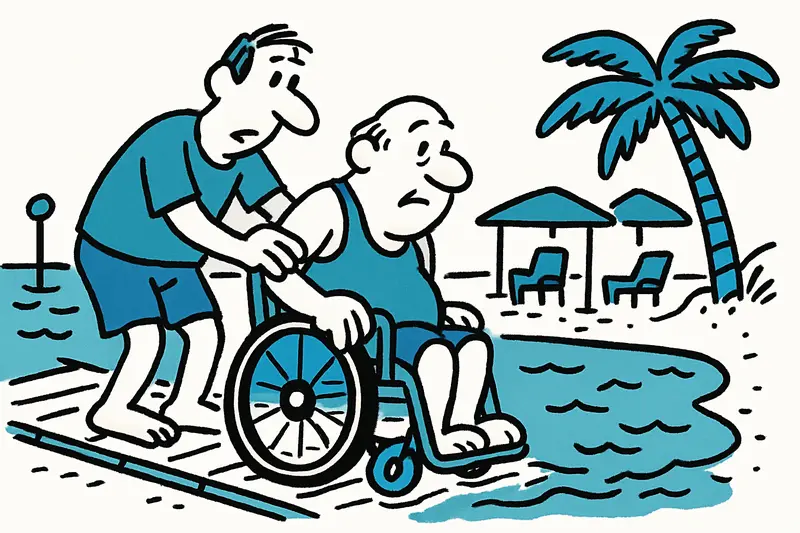
The city of Palma plans to create an accessible bathing area in Cala Estància: walkways, buoys and covered seats in the water are planned. A good idea — but who will be responsible for long-term maintenance, safety and access?
A beach intended to be truly open to everyone — but who will ensure it?
On a windless morning along Palma's seafront promenade, with the clatter of seagulls in the air and the gentle lapping of waves against the breakwater, the announcement quickly spread: Cala Estància is to receive an accessible bathing area next year. Palma planea la primera zona de baño accesible en Cala Estància
The key question
The most important question is not whether the idea is nice — it is — but whether Palma will turn the pilot project into genuine participation UN Convention on the Rights of Persons with Disabilities: Who guarantees that the area will be maintained, kept safe and remain actually usable in the long term?
Why Cala Estància makes sense
Cala Estància is located on the east side of Palma and benefits from an existing breakwater. The sea is often calmer here and access from the promenade is relatively shallow. For people who want to avoid strong currents or high waves this is ideal. Wheelchair users, people with walking aids and caregivers who need to assist with bathing will gain significantly in safety and comfort.
What is planned — pragmatic rather than grandiose
The plans appear down-to-earth: sturdy railings and walkways, a clearly delineated area marked by buoys and a small group of covered seats in the shallow water. Not an expensive showpiece, but everyday infrastructure. That is appealing — small interventions can have a large impact.
Points that are often neglected in public discussion
But when you take a step back, questions emerge that decide whether the project becomes a lasting offer or a well-intentioned attempt that falls into neglect after two years: Who pays for maintenance? Who provides the lifeguards? How will vandalism be prevented? Are accessible connections to nearby bus lines or parking spaces planned? And: is there an accessible toilet and changing room in the immediate vicinity? Nueva zona de baño accesible en Cala Estància: piloto con preguntas abiertas
Practical risks and possible solutions
Technical and logistical problems can be solved if responsibilities are clear. Suggestions:
1. Clear responsibilities: A binding agreement between the city, the beach administration and local cooperatives on maintenance, cleaning and inspection.
2. Rescue service and hours: Lifeguards should not appear only as a weekend trial. A core time (e.g. 10 a.m.–6 p.m.) during the bathing season must be guaranteed, including training for special rescue situations. Salvamento Marítimo
3. Protection against vandalism: Robust materials, regular inspections and simple repair cycles reduce damage. Local volunteer teams or neighborhood initiatives could be included as supplementary "beach patrols."
4. Accessible overall route: Mobility does not end at the railing. Bus connections, level paths, lowered curbs, tactile guidance systems and accessible toilets belong to the package. Fundación ONCE on accessible beaches
5. Involvement of users: User tests during the design phase and a simple digital feedback tool during the season help correct planning mistakes quickly.
Financing and pilot character
The city speaks of a manageable budget and a pilot character: work is to begin in spring so the area can be used in summer. That is ambitious — and right, because speed builds trust. However, long-term items should be considered in the budget planning: annual maintenance, personnel, replacement parts for walkways and buoys, and cleaning costs.
Measurable success criteria
To turn the pilot into a lasting effective measure, I suggest concrete KPIs: user numbers, incident statistics, satisfaction surveys and maintenance intervals. After one season the results should be evaluated publicly so it becomes clear whether Cala Estància can serve as a model for other beaches in Palma.
My impression — realistically optimistic
As someone who often walks along the promenade and knows the sound of the sea, I find the plan appealing and necessary. Implementation must not fail because of administrative gaps. Small, well-thought-out investments and clear responsibilities could make Cala Estància a real example of an inclusive beach. If the city now invests in maintenance, staff and user participation, there is little to prevent lasting success.
What matters now: binding responsibilities, reliable lifeguard hours, accessible accompanying infrastructure and a transparent review process after the first season. Then a good idea will become a real gain for Palma — and that would be a quiet, very practical step toward greater participation.
Frequently asked questions
Is Cala Estància in Palma a good beach for people with reduced mobility?
What will the new accessible bathing area in Cala Estància include?
When could Cala Estància in Palma be ready for use?
Will Cala Estància have lifeguards for the accessible bathing area?
How can Mallorca make a beach accessible beyond just the water’s edge?
Why was Cala Estància chosen for an accessible bathing area in Palma?
What problems could affect the Cala Estància accessible beach project?
Will Palma evaluate the accessible bathing area in Cala Estància after the first season?
Similar News

After Being Admitted to Hospital Again: Heinz Hoenig and the Questions We Should Ask in Mallorca
Long-time Mallorca resident Heinz Hoenig was admitted to hospital again. A clear “what next?” is missing from the covera...
Yellow Alert: Is Mallorca Prepared for the Next Rain Band?
Aemet has issued a yellow alert for the south, southwest and the island's interior. Thunderstorms and heavy rain are for...
Kegel brothers trial postponed: Why Mallorca must wait for a verdict
The trial of 13 German holidaymakers will not begin until May 2028. The long wait raises questions — for victims, defend...

Chaos on Palma's Runway: Why the Summer at the Airport Was So Disrupted
This summer laid bare where Palma airport is faltering: only just over half of departures were on time and seven percent...

Cocaine Offer on Ham Street: Why the Open Trade Should Ring Alarm Bells
In the middle of Pare Bartomeu Salvà a tourist was offered a packet of cocaine as part of a sunglasses deal. A short int...
More to explore
Discover more interesting content

Can Cap de Bou

Townhouse Lleo 72
