
Palma cancels Sant Sebastià celebrations – gesture of solidarity or too hasty a decision?
Palma cancels Sant Sebastià celebrations – gesture of solidarity or too hasty a decision?
After the serious train accident in Córdoba, Palma has canceled all official Sant Sebastià events. A serious, correct reaction — but what remains unsaid? A reality-check from the streets of the city.
Palma cancels Sant Sebastià celebrations – gesture of solidarity or too hasty a decision?
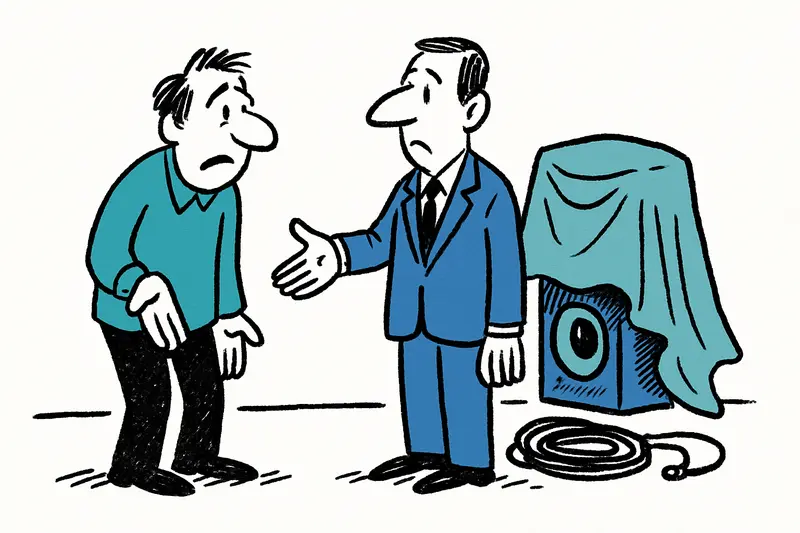
On Monday the narrow alley next to the Plaça Major looked unusually empty: coiled cables, covered speakers, the wooden platforms where drummers and singers usually perform – everything in standby. The city administration's decision to cancel all official Sant Sebastià festivities is a clear gesture in the wake of the devastating train accident in the province of Córdoba. The question that now needs to be asked: Is symbolism enough on its own, or should Palma use the silence to address deeper questions?
1. Key question
What is a city's responsibility when mourning becomes nationwide: representative expressions of sympathy or an honest engagement with systemic causes?
2. Critical analysis
The cancellation of all public concerts and celebrations in squares such as the Plaça de Cort, Plaza de Espanya and Plaza de Joan Carles I is a clear, immediately visible response. Flags will be flown at half-mast until January 23, and political representatives are refraining from taking part in religious ceremonies. That is important – the public body shows it is affected. At the same time, the gesture remains predominantly symbolic. It comforts the bereaved, but it is no substitute for clear answers about the cause of the accident and for concrete measures to prevent future tragedies. Similar debates about festival planning and mobility were covered in Patronal Festival in Palma: Celebrations — but how can residents and mobility stay in sync?.
3. What is missing from the public debate
In the conversations between cafés on the Passeig Mallorca and the municipal bodies you can hear two layers: empathy and a demand for technical clarity. So far there is no precise roadmap for how investigations will be accompanied, how results will be communicated and how lessons will be drawn. Who will ensure that safety shortcomings don't get bogged down in bureaucratic reviews? What role will operators, infrastructure managers and supervisory authorities play in the future? These questions are hardly part of the current expressions of mourning. Similar tensions in balancing public reaction and everyday life were evident in reporting on demonstrations, for example in Palma after the Protest: How Freedom of Expression and Everyday Life Can Be Balanced.
4. Everyday scene from Palma
In the late afternoon suppliers walk along the Calle Sant Miquel, an ice-cream vendor packs away his cooler despite the cooling weather, and an elderly woman pauses for a moment to look at the flags flying half-lowered at the Ajuntament. The silence does not feel theatrical but reflective; residents exchange looks and speak quietly about the news from Andalusia. This is how mourning becomes concrete on the island: not only in the town hall, but in small, inconspicuous moments between market stalls and doorways.
5. Concrete approaches to solutions
Palma can and should go beyond a mere demonstration of compassion. Proposals that should be tackled now:
A. The city administration could organize a public information event where experts from the transport and safety sectors explain known facts and open questions – transparently for everyone.
B. Palma can formally show solidarity by facilitating concrete support offers: coordinating with aid organizations, setting up collection points for donations or providing phone numbers for psychological support so affected families can gain quick access; logistical questions of this kind arose during debates about the Postponed Christmas Market in Palma: Compromise or Prelude to Long-Standing Conflicts?.
C. At the municipal level a review mode can be developed: intensified inspections of critical infrastructures (also outside the city), exchanges with Balearic representatives at the regional level about emergency plans and evacuation strategies.
D. In the long term: the city should develop a publicly accessible guideline on when cultural events are to be canceled and which follow-up measures (investigations, financial aid, memorial formats) should be linked to that decision. This would make expressions of sympathy plannable rather than purely reactive.
6. Why this debate matters for Mallorca
Palma is not only the capital but a stage: decisions made here send signals to the island's communities. If municipal solidarity in future is combined with transparent processes, it will increase trust in the authorities – and that is a valuable asset when dealing with cases of grief and crises.
7. Sharp conclusion
Calling off the Sant Sebastià celebrations is an understandable and humane step. But compassion alone does not fill the unanswered questions. If Palma now uses the silence to push for clarification, assistance and political consequences, the cancellation would be more than a symbolic moment: it could be the beginning of real improvements born from a tragedy.
Frequently asked questions
Why did Palma cancel the Sant Sebastià celebrations?
What happens in Palma when public festivals are cancelled for mourning?
Are cancellations like this enough, or should Palma do more after a tragedy?
What kind of support could Palma offer after a tragedy like the Córdoba train accident?
Why is the Sant Sebastià cancellation important for Mallorca, not just Palma?
What does half-mast flag flying mean in Palma after a tragedy?
How does the Plaça Major area change when Sant Sebastià celebrations are cancelled?
What should residents expect in Palma when official celebrations are cancelled?
Similar News
Released with Conditions: The Plus Ultra Suspicion and a Mallorcan Finca as Residence
A Dutch entrepreneur, sought in connection with the Plus Ultra case, was extradited to Spain after his arrest in Germany...
Haute Nuit in Puerto Portals: Fashion, Art and Indulgence by the Water
On October 2 the Lobster Club in Puerto Portals will be transformed into a stage for curated fashion, art and culinary e...
Magaluf: Watchtower Alarm – Lifeguards Pull Unconscious Beachgoer from the Water
After a drama in the late afternoon, two lifeguards at Magaluf beach rescued an unconscious 44-year-old man. He was stab...
Turquoise in the City: How dangerous is the color play of the Sa Riera?
The Sa Riera in Palma suddenly turned turquoise — a pretty motif, but behind the effect lies a discharge of saline waste...

Jeckliner at Sunnesching: Cologne spirit sets sail from Palma
In September 2027 the Mein Schiff 2 briefly becomes a floating carnival stage: four days with Cologne bands, comedy and ...
More to explore
Discover more interesting content

Can Cap de Bou

Townhouse Lleo 72
