
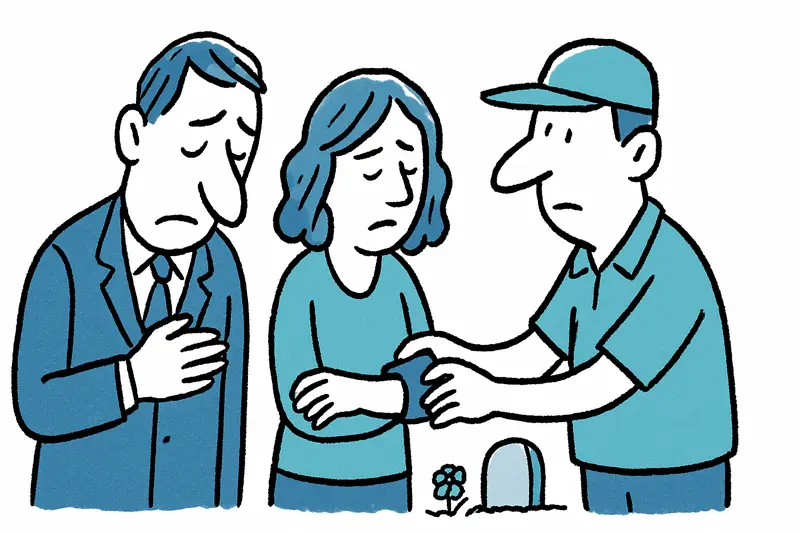
Silence instead of fiestas: Palma cancels official Sant Sebastián celebrations
Silence instead of fiestas: Palma cancels official Sant Sebastián celebrations
Because of the three-day state mourning following the serious train accident in Andalusia, Palma has canceled all official concerts and bonfires for Sant Sebastián. What does this mean for the city, organizers and neighbourhoods?
Silence instead of drums: Why Palma stopped the official Sant Sebastián celebrations
Key question: Was the decision to cancel all official concerts and bonfires for Sant Sebastián an appropriate expression of solidarity — or did the city insufficiently consider the significant consequences for local organisers and neighbourhoods?
On the morning of January third the island was unusually quiet: rain drummed on the wet cobblestones around the Plaça de Cort, the cafés on Calle Sindicat were half-empty, and only individual groups in rain capes passed along the Passeig del Born. Instead of music, fire and crowds there were deserted stages and cold grills, where in other years Patronal festival in Palma: Streets closed — what does this mean for residents and visitors?
In response to the serious train accident in Andalusia, in which at least 41 people lost their lives, the city of Palma had cancelled all official events for the holiday, including occasions that in normal years require wide-area closures around the Seu during the patronal feast. Concerts and the traditional foguerons were absent from the official programmes; the Cycling Day (Diada Ciclista) planned for that day was also cancelled due to the three-day state mourning.
The cancellation was formally reasonable: state mourning is a clear signal, and public authorities have a duty to respect collective remembrance. Nevertheless, the implementation feels clumsy on closer inspection. In side streets neighbours spontaneously organised small grills, but the atmosphere was subdued everywhere. Those who wanted a break from the noise of the usual celebrations were not disappointed — but many who make a living from such festivities were hit directly in their wallets: musicians, production companies, caterers and small vendors were left without income.
Critical analysis: The city reacted quickly, but planning and communication fell short of what was needed. Organisers received last-minute cancellations, often without clear information on support options or alternative dates. That creates uncertainty: Are insurance policies applicable? Who covers cancellation costs for stage providers? And how will seasonal workers and freelance artists be paid, who depend on such days? These questions barely appear in public debate because the focus is understandably on mourning the victims.
What is missing from the public discourse is the perspective of those existentially affected by the cancellations. Many people in Palma earn their living from small businesses surrounding local festivals: food trucks, stalls selling traditional dishes, small fairground rides in outlying towns and freelance artists. These events often involve road and transport arrangements, as described in Evening in Palma: Special Trains, Road Closures and a Relaxed Arrival to the Patronal Festival. It also remains unclear how the city intends to deal with the tension between showing respect during periods of mourning and preserving cultural identity in the long term. Practically speaking, transparent information on financial aid, application deadlines and contact persons is often lacking.
A daily scene that remains: On the corner of Carrer de Sant Miquel the usual food stalls still smell of smoked bacon, but the server stands with folded hands. From Café La Lonja no laughter comes, only the clinking of cups. Those who once raised a glass for the festival now stay home and watch the news. It is an intimate image — the island is showing solidarity, but the everyday lives of those who depend on the festivities are suddenly threatened.
Concrete solutions that are now needed:
1. Short-term hardship funds: A transparently managed city fund for self-employed people and small businesses that can prove they lost income due to cancelled festivities. Applications digital, payouts within a few days.
2. Clear communication: A central contact person at the city administration, a hotline and a consolidated online page with information on insurance issues, replacement dates and contacts for artists and production companies.
3. Alternative formats with respect: Instead of complete silence, small registered memorial events with limited attendance and volunteer-run programmes could preserve the mourning character while at least partially supporting the local economy.
4. Long-term emergency plans: A guideline for handling holidays during periods of national mourning that regulates the rights and obligations of organisers, municipal bodies and insurers.
Conclusion: The cancellation was understandable on a human level and politically justifiable. But solidarity must not become a silent blow to an entire sector. Palma showed the right attitude; now the city must ensure that this attitude does not lead to economic injustice. A climate of mourning combined with practical assistance would serve people here better than silence alone.
Note: The city of Palma cancelled all official concerts and bonfires; the Cycling Day did not take place. The measure is part of the three-day state mourning after the train accident in Andalusia, in which at least 41 people died.
Frequently asked questions
Why did Palma cancel the official Sant Sebastià celebrations?
Are there still any Sant Sebastià events in Palma when the official programme is cancelled?
How does the Sant Sebastià cancellation affect local businesses in Palma?
What should organisers in Mallorca do after a festival cancellation?
Was the Diada Ciclista in Palma also cancelled?
What is the weather like in Palma during Sant Sebastià in January?
Is Sant Sebastià a good time to visit Palma if you want nightlife and street festivals?
Where in Palma do Sant Sebastià celebrations usually take place?
Similar News
Released with Conditions: The Plus Ultra Suspicion and a Mallorcan Finca as Residence
A Dutch entrepreneur, sought in connection with the Plus Ultra case, was extradited to Spain after his arrest in Germany...

Haute Nuit in Puerto Portals: Fashion, Art and Indulgence by the Water
On October 2 the Lobster Club in Puerto Portals will be transformed into a stage for curated fashion, art and culinary e...
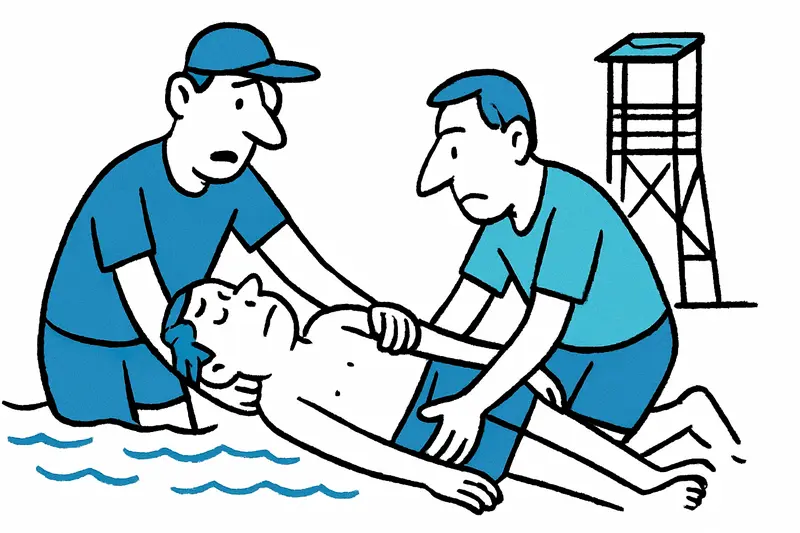
Magaluf: Watchtower Alarm – Lifeguards Pull Unconscious Beachgoer from the Water
After a drama in the late afternoon, two lifeguards at Magaluf beach rescued an unconscious 44-year-old man. He was stab...
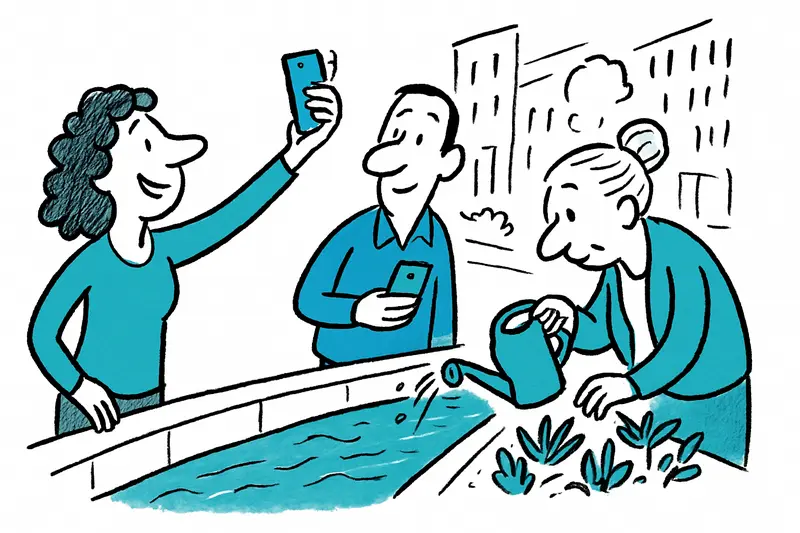
Turquoise in the City: How dangerous is the color play of the Sa Riera?
The Sa Riera in Palma suddenly turned turquoise — a pretty motif, but behind the effect lies a discharge of saline waste...

Jeckliner at Sunnesching: Cologne spirit sets sail from Palma
In September 2027 the Mein Schiff 2 briefly becomes a floating carnival stage: four days with Cologne bands, comedy and ...
More to explore
Discover more interesting content

Can Cap de Bou

Townhouse Lleo 72
