
Palma closes parks and Paseo Sagrera: What the wind warning means for daily life
Palma closes parks and Paseo Sagrera: What the wind warning means for daily life
Due to strong gusts, Paseo Sagrera and several parks in Palma are closed until tomorrow morning. A critical assessment: Who is affected, what is missing in the planning, and which simple measures help immediately?
Palma closes parks and Paseo Sagrera: What the wind warning means for daily life
Yellow warning on the coast, orange inland — gusts over 130 km/h possible in the Serra de Tramuntana
The city of Palma has temporarily closed the Paseo Sagrera and the large green areas Bellver, Can Terrers and Ribera, as reported in Parks in Palma Closed: Was the Closure Timely and Sufficient?. The measure is in effect until 08:00 tomorrow morning. A yellow wind warning is in place across the island and along the coast; an orange level has been issued for the island interior. In higher elevations of the Serra de Tramuntana wind speeds of over 130 km/h are expected. Those are the facts — and now the questions we should be asking.
Key question: Are the existing procedures and communication sufficient to protect people and infrastructure during such sudden storm events?
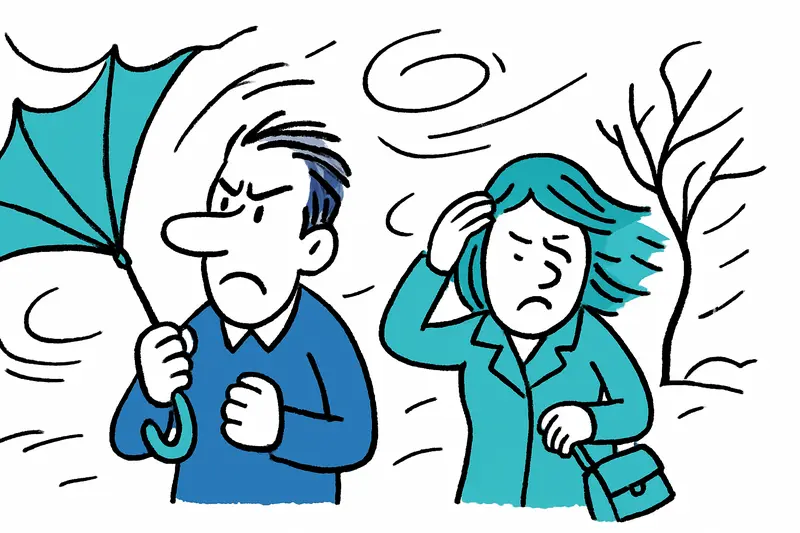
The decision to close promenades and parks is fundamentally the right one. Loose branches, flying signs or taped-off benches are not trivial when the wind picks up. Anyone who has been to Paseo Sagrera early in the morning knows the long avenues with palms and the view of the bay — in strong wind, these familiar places can quickly become danger zones. Today there were only a few walkers on the coast, but many pieces of plastic and sand driven in from the sea — small scenes that make clear how fast an everyday situation can turn.
But questions remain: How quickly does the city react if conditions suddenly worsen, as seen in Orange storm cripples Palma: parks closed, markets cancelled – Is the city well prepared? Are there coordinated routes for emergency vehicles if trees block roads? And how is information conveyed to older people, to tourists, or to residents of remote villages who do not constantly follow local reports?
What is often missing in public discourse
First: transparency about decision criteria. Citizens should know which threshold values trigger park closures — is it the measured gust speed or forecast values for the next hour? Second: practical guidance. A warning level alone helps little if no one says what to do concretely: secure balcony furniture and flower boxes, avoid parking under trees, respect closed access points. Third: coordination between municipalities, public utilities and the tourism sector. Hotels, ferry terminals, ports and marinas need early information so guests can be accommodated safely and vessel movements adjusted, and authorities should publish practical advisories such as Palma at the Weekend: Closures, Detours and What Residents Should Know.
Concrete solutions that help immediately
- Clear, timely info channels: automated SMS or WhatsApp lists for residents in particularly exposed neighborhoods. The technology is available and inexpensive.
- Dynamic signage: mobile signs at access points that can be activated remotely when parks are closed.
- Prioritized tree maintenance: simple risk checks along heavily used promenades and parking areas before the storm season — remove loose branches and dead wood.
- Emergency routes: designated corridors for emergency and clearance vehicles that are regularly patrolled so trees and debris can be removed quickly.
- Public shelter points: a list of safe, weatherproof places in neighborhoods (community halls, larger hotels with agreements) that is published during alerts.
Many of these measures cost less than expected. Often it is a matter of organization and prioritization rather than large investments. A simple example: if balconies and awnings are checked and secured in the days before a forecasted warning, the number of emergency calls on stormy days is significantly reduced.
Everyday scene
Imagine this: it is early afternoon, the Tramuntana wind whistles through the streets of Santa Catalina, restaurants tie down seat cushions, an elderly woman pushes her groceries toward the market hall, and the Paseo Sagrera is already cordoned off. No one is shouting, but the atmosphere is tense — people check their messages, children head back to cars. These small scenes are telling: personal preparedness often makes the difference.
Who pays the price if something goes wrong? Damage to roofs, interrupted power supply or blocked main roads cost time and money. Supply chains, emergency services and people with reduced mobility are particularly affected. Prevention here is not just a safety policy but also economic common sense.
Concise conclusion
Closing Paseo Sagrera and the parks in Palma is a necessary step. The city administration has thus reduced an immediate danger. But the warning should be an occasion to review everyday crisis organization: better communication, prioritized maintenance of green spaces and clearer rules for hotels, ports and businesses. Short term: stay alert, secure balconies, inform neighbors. Long term: build much more routine into preparations for such wind events — it costs little, but often prevents a lot.
If you need to be out in the coming hours: turn back once more rather than risk it for convenience. The wind keeps no appointments — and that is exactly why we should be prepared.
Frequently asked questions
Why are Palma parks and Paseo Sagrera closed during the wind warning?
How strong can the wind get in Mallorca during this warning?
What should residents in Mallorca do when there is a strong wind alert?
Is it safe to walk along Palma's seafront during strong winds?
What does an orange wind warning mean for Mallorca's interior?
How do wind warnings affect daily life in Palma?
What should tourists in Mallorca know during a storm warning?
Why are parks and promenades closed in Mallorca before storms?
Similar News
When the Wallet Becomes a Danger: Attack in Peguera and Lessons for Mallorca
In Peguera, two women are said to have stolen the wallet from a 75-year-old German couple. When the victim intervened, t...
Plata stays Plata: Young people take over, Llonguets remain
A small bar on Carrer de l'Argenteria will continue: Tolo Serra hands the place over to young Mallorcans at the end of t...

Unnoticed in the Luggage Compartment: How a Boy Traveled More Than 100 Kilometers in a Team Bus
A minor traveled in the undercarriage of a team bus for more than 100 kilometers until his cries for help were heard. A ...

Cap Vermell Grand: Second Michelin Key – a Gift for the East
The Cap Vermell Grand in Capdepera has been awarded its second Michelin key. For the region this elevates the luxury off...
Eurowings lets four aircraft carry names – a friendly idea that also reaches Mallorca
Eurowings is launching a campaign: four Airbus A320s are to carry the first names of people who help others in everyday ...
More to explore
Discover more interesting content

Can Cap de Bou

Townhouse Lleo 72
