
Three dead in 48 hours: What's missing in the debate on Mallorca?
Three dead in 48 hours: What's missing in the debate on Mallorca?
In just two days on Mallorca a six-year-old child and two motorcyclists died. The accidents raise more questions than answers. An assessment, everyday impressions and concrete proposals for more safety.
Three dead in 48 hours: What's missing in the debate on Mallorca?
Leading question: Why are fatal accidents often treated as isolated incidents here, even though patterns are recognizable?
Over the course of a weekend the island turned into a sad backdrop: a six-year-old boy on a finca in Montuïri was killed while a car was reversing. A 38-year-old motorcyclist died after a collision on Calle Indalecio Prieto in Palma, near a school. And on Sunday evening a 58-year-old lost control of a large motorcycle on a bend between Es Secar de la Real and Establiments and died at the scene. Three dead, three completely different locations – but some common questions remain.
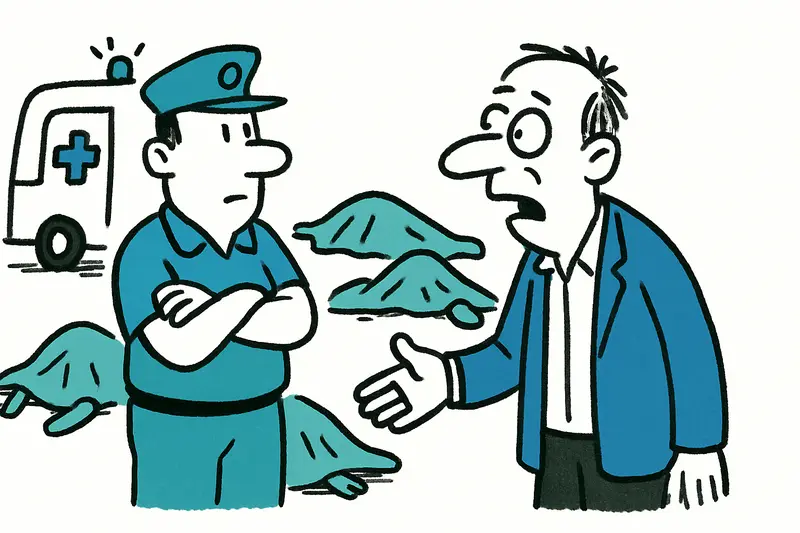
Soon after the accidents, ambulances and the Guardia Civil were at familiar spots: in Son Comelles, where families had gathered at the finca; on Calle Indalecio Prieto, where parents drop their children off at school; and on the winding country road between Es Secar de la Real and Establiments. Those who live here know the sirens, the flashing blue lights at junctions and the cold metal of the crash barriers set up after an accident. These scenes are not statistics, they are part of everyday life – a café on the Plaça Major suddenly quieter, a school route heavier, and similar reports have documented serious collisions across the island, for example Head-on Crash near Manacor: Two Dead, Questions Remain.
Critical analysis: three points stand out. First: the danger in private areas is underestimated. That a child dies on private property during a family gathering sounds like a tragic accident without lessons. But it reveals weaknesses: poor visibility when reversing, lack of technical aids such as reversing sensors on older vehicles, and confusing farmyard driveways. Second: traffic areas near schools remain sensitive. The collision on Calle Indalecio Prieto served as a reminder of how quickly a street full of parent taxis in the morning can become a danger zone. Third: country roads with sharp bends attract motorcyclists who often combine large machines with high speeds – the result is serious accidents with fatal outcomes, as explored in Why Mallorca Remains Dangerous for Bikers — and What Could Really Help.
What is lacking in the public discourse: preventive measures beyond blanket appeals. The discussion often remains at "be careful on the road" and overlooks technical, organizational and social measures that could save lives, a trend highlighted in Too Many Deaths on Motorcycles: How Mallorca Can Stop the Summer Trend. There is also little debate about the age of vehicles and their equipment on the island, whether parking situations on private properties could be regulated or better explained, and the role of urban planning, for example at school driveways.
An everyday scene: one afternoon in front of a primary school in Palma I see parents stopping at the last minute, helping children out of the car, backpacks slung over shoulders. An officer whistles in vain, two cyclists swerve, a city bus honks. Moments like these repeat daily and are a ticking clock. They show that not only laws but concrete habits and small interventions can improve safety.
Concrete approaches:
1. Improve visibility and technology on private properties: information campaigns for finca owners about hazards when parking and reversing, promotion of parking sensors and reversing cameras for older vehicles through local subsidies or discounted offers.
2. Make school areas safer: 30 km/h zones at school entrances, physical road humps, visible markings and designated drop-off and pick-up zones. Greater presence at peak times by local police instead of only sporadic checks.
3. Make country roads safer for motorcyclists: better guardrails, curve markings, regular cleaning of road edges (to avoid sand/gravel), combined information campaigns about appropriate speeds and protective gear, measures that echo concerns raised in Three serious accidents in one night: What's wrong with Mallorca's country roads?.
4. Strengthen emergency preparedness: first aid courses for communities, mandatory defibrillators at busy places such as schools and markets, faster coordination of rescue routes through digital site plans.
5. Data-driven prevention: systematic recording and analysis of accidents by location, time, vehicle type and surroundings (private yard vs. public space), so measures are targeted and not merely symbolic.
These proposals are not cure-alls, but they are practical: quickly implementable, with manageable costs and great impact if properly prioritized. The island has the resources – what is often missing is attention and the expectation that small interventions can bring noticeable change.
Concise conclusion: Three dead in 48 hours are too many to be written off as mere tragedies. Behind each number stands a neighborhood, a school route, a finca gate. Anyone living in Palma or in a village like Montuïri can immediately see where the levers are: better visibility, concrete rules around schools, technical aids for parking and an honest look at country roads. It's time to break the routine of "it was an accident" and take the small, local steps that prevent unnecessary deaths.
Frequently asked questions
Why are traffic accidents in Mallorca often treated as isolated incidents?
How dangerous are school drop-off areas in Palma?
What makes country roads in Mallorca so risky for motorcyclists?
What can drivers do to stay safer when reversing on a finca in Mallorca?
When is the weather best for swimming in Mallorca?
What should I pack for a Mallorca trip if I want to drive and explore by car?
Is Es Secar de la Real a difficult area to drive through in Mallorca?
What are the main road safety problems in Mallorca right now?
Similar News
High heel slips, car accelerates: accident on Camí de Son Hugo
A woman lost a high-heeled shoe on the forecourt of the sports facility at Camí de Son Hugo. The car accelerated, mounte...
Phone Scam: How Two Hotel Employees at Playa de Palma Lost Thousands of Euros
One morning in September, two reception employees at Playa de Palma were pressured by alleged alarm-company staff — in t...
When the Wallet Becomes a Danger: Attack in Peguera and Lessons for Mallorca
In Peguera, two women are said to have stolen the wallet from a 75-year-old German couple. When the victim intervened, t...
Plata stays Plata: Young people take over, Llonguets remain
A small bar on Carrer de l'Argenteria will continue: Tolo Serra hands the place over to young Mallorcans at the end of t...
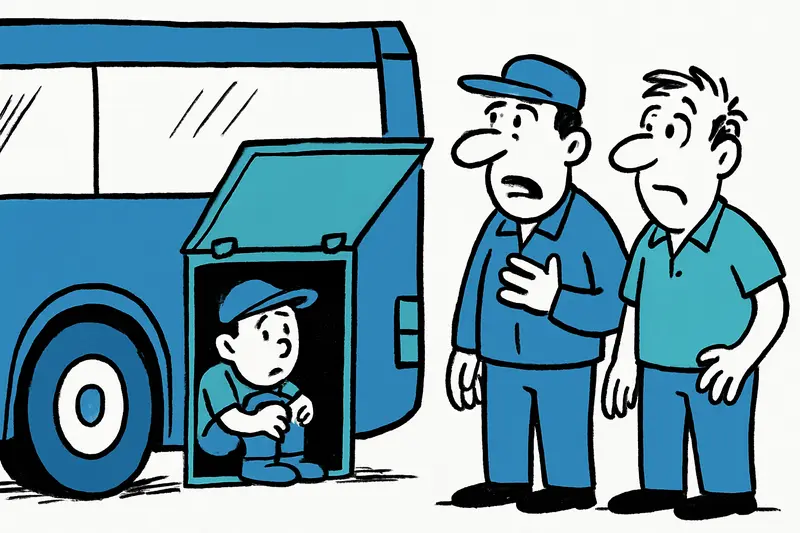
Unnoticed in the Luggage Compartment: How a Boy Traveled More Than 100 Kilometers in a Team Bus
A minor traveled in the undercarriage of a team bus for more than 100 kilometers until his cries for help were heard. A ...
More to explore
Discover more interesting content

Can Cap de Bou

Townhouse Lleo 72
