
Palma's Intermodal Station: New Escalators — Is That Enough to Cure the Bottleneck?
The regional government is replacing six escalators at the Intermodal Station. Necessary, yes — but are shiny steps enough when maintenance, climate resilience and passenger guidance are missing? A look behind the barriers at Plaza España.
Shiny steps at Plaza España – symptom or solution?
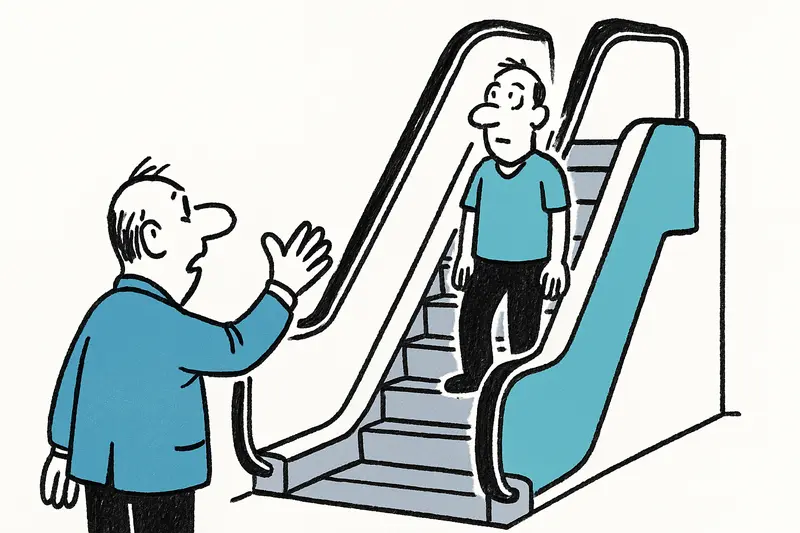
When you cross Plaza España in the morning, you smell the bakery, hear the squeak of buses and watch commuters struggling along often-failing escalators. From November 2025, six of these units are to be replaced, as reported in Palma Estació Intermodal to get new escalators – work starts in November. That is a visible sign — but does it heal the bottleneck at Palma's most important interchange?
What exactly is planned?
The facts: For around €1.14 million the six escalators from 2007 will be renewed. The contractor is TK Elevadores España SLU. The construction period is estimated at about three and a half to four years. During the work, at least one escalator per direction should remain available. The regional government also plans further measures: new entrances, tactile guidance systems, revamped restrooms and a refreshed customer service area — a total of about €2.5 million is planned for this, as detailed in Intermodal Station: A little noise today, a more reliable station tomorrow.
Key question: Are new escalators enough to make the intermodal station future-proof?
This is the central question, which easily tempts a simple answer: Yes, new technology is good. But the Intermodal Station is not a single device, it is a complex hub with needs that go beyond new steps. It's not just about mechanics, but about maintenance, climate resilience and the daily reality of the people who pass through here every day.
What often gets overlooked in the debate
First: maintenance instead of replacement. A pure replacement removes the symptom, but not the cause. Without strict maintenance cycles, clearly defined response times and transparent KPIs, the new systems risk developing the same faults as the old ones. Second: climatic stresses. The escalators failed particularly after heavy rain or on scorching summer days. If you reproduce old specifications, you will likely reproduce old problems; these climatic concerns and ventilation needs are examined in Fresh Breeze, New Escalators — and Many Questions: Palma's Intermodal Station Between Investment and Everyday Life. Third: construction phases are underestimated. Barriers, detours and construction noise are everyday life for residents around Plaza España — older people, parents with prams, travelers with suitcases and cyclists need workable alternatives, not confusing chains of signs.
Risks for commuters and accessibility
The statement that at least one escalator per direction will always remain sounds formally reassuring. In practice, long queues at elevators often form, extra burdens fall on staff and waiting times turn transfers into a test of patience. Concrete commitments are missing: temporary ramps, additional service staff during peak times or a clear plan for people with mobility impairments are not mentioned. For someone in a wheelchair, a missing plan can mean the difference between arriving and getting stuck.
Five opportunities to seize now
1) Long-term maintenance contract with KPIs: Not a one-off payment, but a commitment to regular inspections, defined response times and measurable performance goals.
2) Climate-resilient components: Materials and technology that tolerate heat, humidity and salty air better, plus improved drainage systems on exposed areas of the station.
3) User-oriented construction phases: Accessible detours, temporary ramps or lifts and additional staff to provide orientation during peak times — not just signs.
4) Real-time communication: Information on breakdowns, detours and waiting times via apps, display boards and clear public announcements so commuters know immediately what to expect.
5) User involvement: A round table with commuters, bus drivers, traders at Plaza España and associations for people with disabilities can identify problems early and suggest practical solutions.
Similar critiques and proposals have been raised in Lots of Money, Lots of Work — But Is It Enough for Palma's Intermodal Station?.
Why good planning achieves more than shiny metal
The new escalators can improve many things, but only if they are embedded in a system of care, communication and climate adaptation. Small details — functioning ventilation at the bus platforms, shading elements in summer, drained transitions after heavy rain — often have a greater effect on everyday life than a new escalator alone. An espresso in front of the bakery tastes even better when changing trains is not a hassle.
A realistic outlook
Four years of construction sound like an eternity, but they are a chance to do things right. Planners must look ahead now: tests under real conditions, contractually anchored maintenance plans and clear communication are essential. If those responsible only scratch the surface, the Intermodal Station will remain a bottleneck — and Plaza España a place where good coffee barely eases the annoyance of delayed buses.
Conclusion: New escalators are necessary. But they are only the beginning. Anyone who really wants to relieve Palma needs foresight, clear contracts and respect for the people who rush through this abrasive, lively junction every day.
Frequently asked questions
Will Palma's Intermodal Station stay open while the escalators are replaced?
How long will the escalator works at Plaza España in Palma take?
Why do the escalators at Palma Intermodal Station keep failing?
Is Palma's Intermodal Station accessible for people with reduced mobility during the works?
What improvements are planned for Palma Intermodal Station besides the new escalators?
What should commuters expect at Palma Intermodal Station during construction?
How much is Mallorca investing in the Palma Intermodal Station upgrades?
Will the new escalators fix the bottleneck at Palma Intermodal Station?
Similar News
The End of the Cheap Ride? Why Mallorca Is Hit Harder by the Fuel-Price Shock
Gasoline and diesel average close to two euros per liter. What this means for commuters, supply chains and renters in Ma...
Relaxed liquid rules in Munich: What Mallorca travelers will notice
At Munich Airport the 100-milliliter rule will be lifted at all checkpoint lanes — thanks to new CT scanners passengers ...

For 45 Years on Mallorca — and Then This: How a Market Visit in Santa Ponsa Became a Lesson
A woman who has lived on the island for decades lost money and important documents at the Mercat Setmanal in Santa Ponsa...
10 percent surcharge on the beach: How legal and transparent is the extra charge at Playa de Muro?
A German part-time resident noticed days after a restaurant visit in Playa de Muro that the bill included a flat ten per...

Body near the Llevant Market: What this death says about our city
A man was found dead on Sunday afternoon near the Llevant Market. Police say the death appears natural. The scene raises...
More to explore
Discover more interesting content

Can Cap de Bou

Townhouse Lleo 72
