
After Partial Collapse in Santa Ponsa: Who Is Responsible for Hotel Safety?
After Partial Collapse in Santa Ponsa: Who Is Responsible for Hotel Safety?
The sunken dining hall in a hotel in Santa Ponsa raises a pressing question: Are protection and inspection mechanisms for tourist buildings in Mallorca sufficient? A reality check with a daily scene, analysis and concrete proposals.
After Partial Collapse in Santa Ponsa: Who Is Responsible for Hotel Safety?
Key question: How safe are the buildings where thousands of guests on Mallorca sleep each night — and who ensures they remain safe?
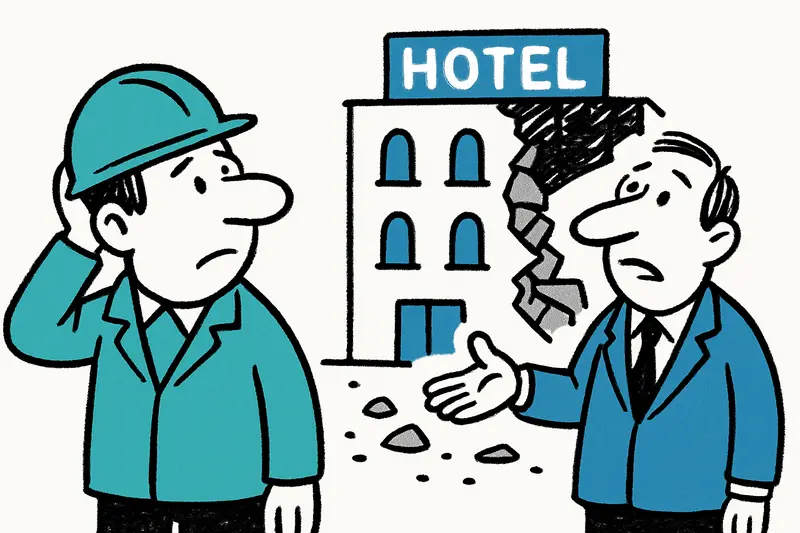
Late in the evening, around 9:30 p.m., a hotel dining room of about 30 square meters suddenly collapsed in Santa Ponsa. Two people suffered minor abrasions, roughly 520 guests were relocated to other hotels in the same chain, the affected hotel remained closed, and a thorough structural inspection is scheduled for the coming Monday. On site, guests reported a loud bang and a panicked flight into the street — an image that does not match the sunny photo of the promenade.
In short: a worrying incident with a fortunate outcome. The facts are sparse: affected dining room, time, number of guests, two slightly injured, closure, structural inspection. But these facts need to be unpacked.
Analysis: building age, maintenance and inspections become tangible here, as seen in other recent incidents such as the Medusa Beach rooftop terrace collapse. In older hotels, a ceiling structure that has borne loads for decades eventually becomes less reliable — especially if maintenance measures were carried out piecemeal or in ways that are not visible from the outside. Operators focus on occupancy, municipalities on tourism offers; this creates grey areas between necessary structural upkeep and economic calculation. What matters is who inspects regularly, who reports defects and how quickly such defects are remedied.
What is usually missing in the public debate: first, transparency. For holidaymakers it is not apparent when a hotel was last structurally inspected or what maintenance requirements exist — a lack of clarity that recently contributed to the temporary closure of six venues in Cala Major after a crack was discovered in a load-bearing beam. Second, clear responsibilities: in many cases owner, operator and municipality are different actors — and insurance arrangements are hard for laypeople to understand. Third, the perspective of staff: cleaning personnel, service staff and local craftsmen often notice problems early, but are rarely consulted systematically.
An everyday scene in Santa Ponsa: on Carrer de Gran Vía Puig Major taxis and minibuses stood the next day, cafés smelled of fried fish, guests with towels over their shoulders looked for shady spots, and nearby hotel employees discussed room allocations in calm voices. Between the normal tourist noise and the occasional siren there was the feeling that so much infrastructure in one place cannot function without regular upkeep.
Concrete solutions that should now be on the table: 1) A binding inspection cycle: mandatory checks by officially certified structural engineers every five years for accommodation establishments older than 20 years, with a short report to the municipality. 2) Public inspection registry: an openly accessible portal with the date of the last inspection and status (without a flood of technical details), so guests and staff know whether a building has been recently checked. 3) Make emergency protocols mandatory: evacuation drills at least once a year, clearly visible escape plans in multiple languages and trained shift leaders. 4) Support programmes for small businesses: grants or low-interest loans for structural reinforcements so the costs are not borne solely by staff or guest comfort. 5) Strengthen reporting channels: anonymous and protected channels for staff to report defects, plus restrictions against reprisals.
An additional element: municipalities should not only check formal paperwork when renewing licenses, but also carry out random on-site inspections — and publish the results. High-profile follow-ups such as the partial collapse at the Baluard de Sant Pere have shown how isolated incidents can raise broader questions about monitoring and transparency.
Conclusion: The incident in Santa Ponsa is both a warning signal and a wake-up call. Lucky in misfortune this time meant only minor injuries and quick action. But that is not an excuse for ignorance or negligence. Living on an island where hundreds of thousands stay each year, safety cannot be treated as mere business administration. More transparency, compulsory inspections and tangible support mechanisms would help reduce fear and speculation and create solid safety.
A final thought: Safety is not an appeal to the future, it is daily work — and it begins locally, on the promenade, in the kitchen, in the neighbour's workshop.
Frequently asked questions
How safe are hotels in Mallorca after the Santa Ponsa collapse?
Who is responsible for hotel safety in Mallorca?
What should guests do if a hotel in Mallorca feels unsafe?
Are older hotels in Mallorca more likely to have structural problems?
What happened in the Santa Ponsa hotel collapse?
How common are hotel evacuations in Mallorca after building damage?
What safety checks should Mallorca hotels carry out regularly?
Is there a public register for hotel inspections in Mallorca?
Similar News
Rental Car Theft in El Arenal: What This Incident Reveals About Our Gaps
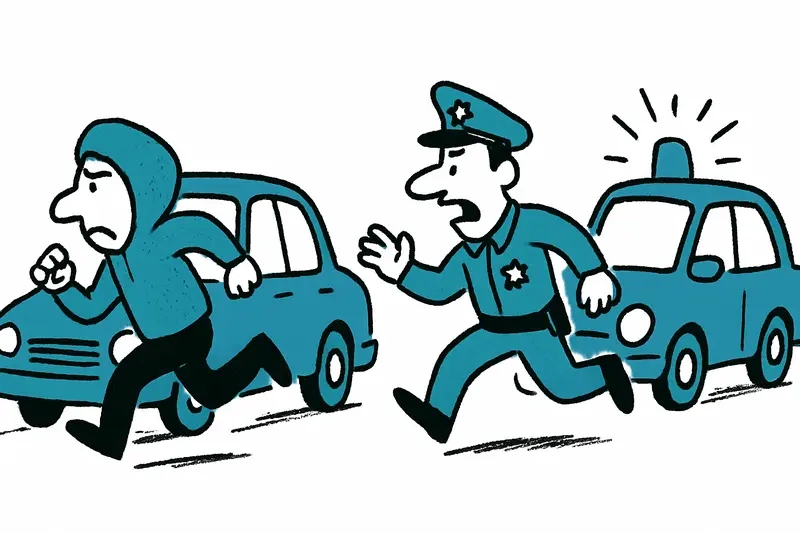
A teenager steals a running rental car in El Arenal, flees on foot, climbs over walls and is caught by the Guardia Civil...
Red Rope in Palma's Library: What Helps Against Selfie Tourism — and What's Missing
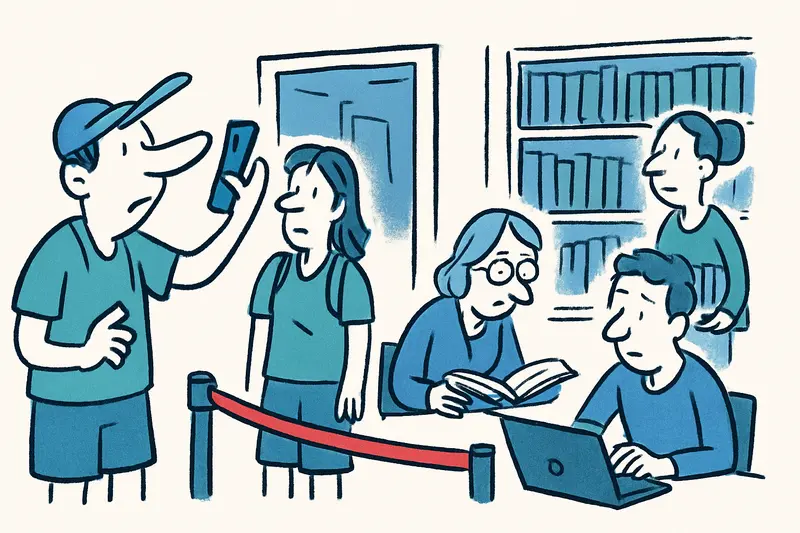
Palma's city library cordoned off an area with a red rope to keep selfie tourism away from reading and working activitie...
Fort San Carlos: Museum, Harbor Dispute — and a Conflict That Demands Answers
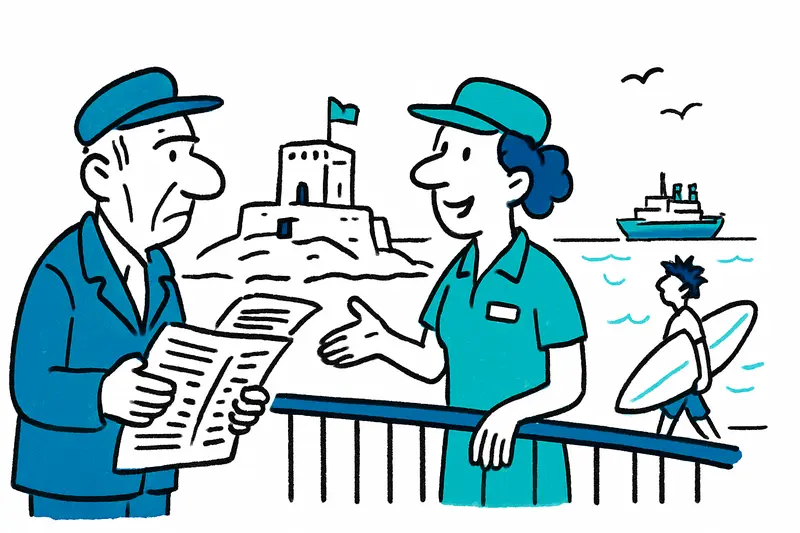
The military museum at Fort San Carlos sits right on Palma's harbor, with unexpectedly quiet rooms filled with cannons a...
Old Town Under Pressure: When a Doorway Becomes a Sleeping and Shower Place
For months a woman has been living with a parasol, a clothes rack and personal belongings next to the social welfare off...
When Shopping Weighs Heavier: Mallorca Demands a Tax Pause on Food and Fuel
Rising prices are putting pressure on households and agriculture. The Balearic Islands are calling for temporary tax rel...
More to explore
Discover more interesting content

Can Cap de Bou

Townhouse Lleo 72
