
Paseo Marítimo: Drunk driver crashes into several cars — and calmly puts on her lipstick
Paseo Marítimo: Drunk driver crashes into several cars — and calmly puts on her lipstick
Why was a woman who appeared to be heavily intoxicated able to ram several parked cars along the Paseo Marítimo and only be stopped after 300 meters? A reality check with a scene from everyday life, analysis and concrete proposals for Palma.
Paseo Marítimo: Drunk driver crashes into several cars — and calmly puts on her lipstick
Why was a woman who appeared to be heavily intoxicated able to drive along Palma's promenade in the early hours, damage around ten parked vehicles and only be stopped after about 300 meters? This question is central because the incident is more than an accident: it reveals safety gaps in a night-time area where many people are out and about.
It was around 1:30 a.m. when the Mercedes first brushed parked cars and lost one of its wheels. Instead of stopping immediately, the driver continued. Only after pedestrians chased the vehicle and tried to stop it by kicking it did the car come to a halt after roughly 300 meters (see Paseo Marítimo: Taxi drivers stop drunk driver — a wake-up call for Palma's nightlife).
Afterwards, notices were left on the damaged vehicles, city services were called to clean up spilled oil, and the car was towed.
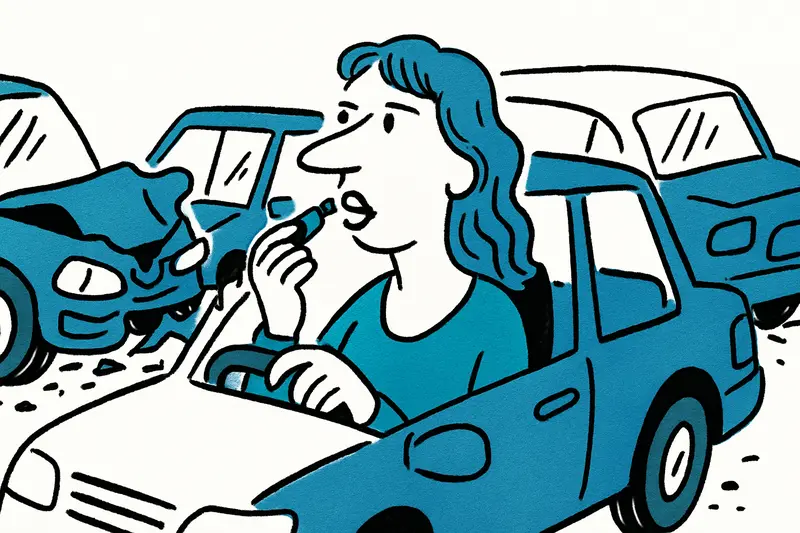
The police noted clear signs of alcohol on the woman; a proper breathalyzer test could not be completed because she was uncooperative. Besides the accusation of drunk driving, she is also being charged with refusing the test. Her behavior at the scene was striking: amid the chaos of damaged cars and flashing lights she briefly sat back in the car and applied lipstick — and, according to officers, mostly spoke about her financial situation.
Critical analysis: Where are the gaps?
The incident exposes several issues. First: the night sections along the paseo are heavily used — bars, clubs and pedestrians alternate — and need targeted presence of law enforcement during peak times. Second: when a breath test cannot be carried out on site, the immediate evidence that would speed up investigations and sanctions is often missing. Third: there is a gap between the risk of damage to parked cars, pedestrians and cyclists and the ways the city can quickly respond to such disturbances.
Public discourse often focuses on drunk driving, but the debate frequently lacks discussion about the specific nights, locations and procedures: Who conducts checks between 1 and 3 a.m.? How well are weekend duty rosters aligned with hotspots? And what role do short-term transport options play that could safely take people home without a car? (cf. Paseo Marítimo: Intoxicated Pedestrian Struck at a Red Light – Danger on the Promenade.)
A scene from the Paseo Marítimo
Imagine: nocturnal neon reflections on the harbor quay, the air smelling of sea and grills, a taxi horn somewhere. These are the minutes when the promenade becomes a through street: people in flip-flops, waiters with trays, bouncers with raised hands. That Saturday it was, in fact, passersby who ran after the vehicle to prevent the worst. The fact that people had to intervene themselves shows how vulnerable the night-time infrastructure is.
What is missing in the public debate
The debate often ends with blanket judgments about the "party scene" or "tourists." What is missing is a pragmatic discussion about short-term, implementable measures: better coordination of night-shift police teams at critical weekends; mobile breathalyzers that still enable clear follow-up in case of refusal; obligation to provide information in English and Russian in clubs and at car rental companies; and reliable night transport as an alternative to driving after bars close.
Concrete solutions
1) Targeted controls: mobile police teams at peak times (0–4 a.m.) at Paseo hotspots. 2) Rapid intervention: better coordination with city cleaning and towing services so oil/damage sites can be secured faster. 3) Information obligations: landlords and organizers should inform customers in several languages about penalties and safe nights. 4) Strengthen night transport: extend certain lines or on‑demand night buses on weekends. 5) Sanctions and prevention: consistent prosecution of test refusals plus publicly visible awareness campaigns.
Conclusion
Fortunately the accident on the Paseo Marítimo did not result in personal injury, but a series of property damages with high risk potential. The image of a woman calmly reapplying her lipstick while others deal with broken glass and oil remains (see Fatal Accident on the Paseo Marítimo: Trial Raises Questions About Safety and Control). Palma does not need moralizing sermons but clear, everyday solutions: targeted controls, better night mobility and more prevention — so the promenade becomes a place where people can walk safely again and not have to look out for the next near-disaster.
Frequently asked questions
What is the weather like in Mallorca in spring?
Can you swim in Mallorca in spring?
What should I pack for Mallorca in spring?
Is spring a good time to visit Mallorca?
What is Manacor like in spring?
What is Pollença like in spring?
Is it windy in Mallorca during spring?
What can you do in Mallorca in spring?
Similar News
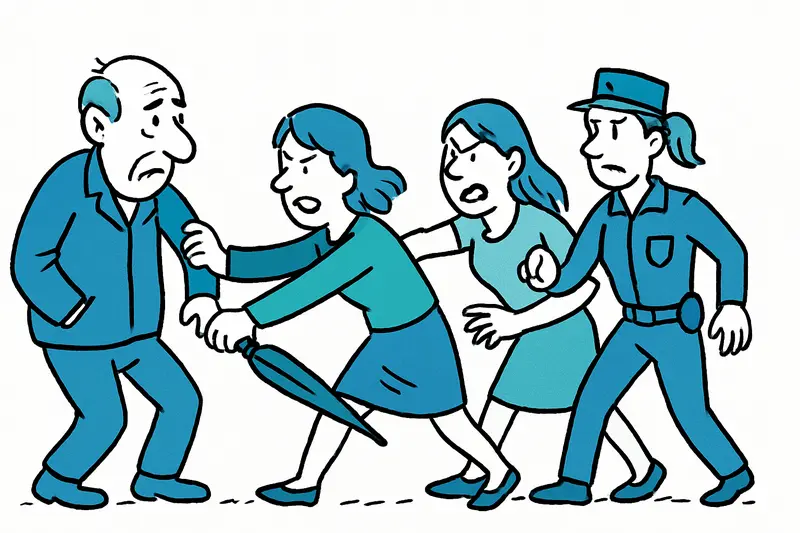
When the Wallet Becomes a Danger: Attack in Peguera and Lessons for Mallorca
In Peguera, two women are said to have stolen the wallet from a 75-year-old German couple. When the victim intervened, t...
Plata stays Plata: Young people take over, Llonguets remain
A small bar on Carrer de l'Argenteria will continue: Tolo Serra hands the place over to young Mallorcans at the end of t...
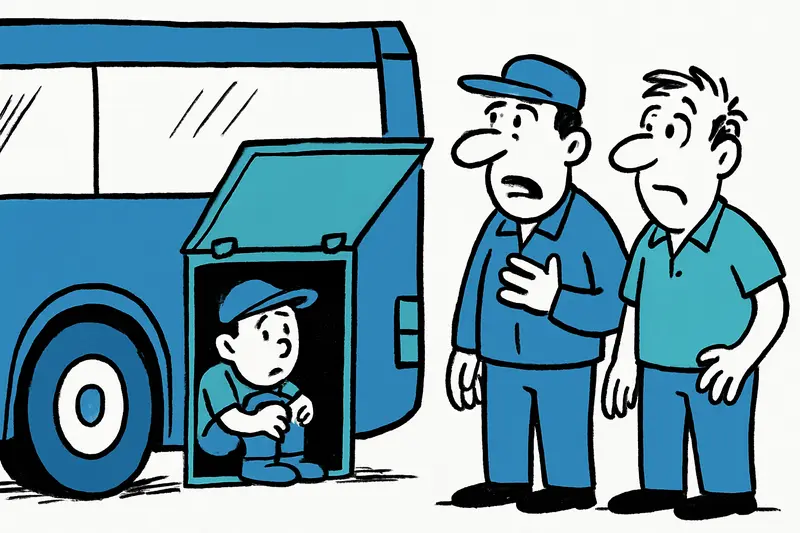
Unnoticed in the Luggage Compartment: How a Boy Traveled More Than 100 Kilometers in a Team Bus
A minor traveled in the undercarriage of a team bus for more than 100 kilometers until his cries for help were heard. A ...

Cap Vermell Grand: Second Michelin Key – a Gift for the East
The Cap Vermell Grand in Capdepera has been awarded its second Michelin key. For the region this elevates the luxury off...
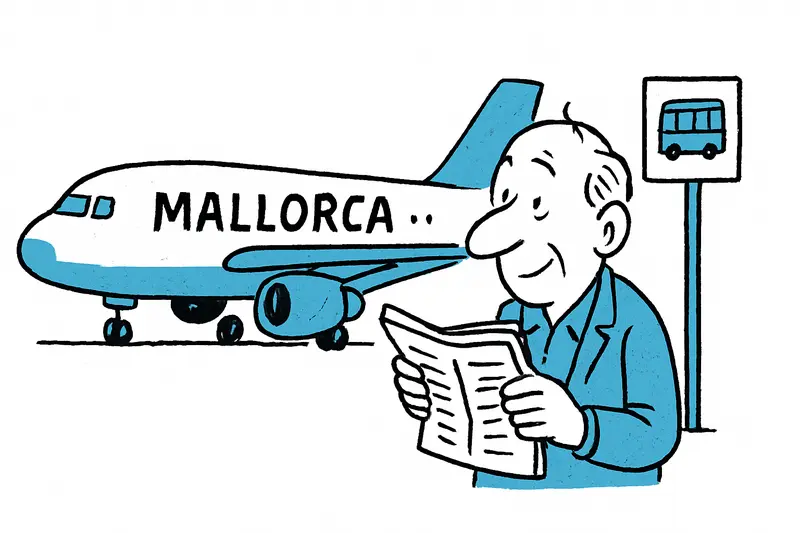
Eurowings lets four aircraft carry names – a friendly idea that also reaches Mallorca
Eurowings is launching a campaign: four Airbus A320s are to carry the first names of people who help others in everyday ...
More to explore
Discover more interesting content

Can Cap de Bou

Townhouse Lleo 72
