
Water, Carob, Community: How Llucmajor Can Preserve Its Cándida
The patron saint celebration of Saint Cándida in Llucmajor is loud, wet and full of life. But how can this tradition stay alive without overburdening the plaza and the neighbourhood? A look at opportunities, problems and pragmatic solutions.
Water, Carob, Community: How Llucmajor Can Preserve Its Cándida
On a warm summer evening Plaza España in Llucmajor fills with laughter, guitar chords and the clink of glasses. People stand shoulder to shoulder; cicadas buzz, a moped rumbles by, and a scent mixture of freshly fried sobrassada, sugar and coffee hangs in the air. The patron saint festival in honour of Saint Cándida is in full swing — loud, colourful and often a little wet.
The question increasingly being asked
As much as these scenes belong to the identity of the place, organizers, residents and environmentalists ask the same central question: How can one preserve a lively, sometimes chaotic tradition without leaving the plaza scattered with trash and plastic or unduly burdening the neighbourhood?
What makes the evening special — and what annoys
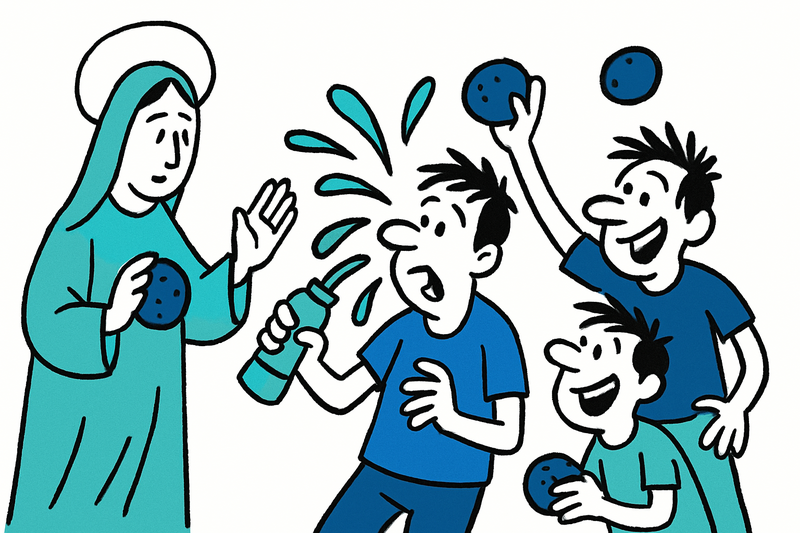
The core of the festival is simple and heartfelt: young people throw water at each other, pop water balloons and sometimes throw the hard pods of the carob (Ceratonia siliqua) species information. The next morning children roll through a foam party while elders sit on the steps of the Església de Sant Miquel watching the bustle. In the evening the “Gran Verbena” draws crowds with dance floors, live bands and stalls offering local treats.
But these very elements bring problems: single-use plastics from water balloons, torn balloon fragments on the street, leftover food packaging and poor waste separation. For small shops and associations the festival is a welcome boost, but for the city administration and residents it also means extra work — from cleaning to replacing damaged plant containers.
Analytical view: economy meets community
Economically the patron saint festival is a driver for Llucmajor. Bars, bakeries and market traders benefit, associations sell tombolas for social projects, and craftsmen showcase their goods. Socially the festival acts like a catalyst: generations come together, young people take on responsibilities, and tourists get a glimpse of authentic Mallorcan life.
Still, hardly visible follow-up costs arise: cleaning measures, disposal of non‑biological residues and occasional conflicts with visitors who misunderstand the traditions. These hidden costs raise the question of who bears responsibility — the municipality, the festival committees or the guests themselves? Even municipalities with environmental certifications, such as Llucmajor Remains ISO-Certified — But Is the Certificate Enough for the Sea?, confront these questions.
What is seldom discussed
Two aspects are often underrepresented in public debate: first, the long‑term damage from microplastics and foreign matter in historic paved areas; second, the opportunity to develop the festival as a model for sustainable small events across Mallorca. Both can be addressed — without smothering the conviviality.
Concrete proposals — pragmatic and local
The ideas are not new, but they are practical and Mallorcan: pragmatic, with a wink and a lot of heart. These include:
Multilingual behavioural signs at the access roads and the market square, politely reminding visitors about waste separation, respectful behaviour and the sensitivity of old paving stones.
Alternatives to disposable items: instead of plastic water balloons, use solid, reusable fabric water bombs. Or promote water pistols (with visible notices) and natural alternatives to the carob that leave fewer residues. Similar local conservation efforts are described in Less Watering, More Flair: How Fincaplantas Creates Dry, Beautiful Gardens in Mallorca.
Improved infrastructure: mobile recycling stations, additional toilets and clearly marked collection points staffed by local associations for a small fee — this creates work and reduces litter.
Cleanup teams with strong youth participation, equipped with gloves and buckets. In Llucmajor this could become a tradition: those who help get free entry to the verbena in the evening or a voucher at the bakery.
Deliberate programme planning, for example fixed times for foam parties and quiet periods, clear noise limits and better communication with hotels and landlords — so every guest knows what to expect.
Looking ahead — a small call to action
The festival of Cándida exemplifies how local customs keep Mallorca alive. The challenge is not to ban traditions but to pass them on in a way that the plaza tomorrow is the same meeting place as today. A little less plastic, a bit more organisation and a few signs in English and German — often that is enough. Initiatives such as Compost instead of Crematorium: New Biowaste Facility for Llucmajor show how local waste management can evolve to support these aims.
If you come from Llucmajor or happen to be in town that weekend: wear something that can get wet, bring a good mood and maybe a bag for rubbish. Then the evenings stay loud, friendly and a little dirty with happiness — and the plaza keeps its face for the next generation.
Frequently asked questions
What is the Saint Cándida festival in Llucmajor like?
Why do people throw water and carob pods during the festival in Llucmajor?
What should I wear to a wet summer festival in Mallorca?
Is the Llucmajor festival family-friendly?
What problems do local festivals like Saint Cándida create in Llucmajor?
How can Llucmajor make its festival more sustainable?
What can visitors expect on Plaza España during the Llucmajor festival?
How do local shops and associations benefit from the Llucmajor festival?
Similar News
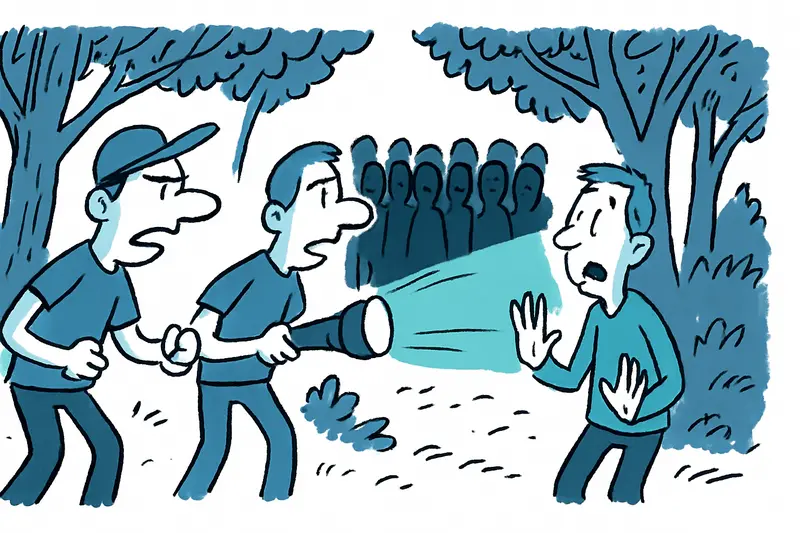
Fear in the Sa Teulera Forest: Youth Groups Harass Cruising Zone in Palma
In the wooded area of Sa Teulera, those affected report verbal attacks, property damage and intimidation. How safe is th...
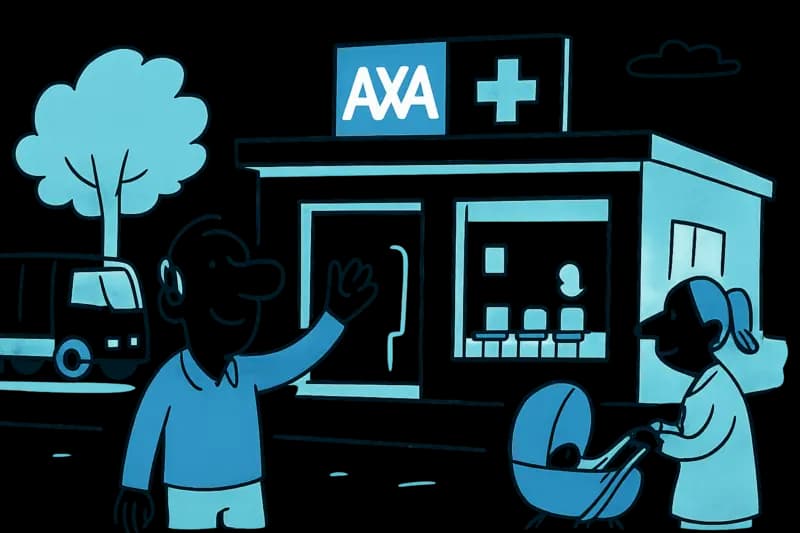
Axa opens first health center in Palma: €3 million, 650 m² and more local access for La Vileta
In the heart of La Vileta, Axa has opened its first own health center in Mallorca. On around 650 square meters and with ...

30 Years of Nit de l'Art: What Palma's Art Night Really Shows — and Conceals
Nit de l'Art celebrated its thirtieth anniversary: full galleries, young visitors — and the quiet tensions between the a...

Hunt for Older Holidaymakers: Arrests after Suspected Pickpocketing in Port d'Andratx and Bellver
Five suspects were arrested after investigators accuse them of targeted pickpocketing of elderly tourists in Port d'Andr...
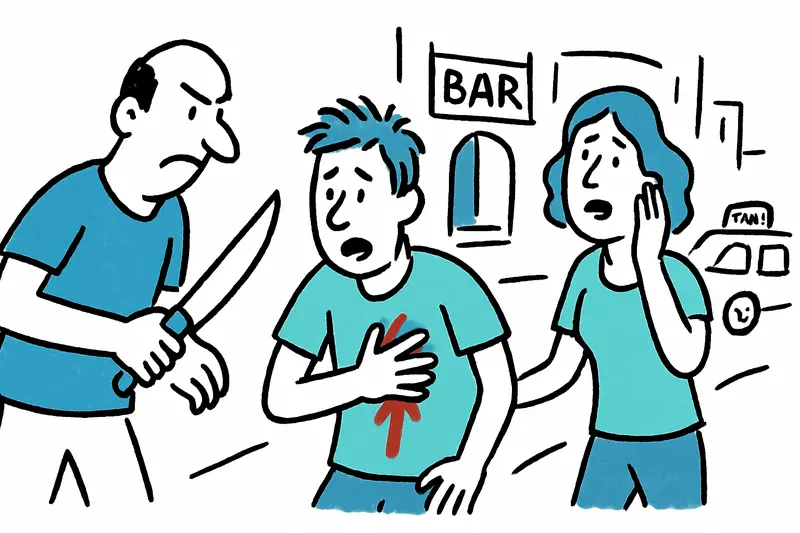
Knife stabbing in Magaluf: Why it must not remain an isolated incident
A 21-year-old tourist was stabbed in the chest in Magaluf and is in life-threatening condition. A reality check: what's ...
More to explore
Discover more interesting content

Can Cap de Bou

Townhouse Lleo 72
