
Renovation at the Pesquero Halted: Who Protects the View of Palma's Old Town?
Renovation at the Pesquero Halted: Who Protects the View of Palma's Old Town?
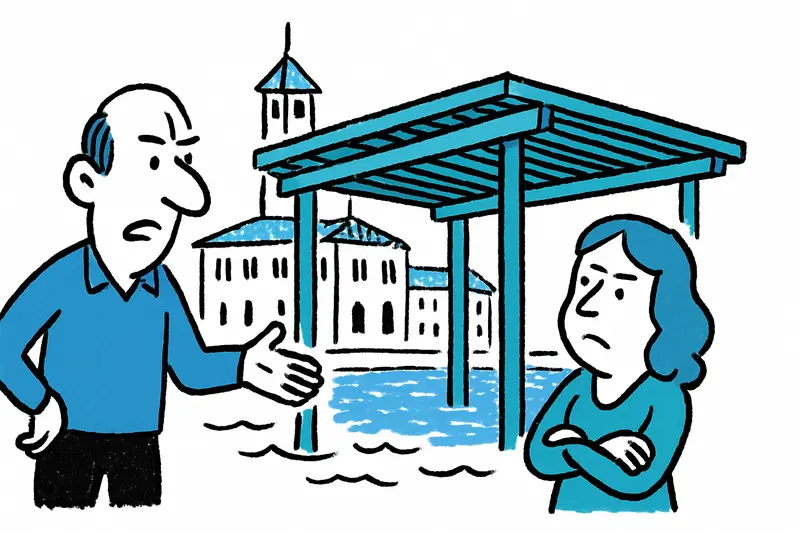
The Old Town Commission rejected the design for remodelling the historic Pesquero at the harbour. The central issue is a large wooden pergola that the commission says would obstruct views of La Lonja and the Consolat de Mar. What is missing from the public debate — and how could things move forward?
Renovation at the Pesquero Halted: Who Protects the View of Palma's Old Town?
Key question
Who does the Old Town Commission's decision really protect: the cityscape — or the fear of change? And can both be reconciled without ending up in mere stalemate?
What happened
The city of Palma rejected the latest design for the comprehensive refurbishment of the traditional Pesquero at the harbour. The sticking point: a large wooden pergola intended to cover the terrace. The Old Town Commission sees this as an obstruction of sightlines to the historic centre, above all to La Lonja and the Consolat de Mar. The harbour authority had already granted the concession; planned investments amounted to around €2.9 million, a dynamic seen also in discussions around the renovation of the Plaza del Mercat.
Critical analysis
At first glance this sounds like a classic conflict: heritage protection versus modernization. In truth, several levels are involved at once. First: the old town has tight visual relationships that are part of the historic experience — that is legitimate protection, a point underscored by incidents such as the collapse at Palma's City Wall. Second: investors and operators face economic consequences; €2.9 million is not pocket change. Third: the decision-making processes themselves do not always seem coherent when the approval of a concession and the simultaneous rejection of a concrete design occur so closely together.
What is missing from the public debate
There is a lot of talk about “stop” or “keep building”, but little about what practical compromises could look like. The debate often remains abstract: sightlines are important — yes. But concrete information is missing on measurements, alternative design solutions or binding guidelines for harbour development in a historic context. The perspective of the staff at the venue and local residents has also been largely absent so far: what are the consequences of a construction halt for jobs, ongoing lease agreements or postponed seasonal preparations?
Everyday scene from Palma
If you walk along the harbour promenade in the morning, you hear the clatter of mooring ropes, the coffee machine of a small café and the distant thump of construction work on the Passeig Marítim. Tourists stop at the railing, photographing La Lonja in the morning light. These brief sequences of light and view once wrote the image of Palma — and that is exactly why the commission reacts sensitively. Nevertheless: an empty scaffold or an unrealised investment also changes everyday life — just in the opposite way.
Concrete solutions
1) Measure and publish sightlines transparently: The city could define binding sight axes and present them publicly — including height profiles and visualisations. Then every planner would know the limits. 2) Adjust materials and heights: A pergola need not be massive; a light, semi-transparent structure or a set-back construction can secure the terrace climate without dominating the silhouette. 3) Temporary and adaptive solutions: Instead of a permanent wooden structure, movable or seasonal coverings could be considered. 4) Moderated dialogue before decisions: A short, mandatory mediation procedure between the harbour authority, the operator, the commission and the neighbourhood could refine designs until a viable compromise is reached. 5) Economic compensation mechanisms: If a protection rule causes unplanned costs, subsidies or longer lease terms could help secure investments.
Why this matters
Palma's harbour is not a museum, but it is not merely an industrial space either. It is a public meeting place, a workplace and a tourist showcase at once. A good compromise preserves the uniqueness of the historic centre while allowing places like the Pesquero to remain alive — without diluting the character of the old town. Otherwise the city risks becoming either an immovable monument or a generic event backdrop.
Conclusion
The halt of the design is no licence for eternal blockage, but it is also no reason to accept every investor blindly. The task lies in a tangible, transparent process: clear sightlines, technically competent revisions and a conversation instead of confrontation. If Palma manages that, La Lonja will remain visible — and the Pesquero will be a lively address at the harbour rather than another example of missed opportunities, similar to the controversies around the halted demolition of Gaspar Bennazar’s house.
Frequently asked questions
What is the weather like in Mallorca in November?
Can you still swim in Mallorca in November?
What should I pack for a trip to Mallorca in November?
Is November a good time to visit Mallorca for walking and sightseeing?
Is Alcudia a good place to stay in Mallorca in November?
What is Palma like in Mallorca during November?
Are beaches in Mallorca open in November?
What kind of holiday is Mallorca in November best for?
Similar News
When the Wallet Becomes a Danger: Attack in Peguera and Lessons for Mallorca
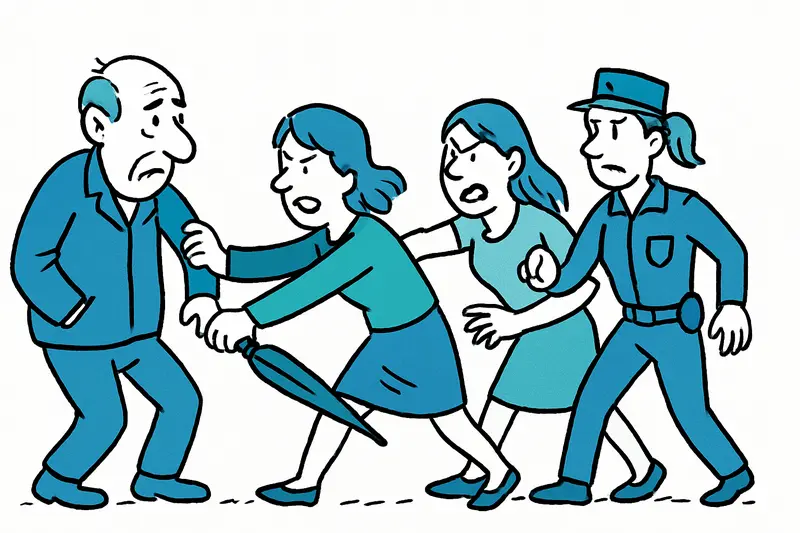
In Peguera, two women are said to have stolen the wallet from a 75-year-old German couple. When the victim intervened, t...
Plata stays Plata: Young people take over, Llonguets remain
A small bar on Carrer de l'Argenteria will continue: Tolo Serra hands the place over to young Mallorcans at the end of t...

Unnoticed in the Luggage Compartment: How a Boy Traveled More Than 100 Kilometers in a Team Bus
A minor traveled in the undercarriage of a team bus for more than 100 kilometers until his cries for help were heard. A ...

Cap Vermell Grand: Second Michelin Key – a Gift for the East
The Cap Vermell Grand in Capdepera has been awarded its second Michelin key. For the region this elevates the luxury off...
Eurowings lets four aircraft carry names – a friendly idea that also reaches Mallorca
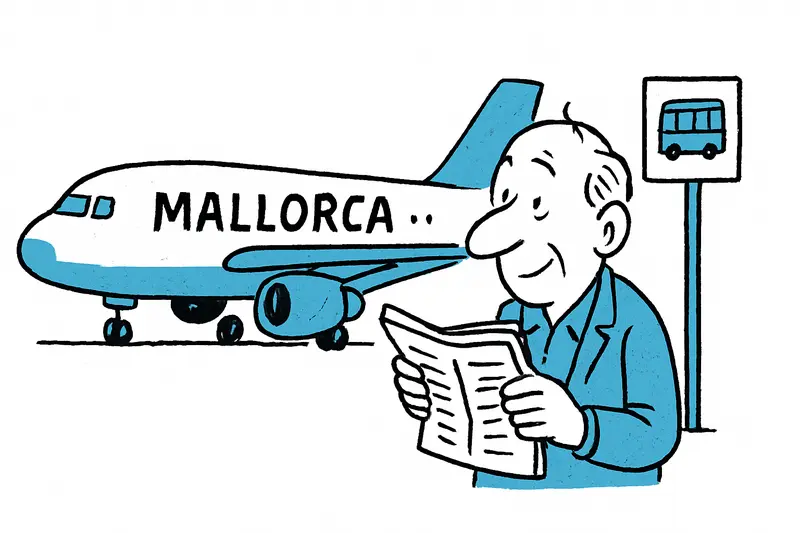
Eurowings is launching a campaign: four Airbus A320s are to carry the first names of people who help others in everyday ...
More to explore
Discover more interesting content

Can Cap de Bou

Townhouse Lleo 72
