
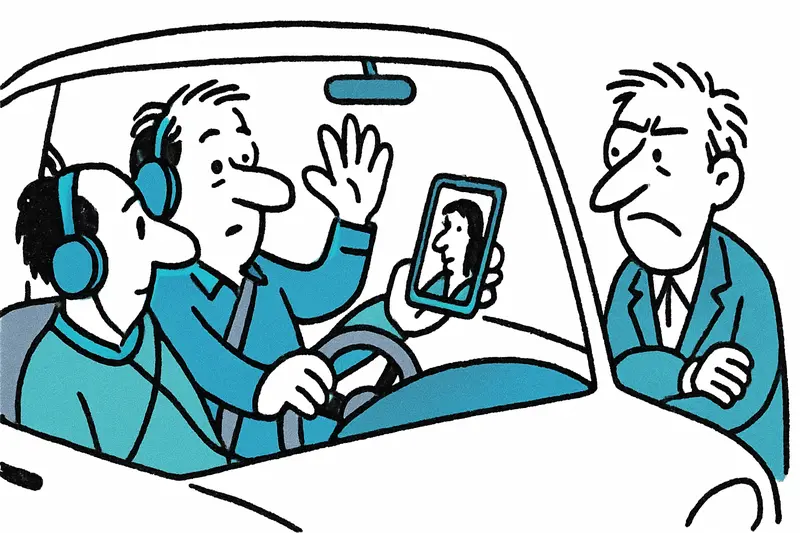
Video calls at the wheel: Petra discusses dos and don'ts for digital meetings
Two municipal councillors followed a meeting by video call while driving. In Petra this sparked outrage, safety concerns and a debate about rules for digital participation.
When the plenary meeting rides along: Petra puts traffic rules and council culture in the spotlight
Late on Monday afternoon, under the quiet heat of the Calle Major and the distant chimes of the church, a small village conversation grew loud. On the local Televisió de Petra channel, neighbours, market visitors and retirees at home watched how two members of the municipal leadership followed an extraordinary meeting on the economic and financial plan via videotelephony — while driving.
The central question
Is that still citizen proximity or already dangerous distraction? This simple guiding question has run through the local debate since the recordings were published in a report titled Conectados al volante: Petra debate qué hacer y qué no en las sesiones digitales. The footage shows hand signals, short interventions and active participation in votes — but also an apparently unfastened seatbelt and headphones while driving. In a municipality of around 2,600 inhabitants, something like that does not stay private for long.
More than a moral faux pas: legal and safety implications
Traffic safety experts warn: video calls while driving are prohibited and carry a high risk, a concern echoed in local reporting such as Drunk Bus Driver Stopped in Petra: Who's Responsible for the Guests' Ride Home?. Not only the hands, but also the eyes and ears are required — and in critical moments full attention is missing. The problem is as much legal as it is everyday: should participation in a meeting that serves democratic legitimation follow rules that go beyond general traffic regulations?
Many municipalities now live stream to create transparency. But the camera makes mistakes visible. When councillors are seen multitasking, it raises questions about professionalism and priorities — especially when budget decisions are at stake.
The political dimension: trust in a small municipality
Més per Petra, the only opposition faction, described the behaviour as disrespectful to the council and to citizens. Such harsh words reflect not only partisan differences but a deeper problem: trust. In a small municipality rumours travel quickly from the bar to the weekly market. An image of two councillors apparently handling important decisions on the side eats away at the feeling of being taken seriously.
The ruling coalition often emphasizes closeness and accessibility. But closeness must not be substituted for presence — certainly not when others' safety is at stake. Many residents still remember times when motions were prepared with pen and paper; that may seem old-fashioned, but for some it is a symbol of reliability.
What has been missing so far
Public debates often focus on personal blame. Three aspects are missing from that debate: clear technical rules for digital participation, transparent internal sanctions for rule violations, and a discussion of the server and data protection consequences of live broadcasts from the road. The question of how to handle exceptional situations (e.g. sudden absence due to illness) fairly and transparently is also seldom addressed.
Concrete proposals — pragmatic and local
Petra does not need grand theory but practical rules. Some proposals that could work in similar places:
- Attendance record and place of participation: Those who participate digitally record the participation medium (fixed installation in the town hall, at home or mobile) in the minutes.
- Ban video from vehicles: Mobile participation should be limited to audio; video transmissions only from fixed, secure locations.
- Minimum technical requirements: Stable connection, microphone without mandatory headphones and a short consent declaration before the meeting.
- Code of conduct and sanctions: A simple code of conduct that provides for warnings or temporary exclusions from meetings in case of violations.
Such rules would restore the balance between transparency and responsibility — and they would be easy to integrate into existing procedures.
A look around the neighbourhood
On market day at the Plaça, between the clatter of shopping baskets and the scent of freshly baked ensaimada, reactions are mixed. Some find digital participation practical — 'If someone is really stuck somewhere, that's better than not being there at all,' says a shopkeeper. Others understand the indignation: 'Politics should take place on site, not on the highway,' says an older couple dryly.
What should happen now
The town administration announced it would review the matter internally. That is a first step. Better would be an open dialogue with the population: a short citizens' assembly or a published protocol with clear rules would achieve more than internal reviews alone. Because in Petra not only words on paper count — images and gestures resonate for a long time.
Petra is small, the streets are narrow and the voices are close. That is precisely why it is worth having clear rules: for road safety, for the form of digital presence and for trust in local politics.
Frequently asked questions
Is it legal to join a video call while driving in Mallorca?
What are the safest ways to take part in a digital meeting in Mallorca?
Can a municipal councillor in Mallorca vote during a video meeting from a car?
Why has Petra in Mallorca been discussing video meetings at the wheel?
What rules should a town in Mallorca set for digital council meetings?
Does live-streaming council meetings in Mallorca make public mistakes more visible?
Why do small towns in Mallorca react so strongly to councillor behaviour?
What practical changes could improve digital meetings in Petra, Mallorca?
Similar News
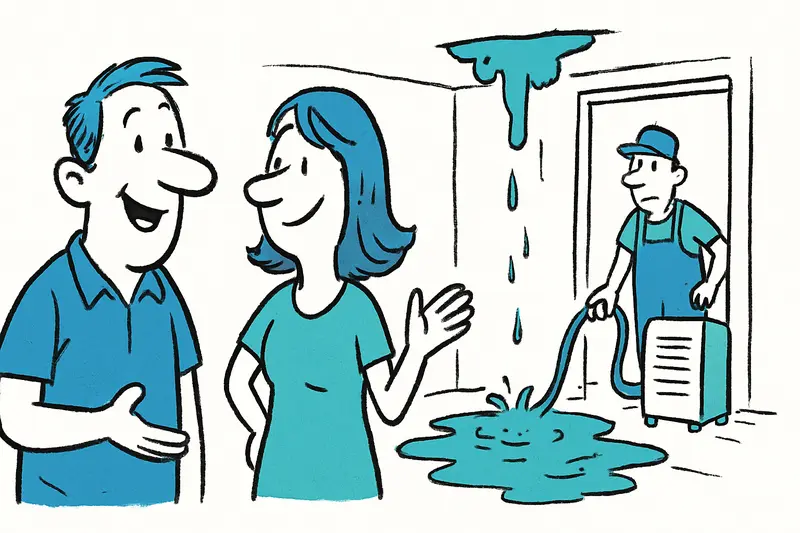
Happy Couple and Water Damage in Mallorca: A Reality Check for Home Buyers
Just moved in, already water under Mallorca's sun: the case of the influencer couple highlights risks often overlooked w...
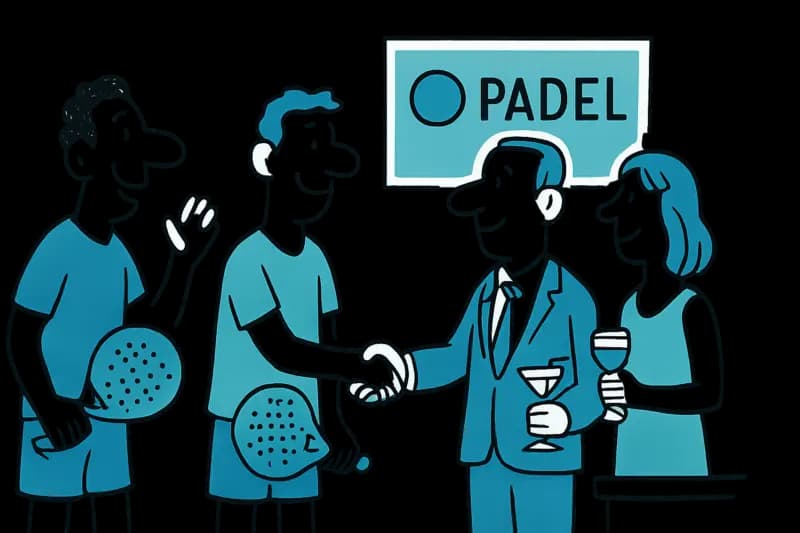
Bendinat as a meeting place: Padel Cup brings together nearly 120 players
Three days of padel at the Bendinat Urban Country Club: organized by El Económico and Borbalán, with around 120 particip...
Large-scale Anti-Tourism Graffiti at Cala Mendia: Protest or Vandalism?
On the morning walkers discovered an approximately 50-meter-long slogan against tourism on the wall above Cala Mendia. W...
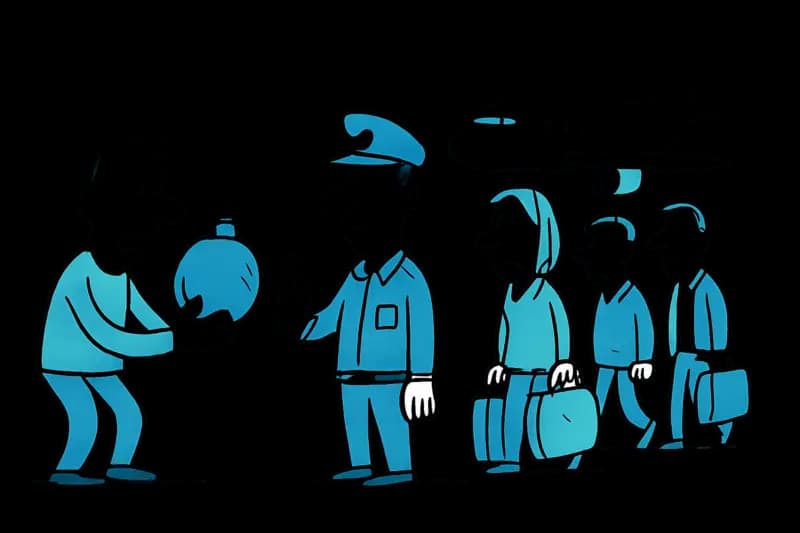
Bomb threat before Jet2 flight in Tenerife: A reality check for security protocols
A passenger reported a bomb in luggage shortly before departure in Tenerife. Evacuation, baggage checks, delays — and ma...
Who is stripping Mallorca's coast bare? Why entire slopes are being removed for villas
On Mallorca steep slopes are again being removed to make way for luxury construction sites. Who bears the responsibility...
More to explore
Discover more interesting content

Can Cap de Bou

Townhouse Lleo 72
