
Pickpocketing in Mallorca: Where You Should Be Especially Vigilant
Pickpocketing in Mallorca: Where You Should Be Especially Vigilant
A holiday on the island can quickly turn unpleasant when thieves strike. We ask: Where are the greatest dangers and what is missing in prevention? A reality check with concrete tips from Palma and other hotspots.
Pickpocketing in Mallorca: Where you should be especially vigilant
A reality check: Who is affected, where does it happen — and what is not being done enough?
Guiding question: How can tourists and locals really protect their valuables when thieves systematically strike where people are inattentive?
On the Paseo Marítimo in Palma, when ferries dock and market vendors' voices mix with the honking of boats, the atmosphere is relaxed. That's exactly what pickpockets exploit: they work quickly, in groups and often where many people flow together. The opportunity is also great on heavily visited city beaches or on crowded bus lines. The National Police (Policía Nacional) repeatedly point out that organized gangs run seasonal operations on Mallorca, as explored in reports about organized watch robberies in the Balearics.
Critical analysis: The security situation is not a sudden phenomenon but a pattern. Thieves operate where distraction, density and tourists with light luggage come together – beach loungers, EMT bus stops, the administrative checkpoints at the airport. Arrests have been made locally, for example at beaches on the east coast (Cala Millor and Sa Coma) or on city buses. But measures are often reactive: increased deployment after an incident, then back to normal. Prevention is lacking in several areas.
What is missing in the public discourse: clear, practicable rules of conduct for everyday life on the island that go beyond the usual "do not leave valuables unattended". There are hardly any uniform notices at busy stops or beach accesses in several languages. There is also often no visible presence of civilian information points that immediately tell tourists where to file a report or how to block stolen cash and cards.
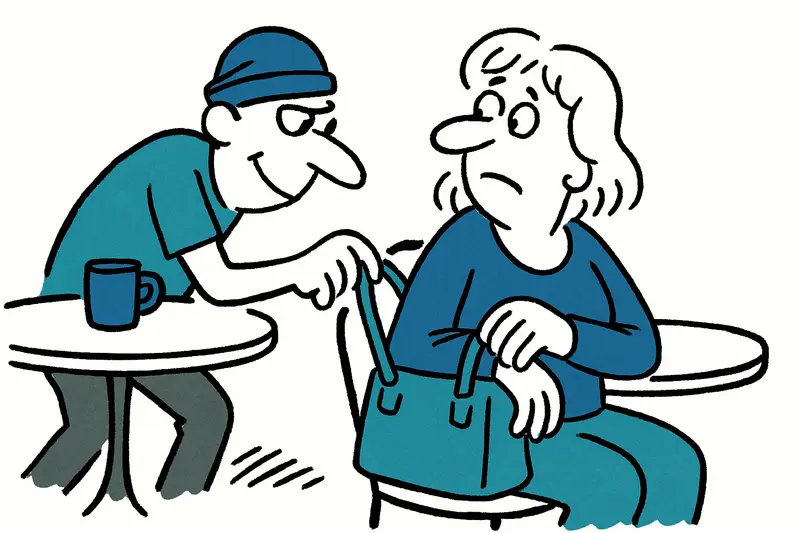
Everyday scene from Mallorca: Monday morning in Cala Mayor, the fishing boats still rock slightly, cafés fill up. An elderly woman hangs her shopping bag on the chair to briefly go to the kiosk. Seconds later the bag is gone. Or a family at Playa de Palma: children splash, the parents sunbathe – the smartphone on the towel is enough to leave holidaymakers suddenly bewildered. Such scenes are as familiar here as the smell of fried fish in the air.
Concrete approaches:
1) Visible prevention: More information boards at beaches, bus stops (especially on lines with high tourist numbers) and at the airport with clear steps to take in several languages: secure documents, block cards, where to file a report.
2) Practical hotel security: Hoteliers should actively speak to guests at check-in: Where is the in-room safe, how does it work, what local risks currently exist? Small reminder cards in the room are more effective than general notes in the fine print.
3) Coordination between authorities and the tourism sector: Police, municipal authorities and tourism associations can set up local rapid-warning systems: if a beach experiences a spike in incidents, lifeguards, landlords and bus drivers should be informed.
4) Easier reporting processes: Many victims avoid going to the station because the procedures seem unfamiliar. Mobile reporting kiosks at tourist hotspots or digital forms with German/English guidance would reduce the effort.
5) Personal protective measures: Use hotel safes, wear bags across the body, avoid back pockets for valuables and keep photos of documents stored separately. Waterproof pouches for phones in the sea are a useful aid when swimming alone; for more practical, on-the-ground advice see Stay Safe: How to Avoid Pickpocketing in Mallorca.
Conclusion, pointed: Mallorca is not a no-go zone, but those who treat the island like home – inattentive and careless – often pay the price. It's not enough to just warn about theft; we need visible, simple measures and more cooperation between businesses and authorities. Otherwise many people's holiday will remain in memory – as frustration, not relaxation.
Practical tip to finish: Report every theft. Not only for your chances of getting something back, but so that authorities and businesses gain a realistic picture of the situation and can act preventively.
Frequently asked questions
What is the weather usually like in Mallorca in spring?
Can you still swim in Mallorca outside the summer season?
What should I pack for Mallorca if the weather is changeable?
Is Mallorca a good place to visit in autumn?
What is Palma de Mallorca like for a day trip?
Is Sóller worth visiting in Mallorca?
What is Port de Pollença like for a holiday in Mallorca?
What are the best things to do in Mallorca when it is too cool for the beach?
Similar News
When the Wallet Becomes a Danger: Attack in Peguera and Lessons for Mallorca
In Peguera, two women are said to have stolen the wallet from a 75-year-old German couple. When the victim intervened, t...
Plata stays Plata: Young people take over, Llonguets remain
A small bar on Carrer de l'Argenteria will continue: Tolo Serra hands the place over to young Mallorcans at the end of t...
Unnoticed in the Luggage Compartment: How a Boy Traveled More Than 100 Kilometers in a Team Bus
A minor traveled in the undercarriage of a team bus for more than 100 kilometers until his cries for help were heard. A ...

Cap Vermell Grand: Second Michelin Key – a Gift for the East
The Cap Vermell Grand in Capdepera has been awarded its second Michelin key. For the region this elevates the luxury off...
Eurowings lets four aircraft carry names – a friendly idea that also reaches Mallorca
Eurowings is launching a campaign: four Airbus A320s are to carry the first names of people who help others in everyday ...
More to explore
Discover more interesting content

Can Cap de Bou

Townhouse Lleo 72
