
When the Plane Jolts: Staying Calm on Flights to Mallorca
When the Plane Jolts: Staying Calm on Flights to Mallorca
Turbulence is unpleasant, rarely dangerous. Practical tips for flights to and from Mallorca: seat selection, seatbelt signs, time of day, breathing techniques and preparations.
When the Plane Jolts: Staying Calm on Flights to Mallorca
Why small air pockets are no reason to panic and how to make your flight more relaxed
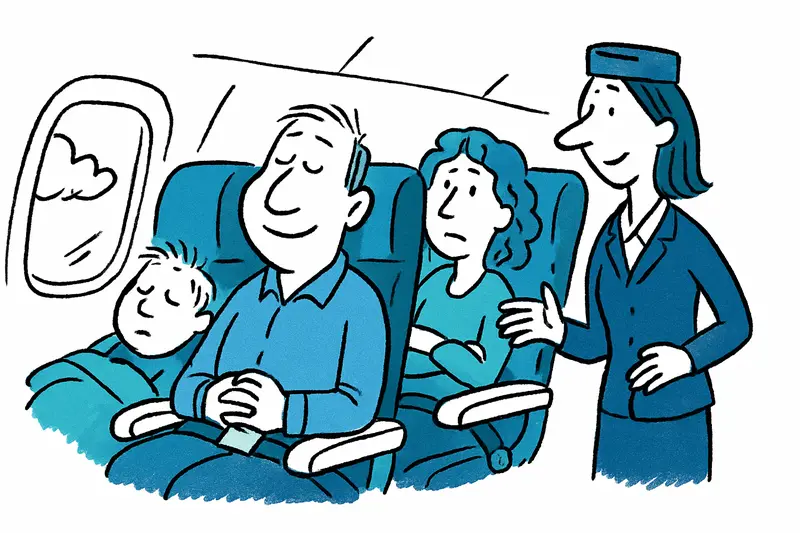
Early in the morning at Palma airport you often see it: people with suitcases, a child who is still asleep, the seagulls over the Passeig Mallorca — and the quiet conversations about what many secretly fear: the jolting in the airplane. In the coming weeks, when weather changes become more frequent, many will recall that tight feeling when the plane suddenly dips or twitches. Good to know: it is unpleasant, but in the vast majority of cases harmless.
Thermals, rising warm air and sharply defined cloud fields cause movement in the air layer where short- and medium-haul aircraft operate. Thunderstorm cells and air layers that flow along mountain ranges like the Serra de Tramuntana also play a role. That means: if you fly in the morning or late evening, you often have calmer conditions than at the hottest time of day.
A few simple things that really help: Keep your seatbelt fastened as long as the sign is on or the cabin crew recommends it. Sit, if possible, over the wings — fluctuations are less noticeable there. Stow your hand luggage securely in the bins or under the seat so nothing can fly around. If your heart beats faster, conscious breathing helps: inhale slowly for four seconds, exhale for six seconds — this calms the body.
Before departure it is worth checking weather information and flight forecasts. There are websites and apps that show weather and turbulence data for planned routes; use those services before boarding, because flight mode on board limits usage. If you are very sensitive, choose an early morning flight and book a seat in the middle of the fuselage — this is a simple, practical precaution.
Regarding local procedures: pilots and cabin crew receive weather warnings and are trained to fly around turbulence zones or to inform passengers in time. Arriving aircraft at Palma airport are regularly attended to by ground staff; small delays are often the result of sensible safety measures — more on local impacts can be found in Storms in Palma: Why Takeoffs and Landings Are Stalling — and What Helps Now. Recent reporting, such as Aborted Takeoff in Basel: Panic on Board – and What It Means for Mallorca Travelers, also illustrates how crews and procedures prioritise safety in unexpected situations.
For people with strong fear of flying, additional measures can be useful: talk to your GP before the trip, use simple relaxation exercises, distract yourself with music or podcasts, and bring a familiar water bottle and a small snack. Frequent flyers build trust gradually through experience — seeing the island again, the sea and the familiar corners of Palma often has a calming effect.
From a Mallorcan perspective, education about this topic is important: when guests arrive more relaxed, everyday life runs more smoothly and hotels, restaurants and shops benefit. A relaxed flight is a good start for a visit to the towns and villages, for walks at Portixol or for a coffee on the Passeig del Born.
My practical tip: plan your journey to the airport so you arrive without stress; trade nervous looks for a short chat with the person next to you or a piece of music that does you good. Breathe, look out the window at the softly drawn hills of Mallorca — and remember: the onboard technology and the training of the crew are designed to get through such phases safely. For practical check-in and hand-luggage advice, see Arrive relaxed at the airport: How to start your Mallorca holiday calmly.
Outlook: the more travelers know simple precautions, the less uncertainty remains. A little preparation changes a lot. And once you have landed calmly above the clouds, you will discover the island with more open eyes — ready for the first steps through Palma, the narrow alleys of Sineu or a late sunset on the west coast.
Ready to travel? Pack calmness — and enjoy Mallorca.
Frequently asked questions
What causes turbulence on Mallorca flights and is it dangerous?
How can I stay calm during a flight to Mallorca?
Should I check weather and turbulence before boarding a Mallorca flight?
What’s the best seat on a Mallorca flight if I’m nervous about turbulence?
What should I pack to cope with flying anxiety when heading to Mallorca?
What should I do if I have a strong fear of flying before a Mallorca trip?
How does a relaxed flight mindset affect a Mallorca visit and local hospitality?
What practical steps can I take to arrive at Palma airport calmly for a Mallorca trip?
Similar News

Rats in Llucmajor: How Uncollected Garbage Became a Health Problem
In Llucmajor, uncollected trash bags, overflowing containers and rain are leading to increased rat sightings. An assessm...
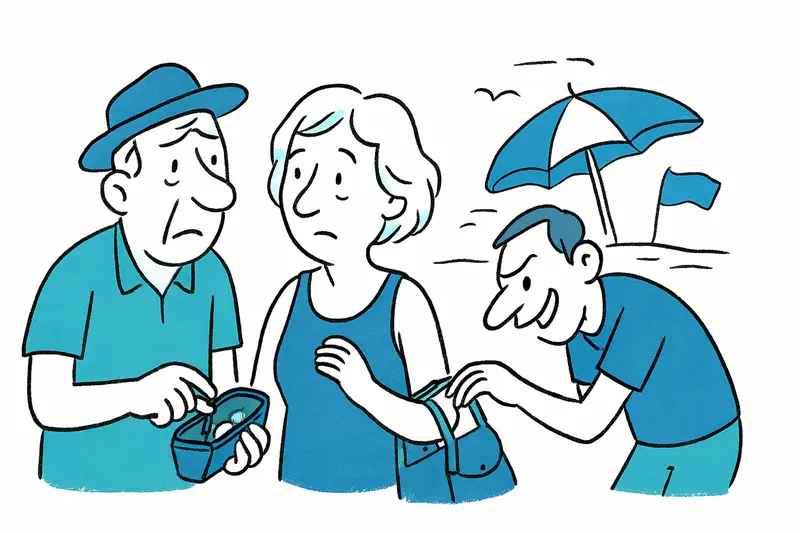
Sly Distraction Scam at Ballermann: How Tourists Became Targets — and What Must Be Done Now
Five suspected pickpockets were arrested. Their method: distract, secure the loot, return the wallet — without the cash....

Eviction in El Arenal: Who protects neighbors — and who protects the homeless?
A vacant hotel on Carrer Girona was cleared and secured. The neighborhood breathes a sigh of relief. But the action trea...
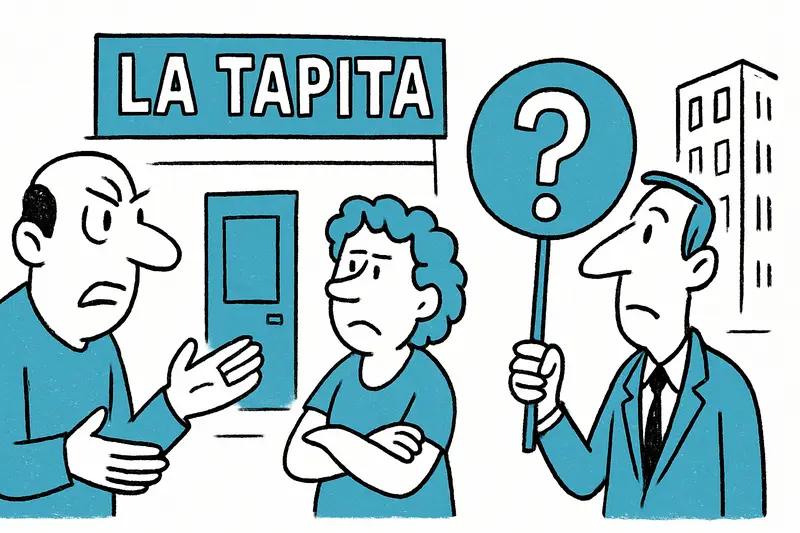
'La Tapita' loses its home: Who will protect Palma's last affordable meeting places?
The bar 'La Tapita' on Simó-Ballester Street will close at the end of December. For neighbors, police officers and small...

Million Heist at Bulgari: Who Is Responsible for Palma's Security Gaps?
Three men stole jewelry worth around one million euros – the crime series began at the end of September and was likely c...
More to explore
Discover more interesting content

Can Cap de Bou

Townhouse Lleo 72
