
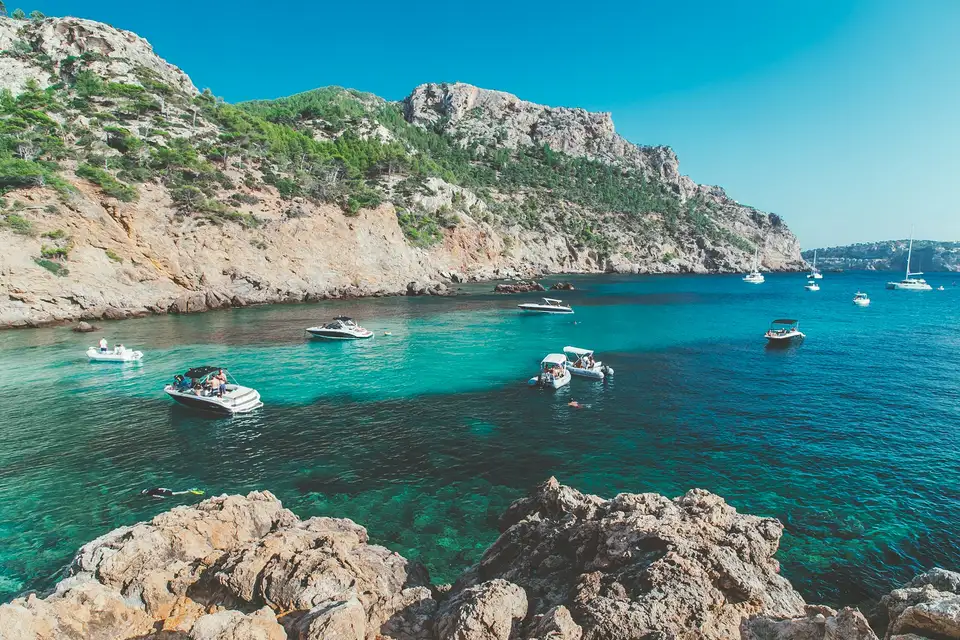
Plastic Beneath the Surface: Rays in Garbage Fields off Palmanova
A video by a Mallorcan diver shows: Plastic debris accumulates among the Posidonia meadows off Palmanova — a ray swims through the waste. Why the problem often remains invisible and what concrete measures can be taken now.
Plastic Beneath the Surface: Rays in Garbage Fields off Palmanova
Key question
How can it be that in a popular bathing area like Palmanova Posidonia and marine life live among plastic waste without many beach visitors suspecting anything?
What the footage shows
A Mallorcan diver, known as "Es Canari" (Ramón Javier Fernández Barea), published a short video from one of his dives off Palmanova that triggers both recollection and shock, similar to What Lies Beneath Mallorca's Coast: Trash Slipping Out of Sight: Footage shows a seagrass meadow in which plastic debris and other waste have become trapped. A ray moves slowly through the mixture of sand, blades of seagrass and pieces of plastic. The images feel incompatible with the picture of clear summer bays many tourists have in mind.
Critical analysis: Why the trash remains below the surface
Beach cleaning focuses visibly on sand and the shoreline; what happens a few metres deeper is invisible to most. Posidonia fronds easily catch floating particles, which is why packaging, bottles and small plastic pieces accumulate there, as explained in Posidonia on the Beach: Why the Brown 'Leaves' Aren't Trash. In addition, at popular anchoring spots remnants from boats and day-trippers can end up in the water. Responsibilities are fragmented: beach maintenance, boat operators, harbour authorities and municipalities share the area — but no one really takes visible responsibility for the problem.
What is missing in public discourse
The debate often stays on the surface: clean sandy beaches are good for PR, underwater images are lacking. There is a lack of systematic mapping of pollution hotspots, transparent figures on amounts of underwater debris collected, and clear rules for anchoring zones in Posidonia areas — and even public reporting is scarce, despite pieces such as 6.5 Tons of Waste in July: Why Mallorca's Coasts Keep Struggling. Tourist information points and beach signage rarely explain the role seagrass meadows play for fish, juveniles and coastal protection — and how sensitive these habitats are to plastic.
An everyday Mallorca scene
Imagine the promenade of Palmanova on a late summer day: ice-cream vendors shout, scooters hum over the asphalt, families with parasols stroll to the water. Hardly anyone looks at what lies a few metres below the shimmering surface. Early in the morning a few fishers pull their nets, a dive instructor prepares his tank — and a few metres away lies what the diver documented: packaging and fragments where the Posidonia holds them.
Concrete solutions
- Hotspot mapping: Local authorities should work with dive groups and conservation organisations to systematically map polluted sites. Volunteer dive clean-ups provide reliable data, as shown by With Fins and a Net: How a German Freediver Keeps Mallorca's Coasts Clean.
- Harbour facilities: Marinas and anchoring areas need clearly visible waste collection points and mandatory information for skippers to dispose of their rubbish on land. Better controls at popular day-berths would prevent much of the problem.
- Mooring and anchoring rules: Anchoring bans or designated mooring buoys over Posidonia beds can prevent loose items from getting trapped in the seagrass. Transparent rules instead of tacit practice.
- Beach information: Signs and multilingual leaflets at busy beaches should explain the importance of Posidonia and ask visitors to be considerate. Visible education lasts longer than short-term appeals.
- Fines and enforcement: Authorities must penalise illegal waste disposal more consistently; seasonal checks could be strengthened by harbour and environmental teams.
- Citizen participation: Simple reporting systems via app or hotline for divers and residents can make pollution more visible and help coordinate action.
What divers and residents can do immediately
Divers can report locations with GPS, remove small amounts of waste (if safe) and connect with local environmental networks. Residents and hospitality businesses can reduce near-beach litter by providing better bins on promenades and offering information in several languages.
Conclusion
The video footage from Palmanova is a wake-up call: beneath the glittering surface lies a problem that cannot be solved by cleaning only the visible shore. Protecting Posidonia requires deeper thinking — literally. Concretely this means: more visibility, clear rules for boats, organised disposal and real monitoring. Without such measures, there is a risk that marine animals like the ray shown will continue to swim in carpets of plastic.
Frequently asked questions
What is Posidonia and why is plastic pollution a concern for Mallorca’s seagrass beds?
How does plastic end up below the surface near Palmanova?
What practical steps can visitors take to reduce underwater litter in Mallorca?
What policies could help protect Posidonia around Mallorca?
What role can divers play in documenting pollution near Mallorca?
Why are anchoring practices important for Posidonia in Mallorca’s bays?
How can Mallorca’s communities respond to underwater litter more effectively?
How can tourists be educated about Posidonia while visiting Mallorca?
Similar News
Es Fogueró: Glamour, Graffiti and the City's Neglect
The dilapidated Es Fogueró arena in Port d'Alcúdia is today simultaneously an open-air gallery, emergency shelter and da...
Counter Escalates: Resident Discount Triggers Violence at Son Sant Joan Airport
At Son Sant Joan Airport, a dispute over the resident discount turned into a physical altercation: a passenger struck a ...

Brawl on Schinken Street: When a Glass Dispute Mirrors the Underlying Problem
A physical altercation over taken drinking glasses at Playa de Palma escalated at the end of August. What the incident r...
From Iris Jet to Filo Jet: A Catamaran with a Dark Past and What Mallorca Must Learn
The catamaran that sank off northern Cyprus once operated as the Iris Jet between Mallorca (Cala Rajada) and Menorca in ...
Water, Horses, Outrage: Who Bears Responsibility in Palma's Carriage Dispute?
A dispute about thirsty horses, a video and a determined tourist: the incident in Palma raises questions about the respo...
More to explore
Discover more interesting content

Boat Tour with BBQ along Es Trenc Beach

Private transfer from Mallorca Airport (PMI) to Pollensa
