
Playa de Palma: Counterfeit DFB Jerseys — a Symptom, Not an Isolated Case
Playa de Palma: Counterfeit DFB Jerseys — a Symptom, Not an Isolated Case
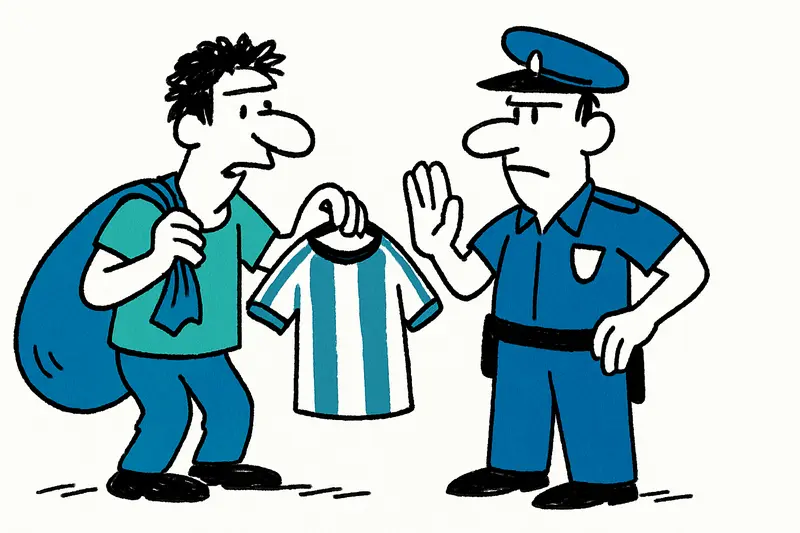
During a check at Playa de Palma, local police confiscated 76 suspected counterfeit jerseys, many bearing German players' names. Why is street vending booming ahead of the World Cup — and what's missing to truly solve the problem?
Playa de Palma: Counterfeit DFB Jerseys — a Symptom, Not an Isolated Case
Central question
Why are alleged imitations of national team jerseys selling en masse in beach areas like Playa de Palma just before the football World Cup — and what gaps in enforcement and prevention do these actions reveal?
What happened
At the end of May the local police stopped a man on a bicycle in Calle Llaüt whose luggage they judged to be a traffic hazard. In two bags and a backpack officers found 76 garments that, according to the police assessment, constitute trademark infringements. Many of the jerseys bore the names of well-known players, including Jamal Musiala. The suspicion: trade in counterfeit fan items; the goods were confiscated and secured in a depot. This incident has been covered in recent reporting such as Raid at Playa de Palma: Nearly 6,000 Counterfeits — What’s Really Behind It. The suspected seller was not detained; proceedings are underway against him for alleged violations of commercial property rights.
Critical analysis
Such checks always show only the tip of the iceberg, as reported in Raid at Ballermann: Does the Operation Clean the Souvenir Market or Shift the Problem?. Street vending at tourist hotspots is a business model: low fixed costs, quick buyers, hard-to-trace supply chains. At the same time, demand for apparent “bargains” meets supply from the informal, often cross-border market. Authorities can halt individual sellers — the problem does not disappear. Instead, trade shifts, using other corners of the promenade or online channels.
What is missing from the public debate
The discussion usually focuses on the legal aspect — trademark protection versus counterfeiting — and on ad-hoc police operations. Rarely is it asked how the products arrive here, who organizes the logistics and what role local intermediaries and tourist demand play; a broader investigation provides context in Big Blow Against Product Counterfeiting: What Mallorca's Role Really Reveals. Also underexposed is the social and economic situation that drives many vendors and whether consumers are truly informed about risks (e.g., faulty textiles, unclear return options, no warranty).
Street scene
On a hot midday at Playa de Palma: seagulls screech above the sunbeds, German conversations in small groups, children playing in the sand, a cyclist turns into Calle Llaüt with two heavy bags — police stop, take notes, seize the goods. The scene is familiar: holiday, an after-work beer, and among it vendors with plastic bags full of jerseys that look like originals but usually lack manufacturer authorization. For many tourists it's an impulsive purchase — a souvenir that may be forgotten by the evening.
Concrete solutions
1) Short term: combine targeted checks at known hotspots with clear communication to hotels, landlords and tour operators — multilingual notices that buying counterfeit goods carries legal and health risks. 2) Medium term: better data and information sharing between local police, Guardia Civil, customs and brand owners so supply chains become more traceable. 3) Prevention: information campaigns for tourists (flyers at airports, notices at check-in), complemented by visible sanctions against larger traders and buyers. 4) Social perspective: explore alternatives for livelihoods — regulated sales points with clear permits, microloans for legal small businesses, local markets with oversight. 5) Disposal: rules for confiscated goods and cooperation with brands on environmentally responsible destruction or recycling, so the unloading does not take place elsewhere.
Why this matters for Mallorca
Counterfeit fan items are more than a nuisance for brand owners: they shape visitors' perception of the island. Mallorca depends on tourism, and trust matters. If holidaymakers are regularly offered “fakes” when buying souvenirs, it undermines quality and the livelihood of legitimate local retailers.
Concise conclusion
Checks like the one in Calle Llaüt are necessary but not sufficient: ignoring demand, supply chains and social causes will only shift street trade — not end it. A sensible approach requires order, information and perspectives for the people who would otherwise keep unpacking their goods on the promenade.
Frequently asked questions
What kind of weather should I expect in Mallorca in May?
Can you swim in Mallorca in May?
Is Mallorca a good place to visit in May for outdoor activities?
What should I pack for Mallorca in May?
What is Port de Sóller like in spring?
Is Mallorca busy in May?
What is Palma de Mallorca like in May?
When is the best time to visit Mallorca for mild weather?
Similar News

Ryanair Flight Diverted to Barcelona: An In-Flight Emergency and the Questions That Follow
A Ryanair jet from Pisa to Málaga landed in Barcelona after a passenger became acutely ill. Why these cases need more at...
Alarm in Port de Pollença: What now for the polluted bay?
Hundreds of people protested on the beach of Port de Pollença. The environmental organization Arrels Marines demands a p...

Micaela Schäfer: Between Playa de Palma and a Berlin Law Firm — New Calm, an Old Tomcat and Solid Finances
The party artist from the Ballermann scene appears surprisingly down-to-earth: a new relationship with a Berlin lawyer, ...
At Playa de Palma: Fire in Residential Building – six people rescued on the roof, what is missing in prevention?
In the evening a fire broke out on the first floor of a five‑storey building on Calle Trasimé. Six residents fled to the...
New License Requirement for Mini-Boats in Mallorca: Protection Measure or Tourism Brake?
From October 1 renters of small recreational boats in the Balearics must present a boating license. Critical questions r...
More to explore
Discover more interesting content

Boat Tour with BBQ along Es Trenc Beach
Private transfer from Mallorca Airport (PMI) to Pollensa
