
The Beach Price Gap: Why Sunbeds and Umbrellas on Mallorca Cost So Differently
The Beach Price Gap: Why Sunbeds and Umbrellas on Mallorca Cost So Differently
Between 5 and 44 euros per day: Why the amounts paid for sunbeds and umbrellas vary so much depending on the beach in Mallorca — and what travelers and municipalities could do.
The Beach Price Gap: Why Sunbeds and Umbrellas on Mallorca Cost So Differently
Between 5 and 44 euros per day: who pays for what — and who understands it?
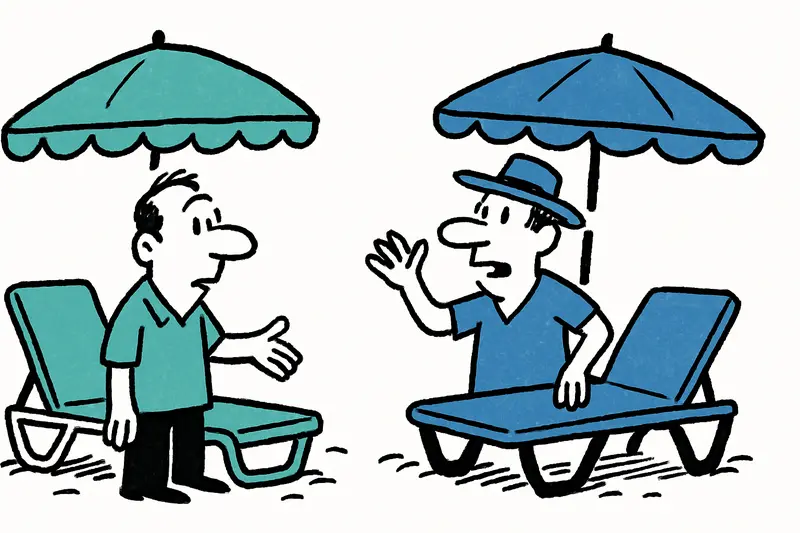
Early in the morning, when delivery trucks rumble along the paseo at Playa de Palma and the first vendors unfurl their sun umbrellas, one thing becomes obvious straight away: not all sunbeds are the same — and the same goes for prices. On Mallorca, daily rental rates range from inexpensive five euros per sunbed or umbrella to package offers that add up to 44 euros per day. A simple question arises: why do you sometimes pay almost nine times as much for something that at first glance looks identical?
In short: location, amenities and sales model. In quiet coves like parts of Son Servera, single sunbeds and umbrellas cost around 5 euros per day. By contrast, providers in other locations charge significantly more for complete packages — there are often two special sunbeds, a sun umbrella and a safe included, which for some guests means 44 euros a day. On Playa de Palma there are mixed forms: a single sunbed with an umbrella and a safe costs about 20 euros, two sunbeds in a package around 30, as covered in Why Palma is raising beach prices — who ultimately pays the surcharge?. In the northwest and northeast you find prices like 21 euros for two sunbeds plus umbrella in Port de Pollença or 18.20 euros for an online-reserved complete offer in Port d’Alcúdia.
And there are intermediate values: in Calvià a single sunbed or umbrella is about 6.50 euros, in Porto Cristo (Manacor) around 10.50 euros, while Cala Anguila or Cala Romántica are cheaper again at roughly 5.50 euros. In Peguera there are more luxurious options such as a Balinese daybed — about 30 euros during the day, around 15 euros from late afternoon.
This variety has good reasons: wider promenades, larger hotels, tourist demand, peak season and proximity to hotspots push prices up. Some providers advertise extras — safe, towel service, thicker cushions or particularly wide “premium” sunbeds — and thus justify higher rates. At the same time, the option of online reservation plays a role: those who book in advance sometimes pay less, but also incur fees.
What is often missing from public debate is a clear focus on transparency and comparability. People do talk about high and low prices, but rarely about how these figures are composed, which fees are hidden or how consumers are informed. Many beaches lack visible, easy-to-read price boards at the access points; on some websites you find packages, on others you have to negotiate with staff on site, as detailed in When the Beach Stays Empty: How Mallorca's Sunbed Renters and Chiringuitos Are Fighting to Survive.
A scene that illustrates this: around 10 a.m. at Cala Romántica. A German couple stretches their hand into the warm sand, look at a sign with prices, shrug and walk on. At the kiosk a retiree discusses the correct air pressure for the beach loungers. Seagulls screech, tourists ask for a plug-in safe — and the vendor quickly counts the sunbeds available for the day.
Concrete proposals so that a beach visit does not become a lottery: first, require all beach operators to publish visible price lists at access points and online; second, provide a standardized breakdown of packages (e.g. “Basic” = sunbed, “Comfort” = sunbed+umbrella, “Premium” = sunbed+umbrella+safe/service); third, create a central overview by municipalities or the tourism authority that collects daily prices in real time and makes them comparable; fourth, stronger inspections to ensure advertised services (safe, clean cushions) are actually provided; and fifth, more free beach sections without fees so visitors have a real choice.
Implementation must happen locally: municipalities can introduce transparency requirements, tourism bodies should consolidate price information per beach, operators benefit from clear rules because complaints fall and trust grows, as authorities respond to reports in Empty Sunbeds, Tight Coffers: Mallorca's Beach Economy Under Pressure. Practical tip for holidaymakers: compare prices on site, insist on price lists and read the fine print when booking online.
Conclusion: the price range of about 5 to 44 euros is more than a numbers game — it reflects different business models, locations and service promises. Those who are informed are less likely to overpay. A bit more openness at beach entrances, a few clear rules and a central price overview would avoid many misunderstandings and help return the typical Mallorca morning at the beach to its relaxed lightness.
Frequently asked questions
When is the best time to visit Mallorca for good weather?
Is Mallorca warm enough for swimming outside the summer months?
What should I pack for Mallorca in spring or autumn?
What can you do in Mallorca when it is too hot for the beach?
Is Palma a good place to stay for a first trip to Mallorca?
What is Sóller like for a holiday in Mallorca?
Is Alcúdia a good area for families in Mallorca?
Do you need a car to get around Mallorca?
Similar News
When the Wallet Becomes a Danger: Attack in Peguera and Lessons for Mallorca
In Peguera, two women are said to have stolen the wallet from a 75-year-old German couple. When the victim intervened, t...
Plata stays Plata: Young people take over, Llonguets remain
A small bar on Carrer de l'Argenteria will continue: Tolo Serra hands the place over to young Mallorcans at the end of t...
Unnoticed in the Luggage Compartment: How a Boy Traveled More Than 100 Kilometers in a Team Bus
A minor traveled in the undercarriage of a team bus for more than 100 kilometers until his cries for help were heard. A ...

Cap Vermell Grand: Second Michelin Key – a Gift for the East
The Cap Vermell Grand in Capdepera has been awarded its second Michelin key. For the region this elevates the luxury off...
Eurowings lets four aircraft carry names – a friendly idea that also reaches Mallorca
Eurowings is launching a campaign: four Airbus A320s are to carry the first names of people who help others in everyday ...
More to explore
Discover more interesting content

Can Cap de Bou

Townhouse Lleo 72
