
Playa de Palma's Problem with Bottle Vendors: What Remains After the Police Operation?
Playa de Palma's Problem with Bottle Vendors: What Remains After the Police Operation?
During night checks at Playa de Palma the local police confiscated nearly 900 drinks, destroyed them and filed 40 reports. An overview of what the operation reveals — and what is missing from the debate.
Playa de Palma's Problem with Bottle Vendors: What Remains After the Police Operation?
Key question: Is taking away drinks enough to solve the problem of illegal alcohol sales and nighttime drunkenness at Playa de Palma?
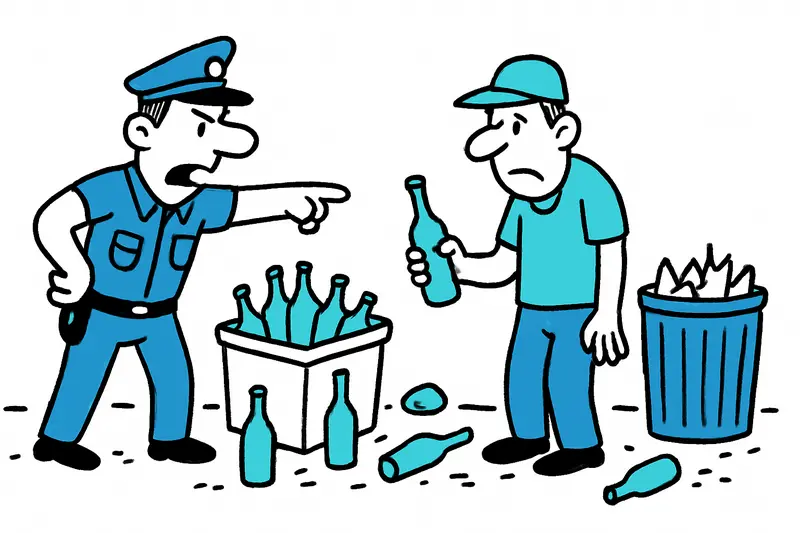
On the night of May 20–21 the Palma local police confiscated almost 900 drinks during checks at Playa de Palma and had them destroyed on the spot. Around 40 reports were filed and an uninsured e-scooter was seized as evidence. Those are the sober numbers of an operation (Raid at Ballermann: Does the Operation Clean the Souvenir Market or Shift the Problem?) that will make headlines again in the coming days. But numbers alone say little about causes and consequences.
Critical analysis: The operation is desirable because openly illegal trading and disturbances of the night must not be tolerated. At the same time, mere confiscation feels like a bandage on an open wound. Anyone standing on the promenade at night sees delivery boxes, bags with cheap drinks, groups sitting on the ground — the scene is commonplace during the warm months. The problem has several facets: demand, supply, enforcement and urban infrastructure.
What is often missing in the public debate is an honest engagement with the demand for cheap drinks and careless night-time behaviour. The supply chains are rarely discussed either: Where do the bottles come from? Who organises the street sales? (Playa de Palma: When Vendors Stop an Arrest — What System Is Behind It?) The police action hits the sellers and destroys goods but does not answer how these drinks end up on the promenade at night in the first place. The role of tourism offers that attract visitors with low drink prices is also barely debated.
Everyday scene from the Playa: It is shortly after midnight, the waves are breaking, neon signs still flicker, a garbage truck rumbles by and two young people rummage for a phone in a group on the pavement. An e-scooter rings at the corner, voices grow louder, bottles clink, someone laughs too loudly. The police arrive with flashlights, the scene disperses (Tumults at Playa de Palma: When Controls Threaten the Beach Scene). The next morning municipal cleaning crews sweep up the bottle remains. Same promenade, different tempo, different assignment — that is the daily loop.
Concrete solutions that go beyond confiscations: first, stricter controls of goods deliveries during nighttime hours to cut off supply routes; second, binding rules and inspections for temporary sales, with clear licensing and identity checks for sellers; third, preventive measures such as well-lit, monitored disposal points and additional public toilets so drinking binges do not spill over onto public spaces; fourth, cooperation between hoteliers, beach bars and authorities through joint agreements on portion sizes and pricing; fifth, low-threshold information campaigns in multiple languages distributed to landlords, hostels and near train stations — many tourists simply do not know what rules apply here.
Moreover, law enforcement should be closely linked with social work: reports and confiscations are necessary, but those who repeatedly sell illegally need alternatives — for example integration and employment programs or temporary seasonal job offers. For the e-scooter issue, mandatory insurance and inspection points at rental outlets could be considered.
What the city administration and police communicate is not enough: transparency is needed regarding follow-up actions and measurements of success. Were there repeat offenders? Were the measures taken reviewed? Without such information the impression persists that these are symbolic operations that create short-term calm but do not tackle the root problem.
Punchy conclusion: Taking away drinks and issuing reports are the right instruments — but they are not the whole answer. Anyone who wants a safer, cleaner and more pleasant promenade at Playa de Palma in the long term must address supply chains, sellers, infrastructure and prevention simultaneously. A night-time police operation is necessary. Even more important is a plan that prevents nearly 900 drinks from ending up on the street in the first place.
Frequently asked questions
What is the problem with bottle vendors at Playa de Palma?
Why did police confiscate drinks at Playa de Palma?
Does a police operation solve the nightlife drinking problem in Mallorca?
What time of year is Playa de Palma most affected by illegal street drinking?
What can visitors do to avoid problems with street alcohol sales in Mallorca?
Are there better solutions for Playa de Palma than just taking drinks away?
Why is the supply of cheap drinks in Playa de Palma so hard to stop?
What is the role of infrastructure in Playa de Palma’s nightlife problems?
Similar News

Magaluf: Watchtower Alarm – Lifeguards Pull Unconscious Beachgoer from the Water
After a drama in the late afternoon, two lifeguards at Magaluf beach rescued an unconscious 44-year-old man. He was stab...

Turquoise in the City: How dangerous is the color play of the Sa Riera?
The Sa Riera in Palma suddenly turned turquoise — a pretty motif, but behind the effect lies a discharge of saline waste...

Jeckliner at Sunnesching: Cologne spirit sets sail from Palma
In September 2027 the Mein Schiff 2 briefly becomes a floating carnival stage: four days with Cologne bands, comedy and ...
Finally Home: Mike and Leyla Heiter Buy Villa with Sea View in Mallorca
The reality TV couple Mike and Leyla Heiter have bought a house in Mallorca with a roof terrace and sea view. An Instagr...

Arrest after series in Palma: Who protects apartments from repeat offenders?
The National Police arrested a man in Palma who investigators say may have broken into several apartments. In one incide...
More to explore
Discover more interesting content

Can Cap de Bou

Townhouse Lleo 72
