
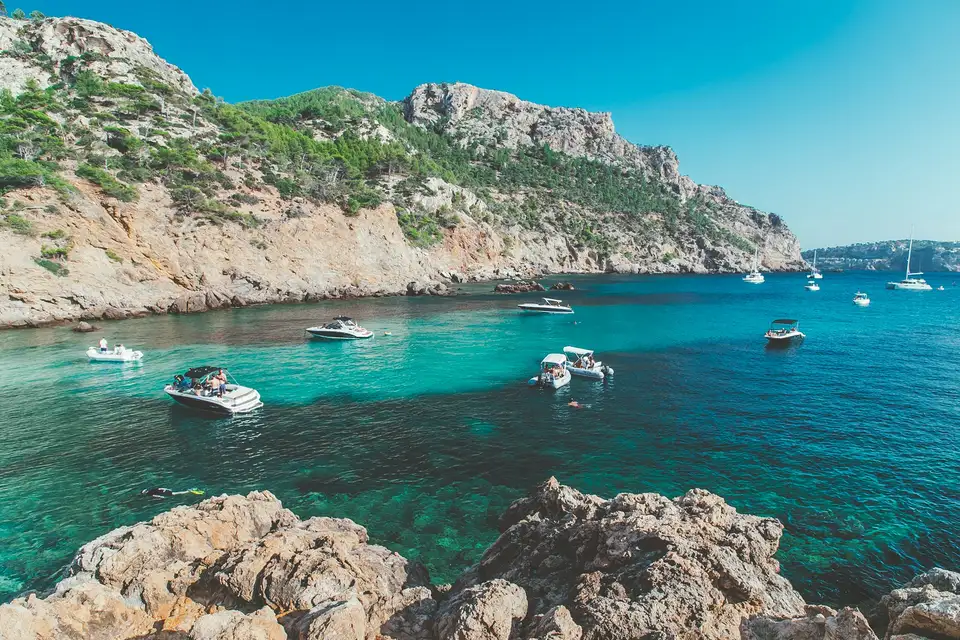
Nine Months on the Beach: Why Pollenca Ultimately Removed the Stranded Sailboat
A single-masted vessel lay on Tamarells beach since the storm 'Harry' in January. After the owner became insolvent, the municipality paid €26,000 for the salvage. What does this say about control, prevention and coastal protection?
Nine Months on the Beach: Why Pollenca Ultimately Removed the Stranded Sailboat
Leading question
Who pays the price when boats decay, anchor and are eventually washed ashore: the owners, the public, or nature?
Summary of the facts
At the end of January, a single-masted boat was driven onto the beach at Tamarells in the harbor of Port de Pollenca during the storm 'Harry'. The boat lay there for months before the municipality ordered its salvage on Monday. Because the owner, according to the municipality, is insolvent, the public covered the costs of €26,000. Since 2023, a total of five abandoned watercraft have had to be removed in Pollenca; according to the town hall, the total costs amount to €70,000, as discussed in Wrecks in the Bay of Pollenca: Municipality pays – but who bears responsibility?. The environmental organization Arrels Marines had already documented the condition of the sailer before the storm and criticizes the delay and the financial burden on the municipality.
Critical analysis
When a boat lies on the beach for nine months, something in the system is not working. The decisive issue is not only the price—€26,000 is noticeable for a small municipality—but the pattern: abandoned boats appear repeatedly, administrative procedures take time, and interventions often happen only when a problem becomes visibly acute. Authorities' powers, determination of ownership, deadlines for towing and environmental assessments get stuck in a bureaucratic bottleneck. Meanwhile, the condition of the boats deteriorates, leaks can release oil, metal parts corrode and harm marine life. The fact that Arrels Marines has photos of the condition before the stranding suggests that prevention would have been possible—but mechanisms to act early were apparently lacking.
What is missing from the public discourse
The debate usually revolves around the costs of salvage, as illustrated by Who Pays the Beach Bill? 365 Boats, €365,000 and an Unresolved Problem. Less discussed is how illegal or uncontrolled anchoring can be systematically recorded, who should be held responsible for insurance and disposal, and what rapid emergency procedures should look like. The question of whether ports, nautical associations and yacht owners should contribute more to prevention is rarely raised, as explored in Between Waves and Berth: Mallorca's Problem with 'Floating Holiday Rentals'. Instead of ad hoc operations, a catalog of measures is needed: early detection, clear financing routes, stricter controls of moorings and binding rules for abandoned boats.
Everyday scene from Tamarells
The morning after the salvage, the air in Port de Pollenca smelled of sea and rotting algae, gulls circled over the crane lifting the wreck onto the transport trailer. Strollers on the promenade stopped, a fisherman was bandaging a wound on his hand, children ran barefoot over the wet sand. On the Passeig you could hear the creaking of the crane booms and the rush of the Tramuntana, as if nature itself were commenting that something had been left too long.
Concrete solutions
1. Rapid intervention rule: A shortened deadline for obvious hazards (oil residues, leaks, acute shoreline damage) with emergency enforcement by the harbor authority.
2. Mandatory registration and insurance: Boat owners must provide current contact details, proof of insurance and disposal financing; in case of abandonment a deposit or insurance policy applies.
3. Early warning system: Cooperation between environmental groups, ports and municipalities with a digital reporting platform (photos, GPS position) that enables swift action.
4. Fines and cost rules: A clear legal basis that owners are initially liable; if insolvent, a recourse option via maritime registers or owners' associations.
5. Public prevention fund: A small recovery fund financed by port fees to cover urgent operations, refinanced in the long term through charges.
Conclusion
The case in Tamarells is symptomatic: visible failures in prevention and too-slow administrative action lead to costs for the community and potential damage to the coast. Those who wait for the next storm to see a problem will pay more later—in money and in nature. Pollenca has now removed the boat; whether the lesson remains and is translated into rules and resources is the real task.
Frequently asked questions
Who pays when a boat is stranded on a Mallorca beach?
Why did the Pollenca sailboat remain on the beach for nine months, and what went wrong?
What practical steps could Mallorca towns take to prevent boats from becoming permanent beach fixtures?
Who should coordinate the rapid response to abandoned boats along Mallorca's coast?
What responsibilities should boat owners have to prevent abandonment in Mallorca?
What environmental risks do abandoned boats pose on Mallorca's coastline?
How could Mallorca implement an early warning system for stranded boats?
Tamarells salvage in Pollenca: what happened and what does it mean for the town?
Similar News

Iris Berben live in Mallorca: Award and Talk at the Evolution Film Festival
German actress Iris Berben is coming to the Evolution Mallorca International Film Festival: presentation of the Evolutio...
Serious Accident in Son Ferriol: A Car Falls from the Roundabout — What's Wrong with This Spot?
A 77-year-old driver fell on Saturday morning with his car from the upper part of a roundabout in Son Ferriol down to th...

When a Taxi Fare Dispute Turns Violent: What the Magaluf Case Reveals About Safety and Prevention
In Magaluf a 2023 dispute over a taxi fare escalated: an 18‑year‑old British man is accused of seriously injuring a taxi...
Bloody clash in Canòdrom Park: What is missing in addressing violence on Mallorca's streets?
At midday on October 23, an 18-year-old man was critically injured in Canòdrom Park in Palma. The attack raises question...

Palma raises bus fares: Who pays the bill for public transport?
Single tickets rise from €2 to €3, airport trips have a reference price of €4.50. It remains unclear whether residents w...
More to explore
Discover more interesting content

Can Cap de Bou

Townhouse Lleo 72
