
When a Taxi Fare Dispute Turns Violent: What the Magaluf Case Reveals About Safety and Prevention
When a Taxi Fare Dispute Turns Violent: What the Magaluf Case Reveals About Safety and Prevention
In Magaluf a 2023 dispute over a taxi fare escalated: an 18‑year‑old British man is accused of seriously injuring a taxi driver with a broken bottle. Why do seemingly small arguments turn so brutal — and what needs to change in Mallorca?
When a Taxi Fare Dispute Turns Violent: What the Magaluf Case Reveals About Safety and Prevention
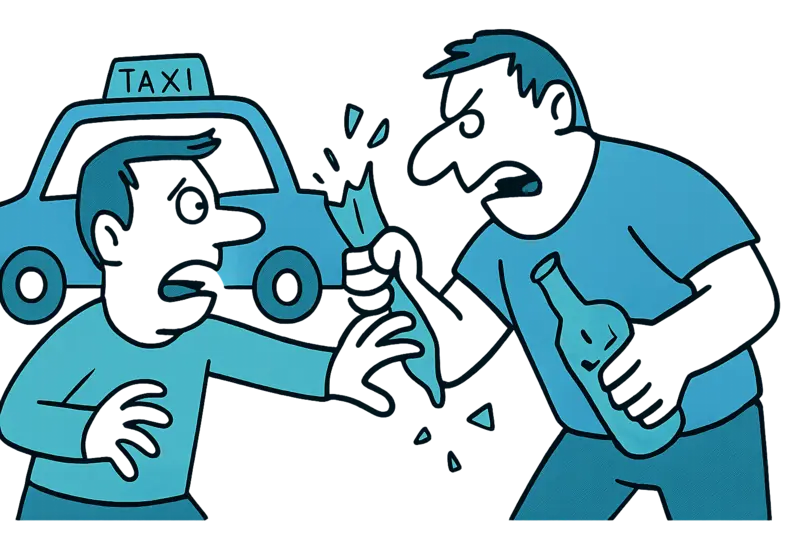
In the early hours of 8 April 2023, around two in the morning, a taxi ride in Magaluf ended in a severe act of violence: according to the criminal file, a young British man got out of a taxi in front of the Hotel Barbados, smashed the vehicle's window and attacked the driver with a broken glass bottle. The driver suffered, among other injuries, an approximately 15‑centimetre cut to the abdomen and required 30 days to recover. The Guardia Civil arrested the accused; the public prosecutor is now demanding seven years in prison as well as compensation and damages.
Key question
Why do disputes over minor issues — in this case a taxi fare — so often escalate quickly into physical violence, and what gaps in order, prevention and victim protection does this incident reveal?
Critical analysis
The facts are sparse but clear: a quarrel about the fare, allegedly alcohol involved, a broken window and an improvised weapon. The pattern is familiar from party areas like Magaluf: Escalation at the Bus Stop — What the Incident Reveals About Safety and Civil Courage: loud nights, high expectations among guests, language barriers and an environment in which conflicts are often carried out emotionally. Alcohol lowers inhibitions, fatigue and darkness impair clear perception, taxi drivers work alone and are therefore particularly vulnerable. The legal response — high prison demands and compensation claims — addresses aftermath and accountability, but not the underlying causes.
What is missing in the public discourse
The debate quickly focuses on punishment. Important questions get too little attention: How safe do drivers actually feel on their night routes, in light of cases such as Night in Palma: Waking up on the street – what does this mean for taxi safety?? Are there binding, visible fares and complaint mechanisms? How are language barriers at hotspots like the Paseo Marítimo: Taxi drivers stop drunk driver — a wake-up call for Palma's nightlife handled? And: where is a systematic prevention strategy against violence that does not rely solely on police measures but emphasises education and de‑escalation?
An everyday scene from Magaluf
Imagine the calle at half past two in the morning: music thumps from beach bars, taxis are lined up, the air smells of sea and diesel, groups stagger laughing, others are unusually loud. A driver gets out, tries to sort a fare, a passenger complains. A small gesture is enough, a single word too many, and the mood flips. In such moments it is not only legal texts but the people behind the wheel and on the street who matter.
Concrete solutions
Prevention can be local, practical and quickly effective: First, fares and night surcharges must be displayed in prominent places at stops and inside taxis in several languages. Second, require taxis to install simple cameras or emergency buttons that trigger an alarm in an emergency. Third, de‑escalation training for taxi drivers and security staff in bars and hotels; similar trainings already exist in other holiday regions and work. Fourth, increased presence of the Guardia Civil and local police patrols at peak times, combined with fast reporting channels and quick support for the injured. Fifth, tourism businesses and organisers must better inform their guests — already at the airport or in the hotel about expected behaviour and legal consequences. Sixth, a local reporting system for recurring problems at certain streets or venues so that authorities, police and industry representatives can intervene where needed.
Practical obstacles
Not everything is easy to implement: taxis are often small, family‑run businesses; cameras raise data protection questions; and more police costs money. Nevertheless, many measures are inexpensive and pragmatic: clear signs, multilingual notices, and cooperation between hotels, taxi associations and the municipality of Calvià can be arranged relatively quickly.
Concise conclusion
The incident in Magaluf is not an isolated chaotic outburst; it reveals a recurring weak spot of the nightlife. Prosecution is necessary but not sufficient. Those who want real safety — for residents, taxi drivers and guests — must address the causes: clear rules, visible information, quick help and training for conflict situations. Otherwise the street remains the same unsafe place where a broken bottle is enough to change lives.
Frequently asked questions
What is Mallorca's climate like and when is the best time to visit for a beach holiday?
How safe is Magaluf at night and what can visitors do to stay safe?
Why do taxi fare disputes in Mallorca sometimes escalate to violence, and what risk factors should travelers know?
What practical steps can reduce taxi violence in Mallorca's nightlife areas?
What happened in the Magaluf taxi incident near Hotel Barbados and what does it reveal about safety gaps?
Are there de-escalation trainings for taxi drivers and bar staff in Mallorca, and how could they be implemented?
What reporting channels exist for taxi violence in Mallorca and how quickly can help arrive?
What should a guest do if involved in a taxi dispute in Magaluf?
Similar News
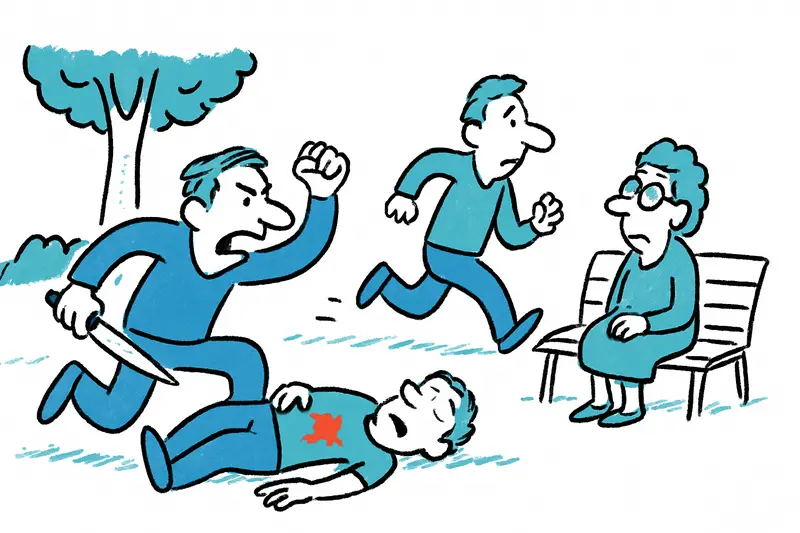
Bloody clash in Canòdrom Park: What is missing in addressing violence on Mallorca's streets?
At midday on October 23, an 18-year-old man was critically injured in Canòdrom Park in Palma. The attack raises question...

Palma raises bus fares: Who pays the bill for public transport?
Single tickets rise from €2 to €3, airport trips have a reference price of €4.50. It remains unclear whether residents w...
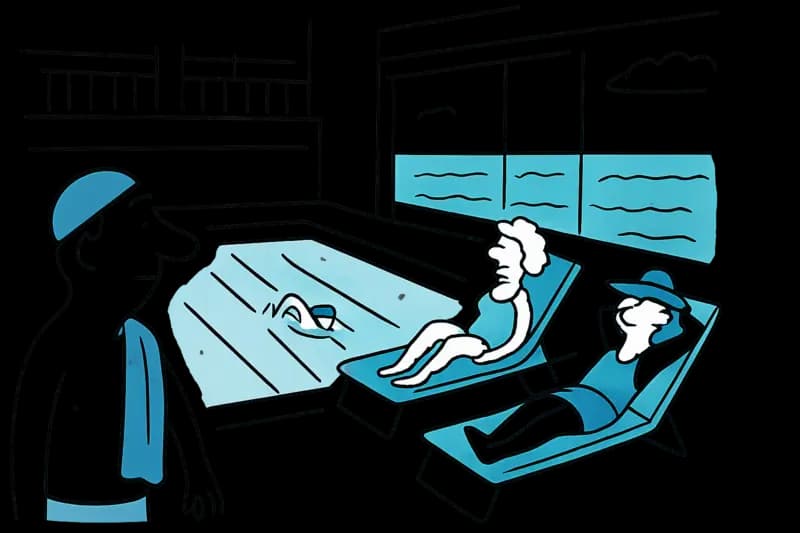
Palma's New Indoor Pool: Sea View, Sunbeds and Space for Everyone
At Aigua Dolça, near the Paseo Marítimo, Palma has a new municipal indoor pool. For a small fee people can now train, re...
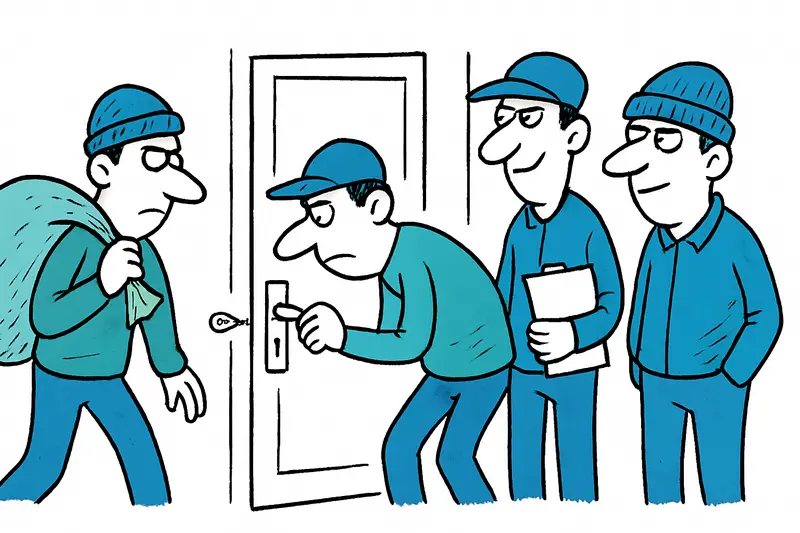
How Four Burglars Emptied Ten Houses with a Simple Trick — and What It Means for Mallorca
Four men used the impressioning technique, posed as delivery workers and accepted two years in prison. A reality check f...
Bundles of Drugs, Containers and Open Questions: A Reality Check for Mallorca
3.3 tonnes of marijuana, 80 kilos hidden in golf-ball vending machines and a 44-year-old German released on conditions i...
More to explore
Discover more interesting content

Can Cap de Bou

Townhouse Lleo 72
