
Poster at Palma Airport: Who is Responsible for Majorca's Image?
Poster at Palma Airport: Who is Responsible for Majorca's Image?
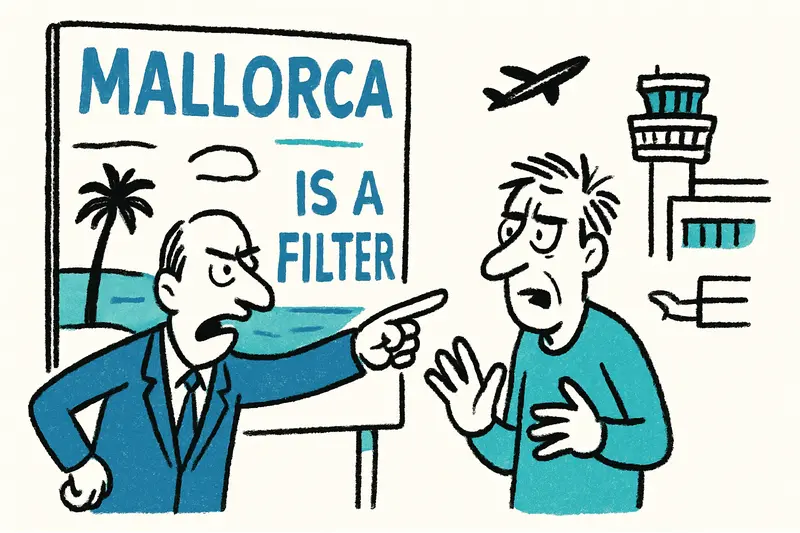
A controversial advertising banner with a provocative message is causing trouble at Palma Airport. Aena defends the ad while the regional government demands its removal. Who actually decides how Majorca looks when travelers arrive?
Poster at Palma Airport: Who is Responsible for Majorca's Image?
Key question: Can an advertising slogan in the arrivals terminal shape the image of an island — and who should decide which ads are visible?
At the entrance to the arrivals hall, between baggage carousels, announcements and rolling suitcases, a large banner currently hangs with a cheeky line that many people find offensive: an ad promotes a digital payment service from the Sparkasse and relies on an allusion to the behavior of some holidaymakers. The regional government has asked the airport operator to remove the advertisement. Aena, which manages the airport site, counters that the poster campaign is purely commercial and falls under advertising freedom.
This is not a purely legal question and resonates with wider tensions in Mallorca's tourism debate, as discussed in After Eleven Years at the Top: What Mallorca's Tourism Radar Really Needs to See. Airports are shop windows for a region. The first coffee many travelers drink after landing tastes different from the posters they see. If a message hangs in the terminal that panders to subtle prejudices, it resonates afterwards: in conversations on the bus to Palma, in selfies in front of the departure terminal, in the snap judgments of arrivals. Responsibility for such imagery does not end at the airport door.
Viewed critically: Aena argues that the ad promotes a payment technology service and that the company cannot influence the type of tourism people choose. That is formally true — but it sidesteps the central point: airport companies approve advertising space, negotiate contracts and decide locations for outdoor advertising. Whoever displays a message there shares responsibility for its reach and impact.
What is missing from the public debate are the rules themselves: What criteria apply when approving airport advertising? Are there clear guidelines for protecting the region's image, cultural sensitivity or promoting sustainable tourism? The question is not only theoretical. Without transparency, the impression arises that marketing is done at random — and that harms the cohesion of residents, politics and business.
On the street, on a hot morning in Palma, you can hear the rattle of buses on Avinguda de Gabriel Roca, voices in different languages, delivery drivers unloading crates. Locals say such debates quickly flare up in cafés and at weekly markets: some wave it off and call the campaign "harmless," others see it as mocking serious efforts to keep the island attractive for families and cultural tourists. These everyday conversations reflect a tension between economic interests and the demand for a respectful outward image. Similar controversies have erupted before in the streets of Mallorca, as reported in Posters, Provocation, Polarization: How Mallorca's Streets Become a Campaign Ground.
Concrete solutions are possible. First: a publicly accessible advertising code for Balearic airports that includes criteria such as non-discrimination, respect for culture and the environment, and guidance on the responsibilities of contracting partners. Second: a simple on-site complaint procedure — a contact point at the airport that collects complaints and decides within clear deadlines. Third: temporal or thematic restrictions for risky or provocative slogans in the most important sightlines, such as arrivals and departures areas.
Fourth proposal: establish an advertising committee with equal representation from the tourism industry, local government, consumer protection and the cultural sector. Such a body could review campaigns in advance, offer recommendations and mediate conflicts. Fifth: contractual clauses for advertising space holders that provide sanctions and prompt removal in case of violations — this creates binding rules instead of mere rhetoric.
It would also be useful to place more positive, realistic messages in the arrival area: tips on reducing waste, showing consideration in residential areas, offers for families and cultural recommendations. Advertising may sell — but it should not leave open the question of what an island actually stands for.
Some will say this fuels a censorship debate, as seen in Poster Dispute in the Balearic Islands: How Much Provocation Can Public Space Tolerate?. But control here does not mean banning every ad; it means setting standards that connect the economic use of advertising space with the public interest in a respectful image.
Conclusion: The dispute over the banner at the airport is not an incident that fizzles out in the arrivals hall. It is a reminder that decisions about advertising are also decisions about Majorca's self-image. Transparency, participation and clear rules would help avoid similar conflicts in the future — and would also show that the island can steer its own story instead of being defined by flashy slogans.
On the way from the airport into the city the question remains: Do we want an advertising slogan to be the first thing people think about us — or would we prefer to shape the first impression ourselves?
Frequently asked questions
Why was the banner at Palma Airport criticised?
Who decides what advertising can be shown at Palma Airport?
Can airport advertising affect Mallorca’s image?
What rules should Mallorca airports have for ads?
What can travellers do if they see an offensive ad at Palma Airport?
Would removing a controversial ad from Palma Airport be censorship?
Why are arrivals areas at Mallorca airports so sensitive for advertising?
What kind of airport messages would present Mallorca better?
Similar News

Rental Car Theft in El Arenal: What This Incident Reveals About Our Gaps
A teenager steals a running rental car in El Arenal, flees on foot, climbs over walls and is caught by the Guardia Civil...
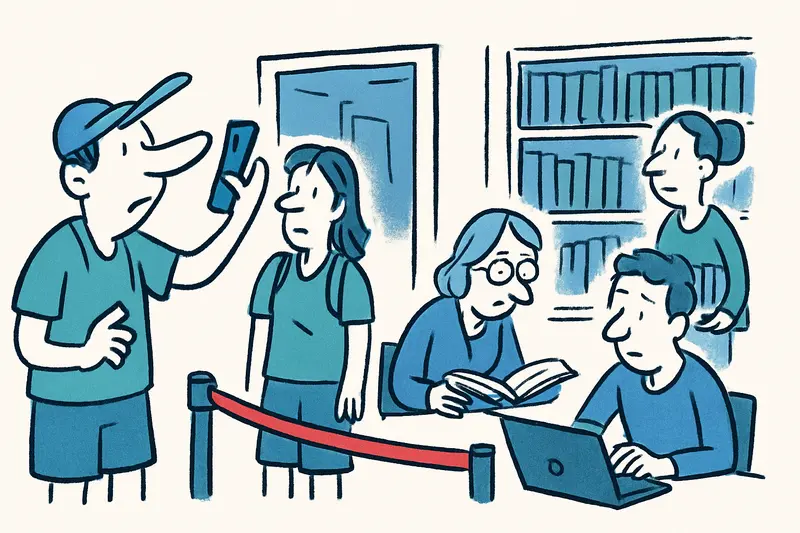
Red Rope in Palma's Library: What Helps Against Selfie Tourism — and What's Missing
Palma's city library cordoned off an area with a red rope to keep selfie tourism away from reading and working activitie...

Fort San Carlos: Museum, Harbor Dispute — and a Conflict That Demands Answers
The military museum at Fort San Carlos sits right on Palma's harbor, with unexpectedly quiet rooms filled with cannons a...
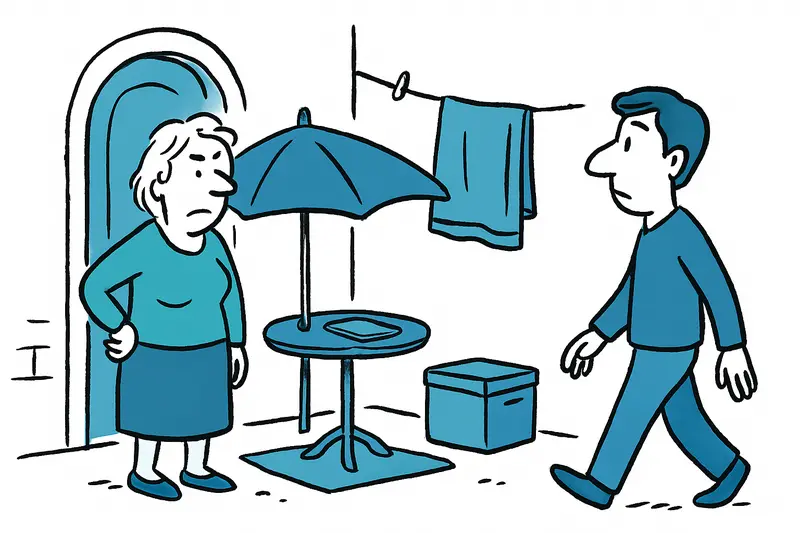
Old Town Under Pressure: When a Doorway Becomes a Sleeping and Shower Place
For months a woman has been living with a parasol, a clothes rack and personal belongings next to the social welfare off...

When Shopping Weighs Heavier: Mallorca Demands a Tax Pause on Food and Fuel
Rising prices are putting pressure on households and agriculture. The Balearic Islands are calling for temporary tax rel...
More to explore
Discover more interesting content

Can Cap de Bou

Townhouse Lleo 72
