
Icy Showers in El Terreno: How a Family in Mallorca Is Caught Between Illegal Power Connections and Bureaucracy
Icy Showers in El Terreno: How a Family in Mallorca Is Caught Between Illegal Power Connections and Bureaucracy
For weeks Ana Rodríguez and her family have been living in El Terreno without electricity. Who is responsible — the landlord, the network operator or the authorities? A reality check with concrete steps for those affected.
Icy Showers in El Terreno: How a Family in Mallorca Is Caught Between Illegal Power Connections and Bureaucracy
Main question: Why does an otherwise habitable apartment in Palma remain without electricity — and who must be held accountable?
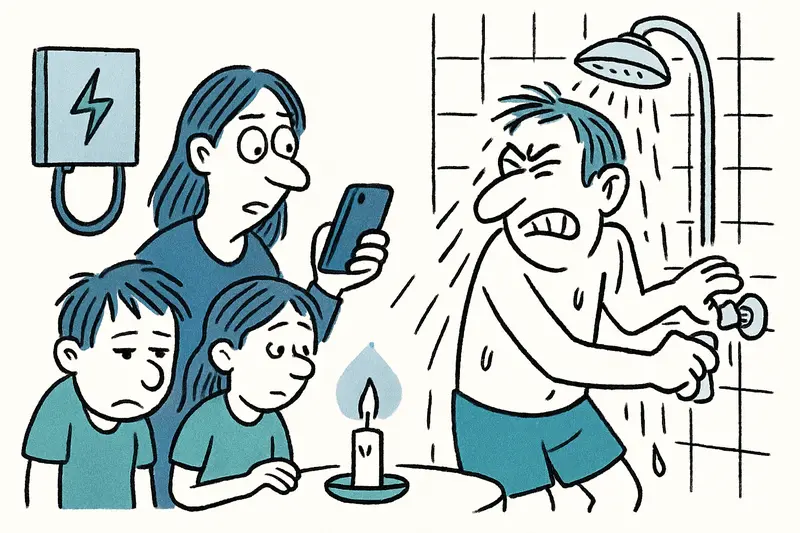
In a side street of El Terreno candles have been flickering in a window for weeks, not because anyone wants a cozy dinner, but because the sockets are dead. Ana Rodríguez, her husband and two children have been living there for months — and for more than four weeks without regular power supply. According to the family's accusation, the cause is an unauthorized tap that previous tenants installed. The energy provider discovered the illegal connection during an inspection. Instead of a quick solution, the residents are left waiting on phone calls, promises and evasive answers.
At first glance the situation seems private: a faulty installation, a dispute between landlord and new tenants. On closer inspection it becomes clear that it is about responsibilities and duties of protection. Who is responsible for the operational safety of an apartment when third parties are endangered by prior interventions? And how long may a supplier delay restoration when a family is effectively driven out of their home?
In short: the power gap creates a cascade of problems. Icy showers in December, long trips to friends to charge phones, extra expenses for heating or eating out. For children this means worse learning conditions, for parents stress and legal uncertainty. In El Terreno neighbours hear the faint hum of generators from workshops, coffee keeps burning in the corner shop — and the responsible electricity meter remains silent.
Critical analysis: Several issues emerge from the accounts. First: prevention and control. Illegal taps are not only fraud, they are fire hazards. Network operators must detect and document such interventions, but reaction times are decisive. Incidents such as thunderstorms that revealed weaknesses in Mallorca's infrastructure also show how localized events expose vulnerabilities in networks and services. Second: tenancy law and warranty. Under Spanish law the landlord must provide a habitable apartment; lack of electricity falls into the category of defects that must be remedied. Third: communication and escalation. Phone hotlines, automated replies and unclear process steps leave affected people in limbo.
What is missing in the public debate: the everyday perspective. Politicians like to talk about major projects, but few describe what it is like to pack a lunch box on a Tuesday morning in half-darkness. Also rarely on the radar: the chain of responsibility during handovers of rental properties — similar incidents such as Manacor landlord accused of cutting off electricity and water show the stakes. Who checks meter readings and installations when a tenant moves out? And why are consumer protection offices not more present before cases drag on for weeks?
A typical scene in El Terreno: in the morning Ana stands with a backpack in front of the little bakery on the square, her daughter leans against the shop window and secretly charges her phone at its socket. The wind carries the scent of grilled fish from the promenade, cars creep by. On the stairwell a tin clinking with candles rattles. Friendly neighbours bring hot water in a thermos — small helps that do not solve the problem.
Concrete solutions — immediately actionable
1) Document: collect every outage, every phone call, every written message. Photos of the meter, emails, notes with date and time are evidence. 2) Send a written notice of defects to the landlord by registered mail (burofax) and set a deadline. Oral requests are not enough. 3) Formally request the network operator to provide an interim supply or safe temporary solution; this can be done quickly through a temporary connection or safety inspection. 4) Involve OMIC or the responsible consumer protection office — contact the Palma municipality or the Balearic consumer authority locally to document an official mediation attempt. 5) Consider rent reduction: a legally justified reduction of the rent for the duration of the defect is possible; seek legal advice (lawyer or tenants' association). 6) In case of danger: call the local emergency number or notify the fire brigade — illegal electrical installations can cause fires.
Systemic proposals
- Mandatory checks at tenant changeover: handover protocols with meter verification should become binding. - Fast-track procedures for supply disruptions where households with children or vulnerable persons are prioritized. - Sanctions against landlords who shift responsibility when the apartment is defective — and in extreme cases legal action as seen in the arrest in Manacor over withholding electricity and water. - Stronger presence of OMIC in neighbourhoods with high rental density, regular information campaigns for tenants about rights and obligations.
Conclusion: Ana's case is not an isolated incident but a mirror of gaps between infrastructure, tenancy law and citizen assistance. A light comes on when authorities, suppliers and landlords clarify their interfaces — and when neighbours keep bringing the thermos. For Ana and her family quick, binding steps are needed now: documentation, formal complaints and official mediation. A candle in the window is a cry for help, not a permanent state.
Editorial note: We have asked the family for documents and advise affected people to seek legal advice. Local advisory services such as the OMIC of the Palma municipality can be a first point of contact.
Frequently asked questions
Why can an apartment in Mallorca stay without electricity after an illegal connection is found?
What should tenants in Mallorca do if their flat has no electricity for weeks?
Can a landlord in Mallorca be responsible for a flat with no electricity?
Where can tenants in Palma complain about unsafe housing conditions?
Is it safe to stay in a Mallorca apartment with an illegal electrical installation?
What can families in Mallorca do while waiting for electricity to be restored?
What is El Terreno in Mallorca known for?
Which office in Mallorca helps with rental disputes and service problems?
Similar News
Who Bears the Burden? Mallorca Between Tenant Protection and Landlord Fears
Madrid's new housing decrees strengthen tenant rights — but on Mallorca concern is growing: will the law drive small lan...
On the Edge: What Mallorca's Airport Loses If a Major Low-Cost Carrier Falters
The company that operates numerous connections from Palma to France and domestically is negotiating with creditors to re...
Ballermann star Frenzy wins 'Villa of Temptation' and donates prize money to Mallorca animal rescue
Ballermann singer Frenzy won the German reality show and donated the remaining prize money — around €14,080 — to an anim...
70 Trees Removed on Avenida Jaume I: What's Happening in Santa Ponça?
On October 1 the final redevelopment phase on Avenida Jaume I in Santa Ponça begins: 70 trees and old streetlights are t...

When a Boundary Is Crossed: The Case of Isi Glück and the Responsibility of Venue Operators
The singer from Mallorca reports an assault backstage in Halle. A clear guiding question, analysis of missing protective...
More to explore
Discover more interesting content

Can Cap de Bou

Townhouse Lleo 72
