
How an Apartment Became a Sales Counter: Raid in La Soledat and the Bigger Question Behind It
How an Apartment Became a Sales Counter: Raid in La Soledat and the Bigger Question Behind It
In La Soledat the Policía Nacional uncovered an active drug sales point: reinforced door, street-facing camera, 60 g of cocaine, €5,000 hidden in a sofa. Why do such hubs arise in the middle of residential neighborhoods — and what is missing to prevent them permanently?
How an Apartment Became a Sales Counter: Raid in La Soledat and the Bigger Question Behind It
Reinforced door, street-facing camera, apparatus in the sewage system – a raid in Palma reveals not only drug trafficking but gaps in everyday neighborhood life
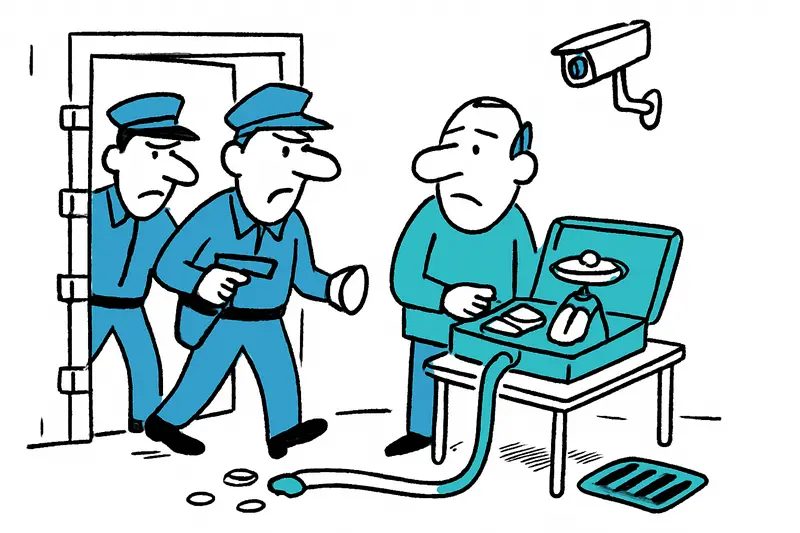
If you imagine a deserted side street, you would be mistaken. The apartment recently searched by a special unit of the National Police in La Soledat, reported in Quiet raid in Palma: Arrest after neighborhood tips — and what's still missing, was in a lived-in quarter where delivery vans honk in the morning, the garbage collection runs on time and neighbors chat on the stairway. Yet this flat apparently served around the clock as a hub for drug distribution: officers found several scales, about 60 grams of cocaine, marijuana, nearly €5,000 in a sofa and a notebook with handwritten sales records. The entrance door was secured with six iron bolts, a camera faced the sidewalk on the outside, and there was a device to dispose of drugs via the sewage system — connected to a larger cistern.
Key question: Why do such often well-disguised sales points arise in the middle of residential buildings, and who pays the price for them? At first glance the answer seems: customer demand meets opportunity. But there are several deeper levels that are rarely reflected in the uproar after a raid.
Critical analysis: The police action showed effectiveness in the intervention, but also methods that have only short-term effect, and similar multi-location operations were reported in Raid in Palma and on the Mainland: How Deep Does the Network Reach into Our Neighborhoods?. A hidden sales point is relocated, not necessarily ended, if only the current operator is apprehended, as recent coverage noted in New Raid in Mallorca: More Arrests — But Are the Roots of the Problem Untouched?. The reinforced door, the street surveillance system and the functional drainage network indicate an organization that wanted to minimize risk. At the same time the police found signs of stolen or illegally connected electricity — a small piece that points to larger systemic problems: vacant apartments, insecure ownership situations and landlords who do not monitor what happens in their properties, as seen in Sa Cabaneta after the raid: When vacant villas become a danger.
What is often missing in public debate: a discussion about local demand and social causes. Drug sales are not an isolated criminal phenomenon; they connect to housing shortages, youth unemployment, a lack of low-threshold support services and loopholes in the real estate market. Also seldom discussed is the role of the neighborhood. Many people on affected streets know more than they admit; shame, fear of retaliation or the feeling that reporting will not change anything prevent tips to the authorities.
Everyday view from La Soledat: In the evening chairs are pulled out in front of front doors on the plaza, children play until the last light, and the smell of fried tapas hangs in the air. This is where the problem starts: sales points next to the bakery change residents' sense of safety. The elderly woman who gets her coffee every morning, or the taxi driver who knows the street, experience the effects directly — from awkward encounters to open disputes among customers.
Concrete solutions: We need a bundle of short-term and long-term measures. First: targeted inspections of electricity connections and billing in particularly affected buildings — illegal hookups are indicators of organized structures. Second: stricter owner obligations: landlords must demonstrate active monitoring of who lives in their apartments after prolonged vacancies or repeated complaints. Third: expansion of low-threshold prevention and addiction support services in neighborhoods like La Soledat to reduce demand. Fourth: a trusted reporting office with an anonymous portal and visible feedback to tipsters; this strengthens the neighborhood and reduces fear. And fifth: municipal teams that coordinate social work, electricity inspection and regulatory services — police alone are not enough.
An often overlooked point: disposal and environmental risks. The device found in the apartment intended to dispose of drugs via sewage into a cistern is not just a criminal detail. It can clog pipes, cause odors and attract vermin. The city should analyze such cases together with utility companies and quickly enable technical countermeasures.
Conclusion: The raid in La Soledat was necessary and temporarily disrupted an active sales network. But it does not answer how and why such hubs develop within residential structures. We need fewer media eruptions about confiscated cocaine and more strategic, everyday work in the neighborhood: visible presence from the city administration, enforceable duties for landlords, support services for people with addictions and a genuine involvement of the neighborhood. Otherwise the success story will soon resemble a temporary improvement that lasts only until the next special unit appears at the door.
Frequently asked questions
When is the best time to visit Mallorca for sunny weather and lighter crowds?
Is it safe to swim in Mallorca and which beaches are family-friendly?
What should I pack for a Mallorca trip?
How can I get around Mallorca without a car?
What local foods should I try in Mallorca?
What should I know about Mallorca’s weather for outdoor activities?
Are day trips from Mallorca worth it, and what are popular options?
What’s a good base for first-time visitors to Mallorca?
Similar News
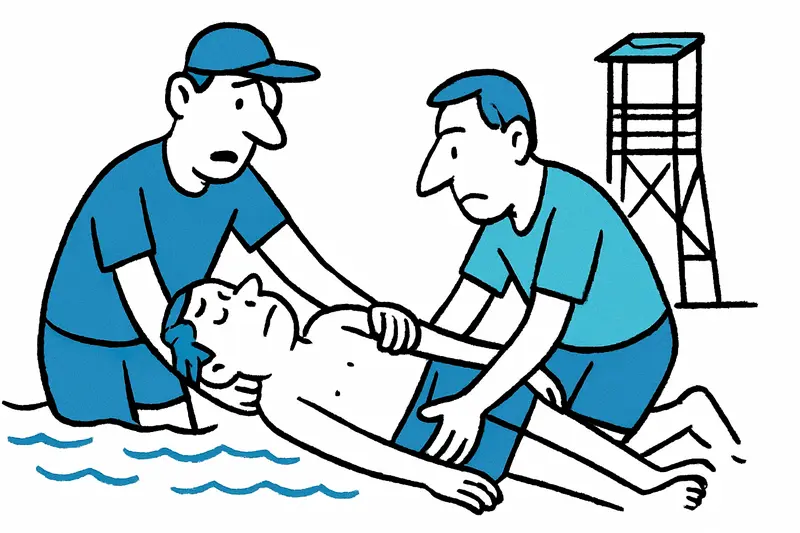
Magaluf: Watchtower Alarm – Lifeguards Pull Unconscious Beachgoer from the Water
After a drama in the late afternoon, two lifeguards at Magaluf beach rescued an unconscious 44-year-old man. He was stab...
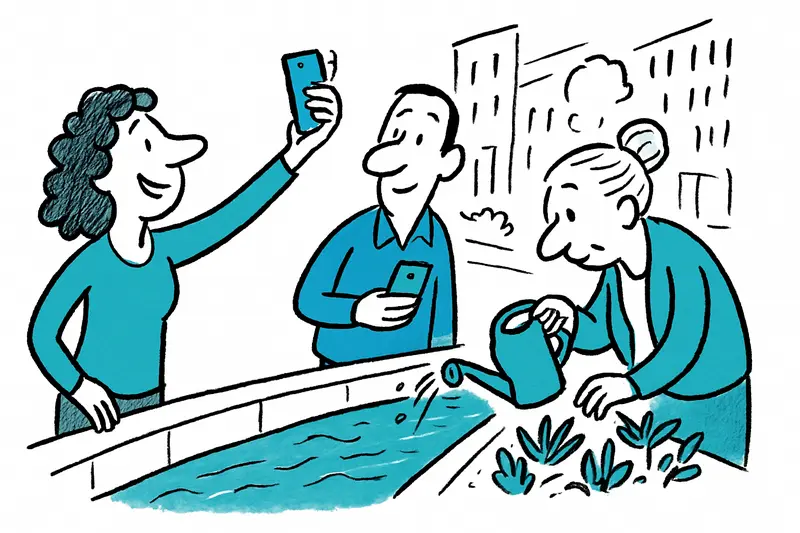
Turquoise in the City: How dangerous is the color play of the Sa Riera?
The Sa Riera in Palma suddenly turned turquoise — a pretty motif, but behind the effect lies a discharge of saline waste...

Jeckliner at Sunnesching: Cologne spirit sets sail from Palma
In September 2027 the Mein Schiff 2 briefly becomes a floating carnival stage: four days with Cologne bands, comedy and ...
Finally Home: Mike and Leyla Heiter Buy Villa with Sea View in Mallorca
The reality TV couple Mike and Leyla Heiter have bought a house in Mallorca with a roof terrace and sea view. An Instagr...
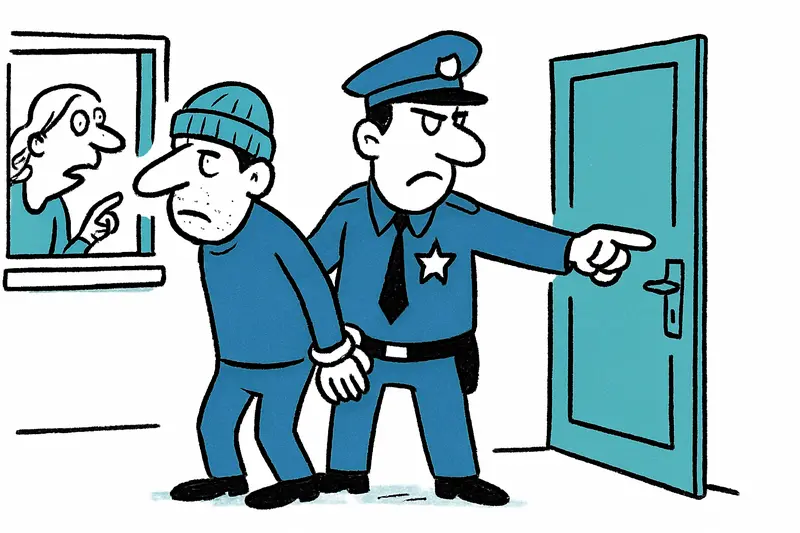
Arrest after series in Palma: Who protects apartments from repeat offenders?
The National Police arrested a man in Palma who investigators say may have broken into several apartments. In one incide...
More to explore
Discover more interesting content

Can Cap de Bou

Townhouse Lleo 72
