
When Words Hurt Before Kickoff: Rajoy, Nationality and the Dispute over the Football Team
When Words Hurt Before Kickoff: Rajoy, Nationality and the Dispute over the Football Team
Shortly before the Spain–France semi‑final, remarks by a former prime minister caused outrage. A reality check: What is being said, what remains unsaid, and how is Mallorca responding?
When Words Hurt Before Kickoff: Rajoy, Nationality and the Dispute over the Football Team
Key question: Are former heads of government allowed to measure the belonging of entire teams by proofs of origin – and what consequences does that have for social cohesion?
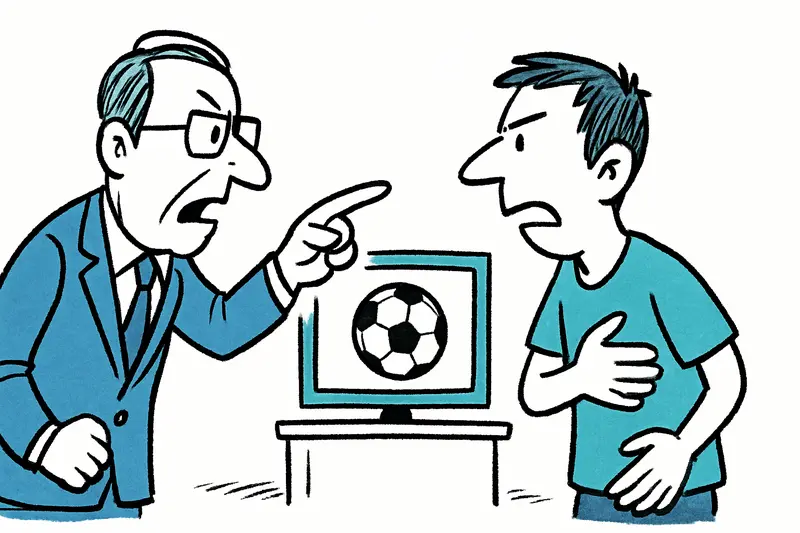
On the eve of a major sporting event, a political fire was ignited. A prominent former head of government questioned the composition of an international football squad and provoked strong reactions. In the squares of the island, in the bars along Passeig Mallorca and in small pubs at the Plaça, where televisions are tuned for the big duel, the typical sounds of summer – mopeds, waitresses, the dull clatter of castanets in tourists' hands – mix with conversations about integration, origin and respect. This everyday scene shows: sport is long since more than tactics and technique; it reflects wider social debates.
The criticism that followed was clear. The current head of government rejected any reduction of belonging to skin colour, names or place of birth and emphasised that love for the country and commitment are decisive. From the neighbouring country came accusations that the remarks were part of a long line of problematic comments, and legal steps were even discussed, and the local fallout echoed other island controversies such as Why Palma's 'Persona non grata' Resolution Raises More Questions Than Impact.
Critical analysis: The core message reduces belonging to a biological or genealogical appearance and ignores how modern societies actually work. National teams today are often the result of decades of migration, family histories, multiple citizenships and intercultural ties. When a heavyweight politician publicly expresses such simplifications, the signal sent is: those who do not fit the narrow mould are outsiders. That is not only wrong, it is dangerous. It reinforces existing resentments and withdraws recognition from those who contribute to society through work, sport and everyday life.
What is missing in the public discourse: engagement with the historical and legal dimensions of nationality. Debates such as Language dispute in Mallorca: subsidies, comparisons and the question of cultural justice illustrate the complexity. Also rarely discussed is how much sport can create a sense of belonging – not in terms of ethnic purity, but as a practice of participation and solidarity. Also underexposed is how political language, in times of instant reach via social networks, stokes public sentiment. In Mallorca this is visible concretely: young people in Son Gotleu, families in Cala Major, employees in hotels – many have international roots and experience the positive sides of this diversity in everyday life. Such voices need more space in the debate.
Concrete approaches: First, political actors should agree on binding rules of conduct for public statements. Parties can adopt their own codes of ethics that sanction repeated offences. Second, sports associations must take clear positions and have communication strategies; they can legally review incidents but should above all engage in preventive educational work; recent fan controversies, for example "They immediately put me in the right-wing corner": Atlético Baleares owner at the center of a fan dispute, show why. Third, it would help if municipalities like Palma promoted local initiatives that organise exchanges between fan cultures, schools and migrant groups – fan meetings, workshops in sports clubs, exhibitions about players' origin stories. Fourth: schools and youth centres should strengthen media literacy and debate culture so that statements can be assessed for their substance instead of being taken up uncritically.
A small, concrete example from here: at an evening match in a bar near Passeig Mallorca, a mixed group of hotel employees, a teacher and a fisherman stood together, discussed tactics and cheered a goal as one team. No one asked for passports or scrutinised names for origin; people rejoiced in the sense of togetherness. Such scenes are not proof that everything is fine. But they show that an alternative, inclusive narrative exists and can be nurtured.
What politics should do now: those responsible must steer the debate about belonging professionally rather than pandering to populism. That means: making facts about nationality and integration achievements visible, opening spaces for dialogue, and at the same time examining legal steps against clearly discriminatory statements. Sports associations should develop preventive codes of conduct for former and current officials – because words carry weight, especially when they come from well‑known names.
Conclusion: Outrage alone is not enough. We need a mix of courage to be clear, institutional rules and local initiatives that show what togetherness looks like in practice. Mallorca, where everyday coexistence works – between market stalls, beach bars and small football pitches – can serve as a laboratory: fewer loud blame games, more conversations at the bar. On the pitch the performance should count; outside the stadium we must be measured by how we treat those who live here and help shape the country.
Frequently asked questions
When is the best time to visit Mallorca for outdoor activities and beach days?
How can sports support social cohesion in Mallorca?
What concrete steps can public figures and sports bodies in Mallorca take to prevent discriminatory rhetoric?
How can local initiatives in Mallorca promote dialogue between fans and migrant communities?
What can a casual football match in Palma near Passeig Mallorca teach visitors about local coexistence?
How do neighborhoods like Son Gotleu illustrate Mallorca's diversity in everyday life?
What examples exist in Mallorca of inclusive fan culture and respectful dialogue around football?
What roles do schools and youth centers in Palma play in improving media literacy and dialogue about nationality and belonging?
Similar News
Injured captain, big plans: Germania Mallorca before the away match in Consell
The newly founded FC Germania Mallorca travels to Consell on Saturday. Captain Bastian Müller is out injured, but coach ...
Palma, Palma de Mallorca, Palma‑Mallorca: What is it really about?
The debate over the city's name is more than grammar: it concerns identity, law and branding policy. A sober reality che...
Warning to Bathers: Nipping Fish in Cala Major and Other Coves — a Reality Check
In Cala Major and several beaches around Mallorca, bathers report painful “nips”. Who are the animals, why are they gett...

Rental Car Theft in El Arenal: What This Incident Reveals About Our Gaps
A teenager steals a running rental car in El Arenal, flees on foot, climbs over walls and is caught by the Guardia Civil...
Red Rope in Palma's Library: What Helps Against Selfie Tourism — and What's Missing
Palma's city library cordoned off an area with a red rope to keep selfie tourism away from reading and working activitie...
More to explore
Discover more interesting content

Can Cap de Bou

Townhouse Lleo 72
