
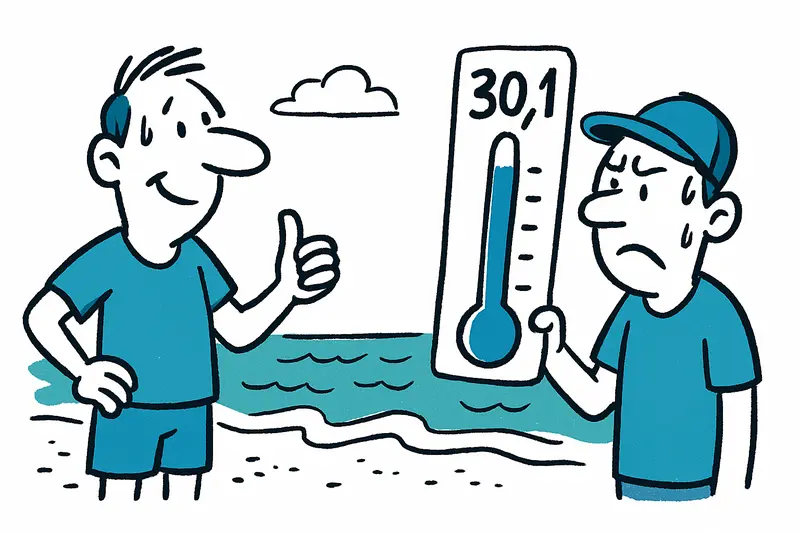
Already 30.1 °C in the sea: Why the warm water is more than a bathing-season anecdote
Already 30.1 °C in the sea: Why the warm water is more than a bathing-season anecdote
The port authority reported 30.10 °C in the Bay of Pollenca – the temperature was measured at night. What this means for bathers, marine life and everyday life in Mallorca is often underestimated.
Already 30.1 °C in the sea: Why the warm water is more than a bathing-season anecdote
Key question: Does the sea as a 'bathtub' make us safer – or does it worsen heat and environmental problems in Mallorca?
In the night into Monday the port authority recorded a water temperature of 30.10 °C in the Bay of Pollenca; the measurement was taken at 3 a.m. At the same time AEMET has heat warnings in place for several days, locally up to orange level, and Saharan dust is in the air. This combination changes everyday life on the coast and the island.
Start with the obvious: thinking about the cove now does not automatically bring relief. A sea above 30 degrees cools the body far less than it did a few years ago. The water feels pleasantly warm, but swimming does not always replace protection from heat exposure on land. People stay in the water longer, drink less, and leave the sun only late in the evening – a mix that can promote circulation problems and dehydration.
For nature, such temperatures are not a pleasant coincidence. Warmer water holds less oxygen, stress on fish, molluscs and the seagrass meadows (Posidonia) increases, and the ecosystem falls out of balance. The likelihood of jellyfish outbreaks and the development of harmful microalgae blooms also rises with prolonged warmth. These are not spectacular headlines, but slow shifts that fishermen, divers and lifeguards will notice sooner or later.
What is often missing in public discourse is the link between short-term comfort perception and long-term adaptation. It is not just about parasols and water bottles. We are talking about water quality tests at popular bathing beaches, protecting Posidonia meadows as boat use increases, how rescue services respond to Still going for a swim in Mallorca? Water temperatures and small moments of joy in Autumn 2025 and how outdoor workers are protected.
A Monday noon in Palma: On the Passeig Marítim café awnings cast shade, blinds are pulled down, an ice-cream seller has a queue in front of his cart, and on Playa de Palma you see more families in sun-protection shirts than usual. In Port de Pollenca fishermen unload nets, the boats lie listless in the warm water. Sounds are muffled, the air tastes of dust and citrus oil – a slice of everyday life that shows how normality adapts to extremes.
Concrete approaches instead of vague warnings: municipalities should provide cool places in the short term – refill public drinking fountains, plant more shade-giving trees on heavily frequented routes, and set up temporary misting zones in beach resorts. Rescue services and beach guards need more up-to-date information on water temperatures so that guidance to bathers is clearer: for example on time spent in the water or risks for children and older people.
At the regional level, regular publicly accessible measurement data would be more useful: real-time water temperatures at popular bays, combined with warning levels similar to those for air temperature, help holidaymakers change plans for the day and provide researchers with data for long-term assessments. The fishing and tourism industries need adapted recommendations – less boat traffic in sensitive seagrass zones, staggered timings for tourist boat trips during the hottest hours.
On occupational health and safety: employers with outdoor staff must allow flexible breaks and cooler shift times. Catering and hotels can help reduce health risks through increased information work and small infrastructure measures (water dispensers, shaded waiting areas).
Conclusion: The 30.10 °C in the Bay of Pollenca are more than a curious measurement. They are a warning that heat and warm sea together force new habits – and that practical measures are lacking. Anyone who now only talks about 'better bathing temperatures' misses the bigger questions: How do we protect people with simple means? How do we preserve our sea from long-term damage? And how do we ensure that on hot days not only tourists know where to find shade, water and reliable information?
What anyone can do now: swim in the sea in the mornings and evenings, seek shade during the day, drink enough and check whether local harbour measurements or AEMET warnings have been updated. These are small things that matter now – and may need to become larger in the future.
Frequently asked questions
What is the best time of year to visit Mallorca for pleasant weather and fewer crowds?
What should I pack for a Mallorca trip to cover sun, beach, and outdoor days?
Is it easy to swim and beach hop around Mallorca?
What are the best outdoor activities to enjoy in Mallorca?
How can I get around Mallorca without renting a car?
What should I know about Mallorca’s beaches and beach etiquette?
What cultural experiences or food are typical when visiting Mallorca?
Are there family-friendly or slow-paced options for different ages in Mallorca?
Similar News
Fear in the Sa Teulera Forest: Youth Groups Harass Cruising Zone in Palma
In the wooded area of Sa Teulera, those affected report verbal attacks, property damage and intimidation. How safe is th...
Axa opens first health center in Palma: €3 million, 650 m² and more local access for La Vileta
In the heart of La Vileta, Axa has opened its first own health center in Mallorca. On around 650 square meters and with ...

30 Years of Nit de l'Art: What Palma's Art Night Really Shows — and Conceals
Nit de l'Art celebrated its thirtieth anniversary: full galleries, young visitors — and the quiet tensions between the a...

Hunt for Older Holidaymakers: Arrests after Suspected Pickpocketing in Port d'Andratx and Bellver
Five suspects were arrested after investigators accuse them of targeted pickpocketing of elderly tourists in Port d'Andr...

Knife stabbing in Magaluf: Why it must not remain an isolated incident
A 21-year-old tourist was stabbed in the chest in Magaluf and is in life-threatening condition. A reality check: what's ...
More to explore
Discover more interesting content

Can Cap de Bou

Townhouse Lleo 72
