
Orange Alert: How Mallorca's Daily Life Creaks Under Sahara Heat
Orange Alert: How Mallorca's Daily Life Creaks Under Sahara Heat
Aemet has declared an orange alert for parts of Mallorca. The heat affects people, work and infrastructure — and we ask: Are our preparations sufficient?
Orange Alert: How Mallorca's Daily Life Creaks Under Sahara Heat
Key question: Is the island truly prepared for prolonged hot phases with dust from the Sahara?
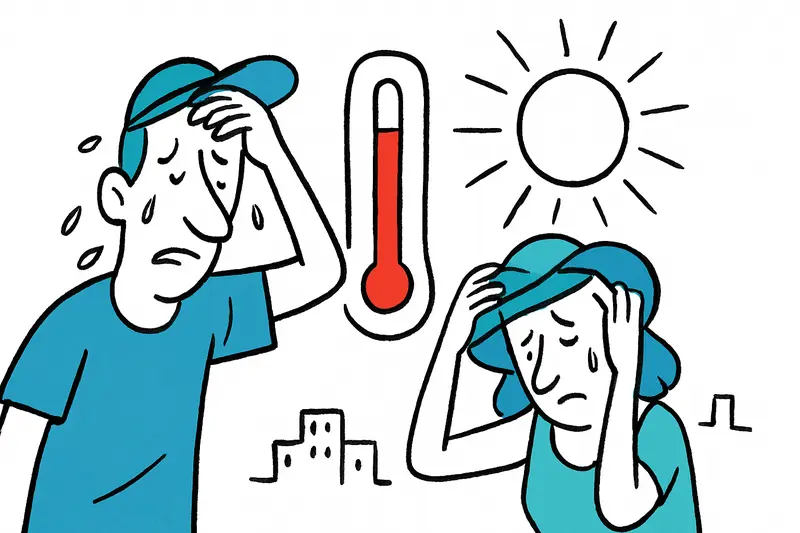
The core facts are short and clear: A hot African air mass is over the island, and Aemet has imposed Orange Alert in Mallorca: What the AEMET Warning Means for the Island, Roads and Tourism for the southwest, south and the island's center; thermometers in Llucmajor recorded values around 39 °C, in Porreres around 38 °C. The Serra de Tramuntana mountain chain is under a yellow warning, 37 °C are forecast in the northeast, and the east remains comparatively calmer. The air also brings Saharan dust, accompanied by a light to moderate east wind.
If you walk along Palma's Paseo Marítimo on a Sunday afternoon, the asphalt crackles, voices at the market are muted, people pull their hat brims lower — and at Oratori Beach in Puerto Portals shaded spots are in high demand. You hear the whistles of the lifeguards, the clatter of an ice cream truck and the soft clink when someone opens the last cold bottle of water. Such scenes repeat along many stretches of coastline: the beach is in demand, but not everyone can afford it or get there.
Critical analysis: Heatwaves with Saharan dust are no longer an exotic exception but recurrent events. Aemet has reported a persistent heat phase since July 5, as noted in Heat alert on Mallorca: How well is the island prepared for infernal heat days?. The problem is not only the temperature itself but the combination of extreme heat, poor air quality from fine dust and the duration of this strain. Three groups are particularly affected: older people and those with chronic illnesses, outdoor workers (construction, agriculture, delivery services) and people in poorly insulated rental housing without air conditioning.
What often receives too little attention in public debate is everyday logistics. Many craft businesses and small construction firms continue to work normal hours, supply chains do not stop, restaurants need staff who stand for hours in hot kitchens. Official warnings do not necessarily reach those who have no constant internet access or who work during the day. The effects of the dust — irritated airways, dirty vehicles, impaired solar installations — are rarely considered part of the problem.
Concrete short-term measures that can help immediately at the municipal and personal level look like this: set up public cooling points (opened halls, libraries, community centers), water distribution stations in busy areas, adjusted working hours (start earlier, siesta at midday), increased checks and notices for outdoor events, and targeted support for older people — regular phone checks by neighborhood networks or social services. For people with respiratory conditions the advice is: reduce dust exposure, keep windows closed and set air conditioners to recirculation mode, use protective masks if needed and have medications on hand.
In the medium term, Mallorca needs more shade in cities: trees in parking lots and along boulevards, pergolas instead of asphalt deserts, and revised labor regulations for extreme heat that especially protect seasonal workers. Emergency planning for fire and rescue services should also be adjusted for longer heat peaks with increased fire risk, as highlighted in Mallorca on Alert: Highest Wildfire Warning Level and Scorching Heat – What to Do Now.
Practical everyday tips anyone can implement immediately: fill water bottles, choose cooler routes during the day (parks instead of streets), do not leave strollers in direct sun, do not leave pets in cars. If you know someone who lives alone and is elderly, call or knock on their door — often that is enough to prevent worse outcomes.
What is missing from the debate: binding, visible measures at the municipal level. Warnings alone help little if they are not translated into concrete offers — free bus rides to cooling centers, shade structures on beaches alongside paid sunshades, or mobile drinking water stations in the hottest core areas.
Conclusion: The island has experience with summer heat, but the frequency and intensity of such events are increasing. Aemet provides the data; practice must follow. One thing is certain: anyone who smells the slightly dusty, hot air in Palma today senses not just summer — they sense a system that must adapt. Without quick, practical steps, heat and dust will leave further traces on health, work and daily life. It is up to us, neighborhoods, businesses and municipalities to organize so that hot days are not a gamble with people's health.
Frequently asked questions
When is Mallorca's best time to visit for pleasant weather and fewer crowds?
Is it good to swim in Mallorca year-round?
What should I pack for a Mallorca trip?
Do I need a car to explore Mallorca or are there good public transport options?
What are some must-see places in Mallorca for nature lovers?
How windy is Mallorca and does wind affect beach days?
Are there family-friendly beaches in Mallorca?
What is the best way to experience Mallorca's culture and cuisine?
Similar News

Rental Car Theft in El Arenal: What This Incident Reveals About Our Gaps
A teenager steals a running rental car in El Arenal, flees on foot, climbs over walls and is caught by the Guardia Civil...

Red Rope in Palma's Library: What Helps Against Selfie Tourism — and What's Missing
Palma's city library cordoned off an area with a red rope to keep selfie tourism away from reading and working activitie...

Fort San Carlos: Museum, Harbor Dispute — and a Conflict That Demands Answers
The military museum at Fort San Carlos sits right on Palma's harbor, with unexpectedly quiet rooms filled with cannons a...
Old Town Under Pressure: When a Doorway Becomes a Sleeping and Shower Place
For months a woman has been living with a parasol, a clothes rack and personal belongings next to the social welfare off...

When Shopping Weighs Heavier: Mallorca Demands a Tax Pause on Food and Fuel
Rising prices are putting pressure on households and agriculture. The Balearic Islands are calling for temporary tax rel...
More to explore
Discover more interesting content

Can Cap de Bou

Townhouse Lleo 72
