
When Your Own Island Feels Foreign: Why Returnees Like Carol Vásquez Feel Distressed
When Your Own Island Feels Foreign: Why Returnees Like Carol Vásquez Feel Distressed
Many Mallorcans who live abroad describe the difficulty of finding a sense of home in summer. How much space remains for locals when crowds of tourists fill the squares?
When Your Own Island Feels Foreign: Why Returnees Like Carol Vásquez Feel Distressed
Key question: Can Mallorca still feel like everyday life when the island is dominated by holidaymakers in summer?
The short clip of a Mallorcan woman who has lived in Punta Cana for years and has just returned for a visit reopened a familiar feeling on the island's squares: that mixture of melancholy and puzzlement that sets in when you barely recognize your home. Not because buildings have disappeared, but because squares, street cafés and narrow alleys have lost their familiarity. The question is not new. But it has become more pressing.
If you walk through the old town in the morning, you know the scenes: the fountain at the Plaça de Cort bubbles away, tourists crowd around the cathedral, delivery vans struggle through the narrow streets with little time and even less consideration. At the Mercat de l’Olivar, regular customers are hardly visible between selfie sticks and cool boxes. These everyday scenes describe not only a loss of calm; they describe a loss of opportunities: Where do parents eat after work? Where do longtime neighbors meet? For people like Carol, this turns into a feeling of constriction, despite the wide sea off the coast. When Space Becomes a Luxury: Why a Family Left Mallorca provides a similar example of how space pressures affect daily life.
Critical analysis: The debate about visitor numbers often narrows to beach capacity and hotel occupancy. The obvious is counted and lamented; The Island Says No to Overcrowding: What the Survey Really Means.
If you walk through the old town in the morning, you know the scenes: the fountain at the Plaça de Cort bubbles away, tourists crowd around the cathedral, delivery vans struggle through the narrow streets with little time and even less consideration. At the Mercat de l’Olivar, regular customers are hardly visible between selfie sticks and cool boxes. These everyday scenes describe not only a loss of calm; they describe a loss of opportunities: Where do parents eat after work? Where do longtime neighbors meet? For people like Carol, this turns into a feeling of constriction, despite the wide sea off the coast.
The economic side cannot be ignored: tourism brings income, jobs and tax revenues. Still, profitability does not automatically equal quality of life. On small streets, additional short-term rentals turn houses into machines for guests rather than into neighborhoods. When Villages Become Seasonal Backdrops: Why Second Homes Dominate in Mallorca explores how shifts toward visitor accommodation change local housing stock. Restaurants adapt their menus to international expectations and close earlier when business relies only on daytime visitors. All this is not an argument against guests — it is an indication that management is lacking.
What is too often missing in public debate: concrete scenarios for residents’ everyday lives. Rarely is it asked how people who really live here are supposed to do their shopping, take their children to school or meet friends if squares and services are primarily geared toward visitors. The psychological effect — the feeling of no longer being in control of your own city — is underestimated. This is not a luxury problem but part of social cohesion.
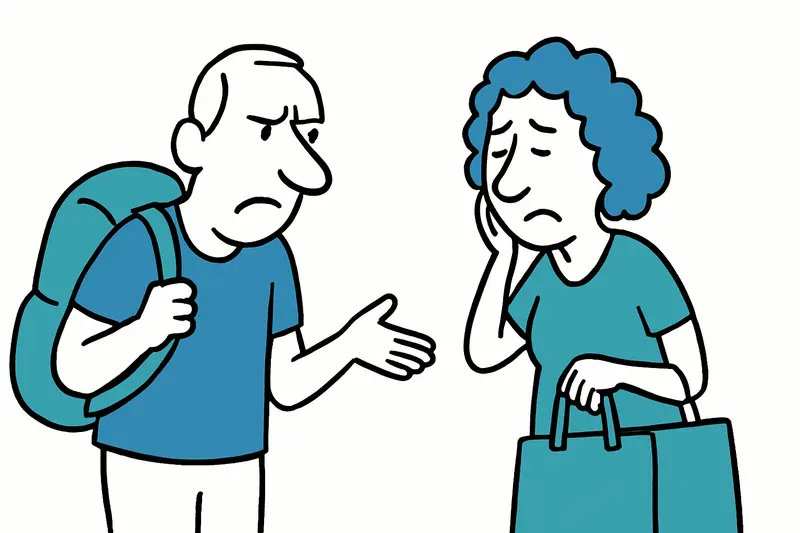
A completely ordinary scene: It is late morning in Palma, the heat lies flat over the rooftops, a bus on line 1 labors through the Passeig del Born. At the market an older woman arrives, shopping bag and sun hat; beside her a tourist with a camera and a bottle of water. The woman steps back because there is nowhere to give way. The image stands for many small humiliations of everyday life — not spectacular, but palpable.
Concrete solutions, without falling into abstract concepts: First, test more targeted time windows for tourist flows at popular spots — not total bans, but staggered visiting times that relieve everyday life. Second, invest revenue from tourist levies directly into measures for local daily life: public toilets, increased frequency in public transport, waste collection in residential neighborhoods. Third, pilot projects for 'residents-only' periods on certain streets or market days so locals can reclaim spaces. Fourth, stronger regulation of short-term rentals in residential areas and promotion of long-term tenancies so neighborhoods remain habitable; see Part-time Villages: How Second Homes Are Hollowing Out Mallorca's Communities for related policy discussion.
Small measures also help: clear signage so visitors find tourist sites and side streets remain calmer; information campaigns that call for consideration; flexible opening hours that are oriented to residents rather than only to day-trippers. Such measures offer less glamour and require more administrative will — both of which are often missing in heated debates.
What becomes immediately clear: there is no simple solution and no patent remedy to technically restore nostalgia or a sense of home. But there are levers that have been too little used so far. If the return of a Mallorcan expatriate like Carol resonates with so many people, it is because this is about more than holiday spots: it is about spaces where people can live their lives.
Conclusion: The critique is not a plea against guests but an appeal to treat the island not only as a product but as a living space. Mallorca can be economically strong and at the same time worth living in — but only if planning, fees and everyday protection work together more closely. Otherwise the final picture remains: many people, many voices, but less room for those who call this place home.
Frequently asked questions
When is Mallorca’s best season for good weather and swimming?
What should I pack for a trip to Mallorca?
Is it safe to swim at Mallorca's beaches?
Which Mallorca beaches are best for families or calm water?
What’s the best way to get around Mallorca without a car?
What are easy day trips from Palma de Mallorca?
Do I need cash in Mallorca, or are cards widely accepted?
Are there seasonal markets or festivals I should plan for in Mallorca?
Similar News
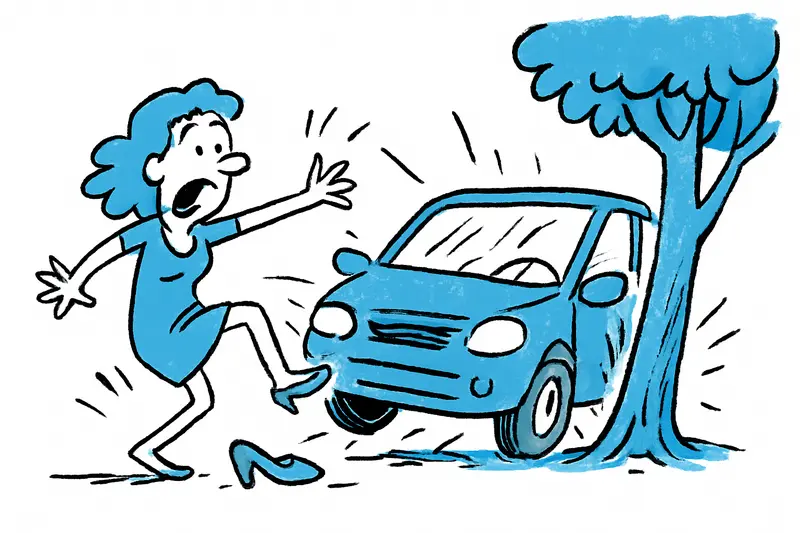
High heel slips, car accelerates: accident on Camí de Son Hugo
A woman lost a high-heeled shoe on the forecourt of the sports facility at Camí de Son Hugo. The car accelerated, mounte...
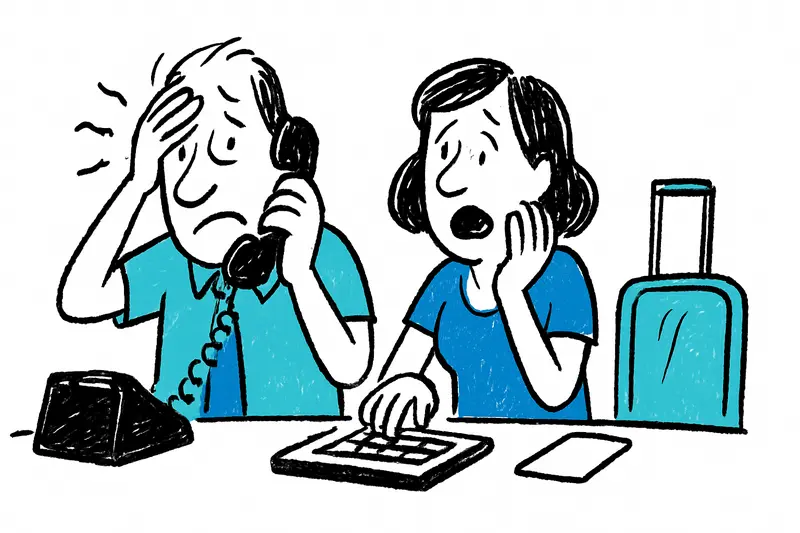
Phone Scam: How Two Hotel Employees at Playa de Palma Lost Thousands of Euros
One morning in September, two reception employees at Playa de Palma were pressured by alleged alarm-company staff — in t...
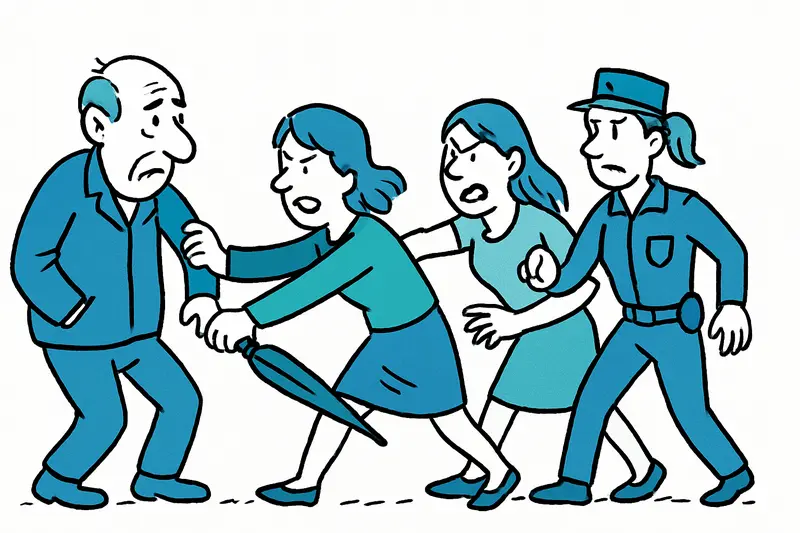
When the Wallet Becomes a Danger: Attack in Peguera and Lessons for Mallorca
In Peguera, two women are said to have stolen the wallet from a 75-year-old German couple. When the victim intervened, t...
Plata stays Plata: Young people take over, Llonguets remain
A small bar on Carrer de l'Argenteria will continue: Tolo Serra hands the place over to young Mallorcans at the end of t...
Unnoticed in the Luggage Compartment: How a Boy Traveled More Than 100 Kilometers in a Team Bus
A minor traveled in the undercarriage of a team bus for more than 100 kilometers until his cries for help were heard. A ...
More to explore
Discover more interesting content

Can Cap de Bou

Townhouse Lleo 72
