
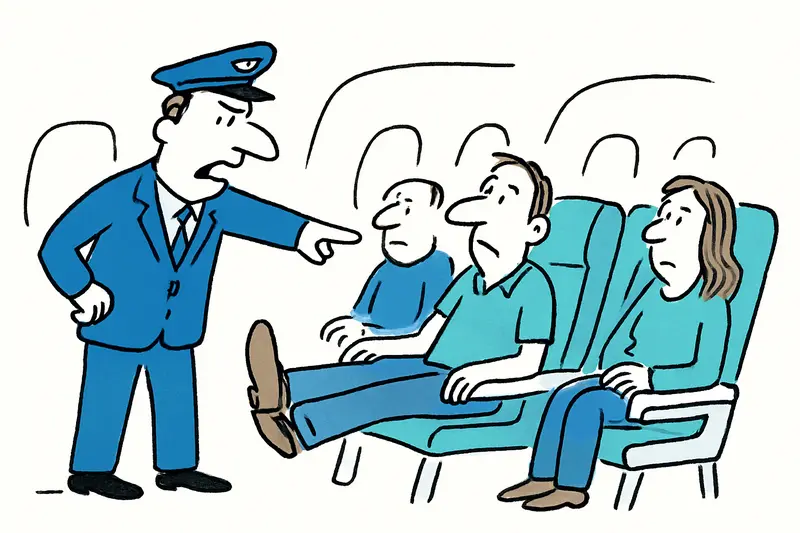
"You have too much legroom": A Ryanair joke — and why the dispute over seating reveals something else
"You have too much legroom": A Ryanair joke — and why the dispute over seating reveals something else
An ironic Facebook post by the airline about allegedly "too much legroom" sparked strong reactions. Why the issue is more than a joke and what we can do concretely in Mallorca.
"You have too much legroom": A Ryanair joke — and why the dispute over seating reveals something else
One post, many reactions — and the question of how seriously consumer communication in aviation must be taken
A few days ago an alleged message from the low-cost airline appeared on social networks, causing many laughs but also anger: roughly it read that the airline had "far too much legroom" and was considering adding another row of seats. The short, provocative statement struck a nerve. In Mallorca, where airports fill up like beehives in the summer months, travelers associate Ryanair with routines, experiences — and occasionally frustration about cramped seats, even down to Ryanair pictograms on seat backs in Palma.
Key question: How far can an airline's customer communication go when it is at the same time part of a business model that advertises itself precisely by fitting as many seats as possible? This is not just a question of tone. It's about expectations, transparency when buying a ticket, and the feeling of comfort on board.
The immediate reaction to the post was twofold: witty replies from passengers using irony, and sharp criticism from people complaining about the shortage of space, behavior at the gate, stricter hand-luggage checks, or extended waiting times. Some reacted offended, others vented with humor. The mix says a lot: part of the customers accept tight seating as a given, another part finds it intolerable — and both coexist in the confined space that is the aircraft. Incidents such as a carry-on dispute at an emergency exit in Palma illustrate how quickly comfort and safety concerns escalate, while stricter hand-luggage checks at Palma Airport have added another layer of tension.
Critical analysis: Such a social media post is more than a gag. It signals how an airline thinks about its own product policy — and how it markets it. When companies joke about cramped conditions, two effects follow: first, it downplays complaints and trivializes problems that affect some passengers seriously, healthwise or socially. Second, it shifts the boundary of what customers are expected to tolerate. The debate about "legroom" thus becomes a PR issue rather than clear information about the product purchased.
What is often missing in public discourse: concrete information at the point of sale. When buying tickets, customers often do not see a uniform standard for information such as seat pitch or seat width. There is a lack of simple, comparable labeling so travelers can make informed choices — without technical terms and without surprises at the gate. Nor is there often enough discussion about how tight seating affects people with health limitations or how much movement on board is allowed and sensible.
An everyday scene from Palma: early in the morning in the departure hall of Son Sant Joan — the smell of strong coffee mixes with the metallic tone of announcements. At Gate C5 two holidaymakers discuss the seat row: "Take the exit row seat," one advises, "it's extra, but it usually works." An older couple slowly wheel a suitcase past, the woman stretches out her legs because her knee hurts. Such small observations show that space is not only about comfort but about freedom of movement and dignity during a journey that can already be unpleasant.
Concrete solutions — practical, not theoretical:
1) More transparency when buying tickets: Airlines should display standardized information about seat pitch and seat width on the booking page. A simple traffic-light system ("Comfort", "Standard", "Compact") would avoid many misunderstandings.
2) Mandatory information at the airport: Airports could show a model or schematic of prominent seats (exit row, bulkhead, standard) in the check-in area. This costs little and builds trust.
3) Better advice by travel providers: Travel agencies and booking platforms in Mallorca should actively point out differences when selling — especially on routes regularly served by low-cost carriers like Ryanair; the ongoing Ryanair dispute with Aena over regional airports underlines how operational decisions affect passengers and regional connections.
4) Offers for sensitive travelers: More seats with extra legroom at fair surcharges, clearly indicated and accessible with a medical certificate if necessary. This helps older people, families with small children and people with mobility limitations.
5) Measured communication: Airlines should reconsider their social media tone. Humor is allowed, but not when it devalues legitimate complaints or increases feelings of insecurity.
Conclusion: The ironic Facebook post is a small trigger for a larger debate. It shows how closely economics, communication and everyday experience are linked. In Mallorca, where the airport becomes a bottleneck in hot summer weeks, operators, travel providers and airlines should work together to ensure that customers know what to expect when buying a ticket. A bit more honesty about space and a bit less ironic exaggeration would make many people's start to the holiday easier — and prevent some of the arguments about "too much" or "too little" legroom.
Frequently asked questions
When is the best time to visit Mallorca for good weather and fewer crowds?
Is it better to swim in Mallorca in summer or can you swim other times of year?
What should I pack for a Mallorca trip?
Should I rent a car or rely on public transport to explore Mallorca?
What local foods should I try in Mallorca?
Do people in Mallorca speak English, and should I learn some Spanish phrases?
What are must-visit places on Mallorca for a first trip?
Are there etiquette tips I should know when visiting Mallorca, like dress codes or tipping?
Similar News
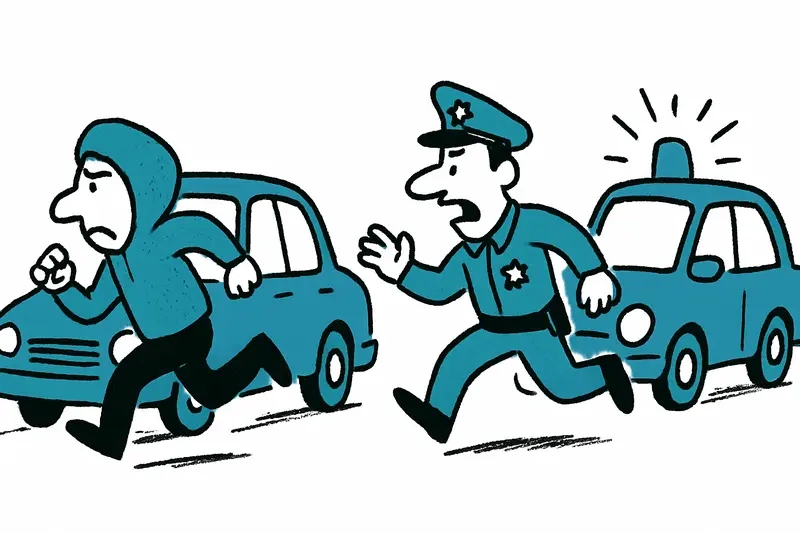
Rental Car Theft in El Arenal: What This Incident Reveals About Our Gaps
A teenager steals a running rental car in El Arenal, flees on foot, climbs over walls and is caught by the Guardia Civil...
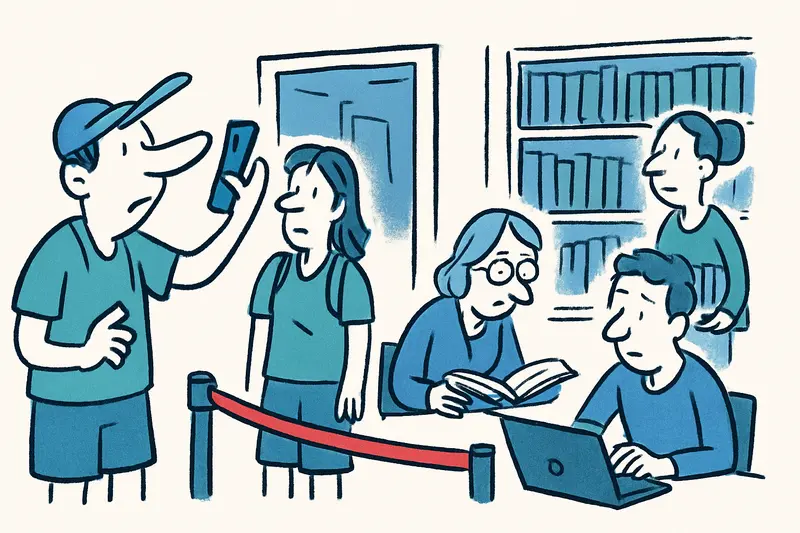
Red Rope in Palma's Library: What Helps Against Selfie Tourism — and What's Missing
Palma's city library cordoned off an area with a red rope to keep selfie tourism away from reading and working activitie...
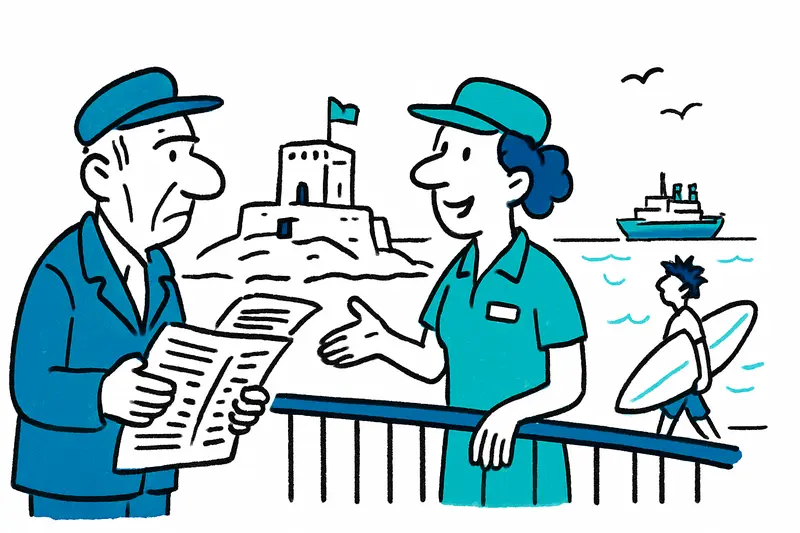
Fort San Carlos: Museum, Harbor Dispute — and a Conflict That Demands Answers
The military museum at Fort San Carlos sits right on Palma's harbor, with unexpectedly quiet rooms filled with cannons a...
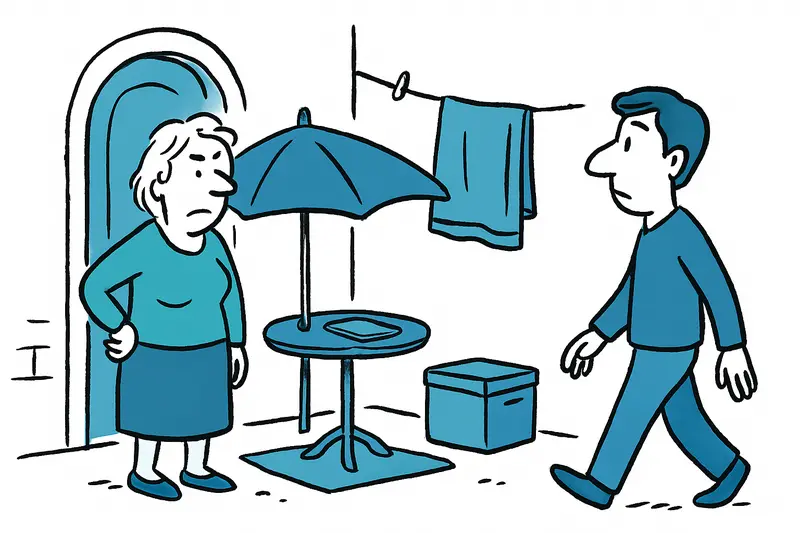
Old Town Under Pressure: When a Doorway Becomes a Sleeping and Shower Place
For months a woman has been living with a parasol, a clothes rack and personal belongings next to the social welfare off...
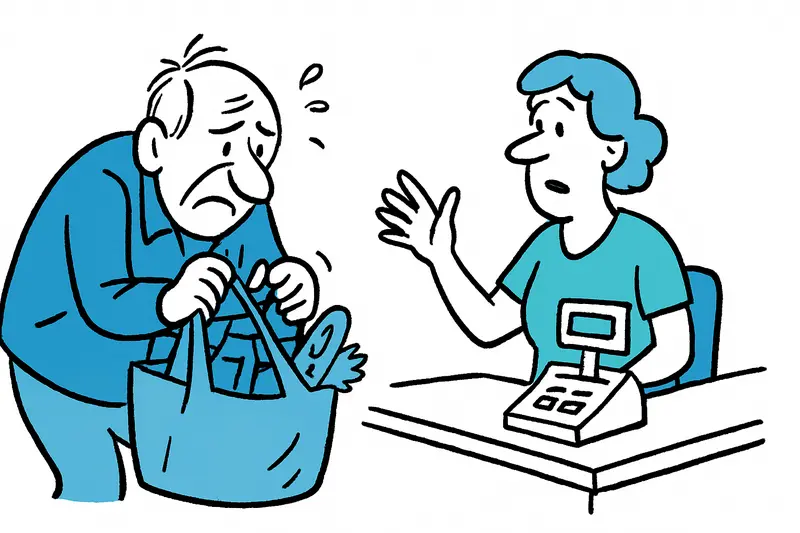
When Shopping Weighs Heavier: Mallorca Demands a Tax Pause on Food and Fuel
Rising prices are putting pressure on households and agriculture. The Balearic Islands are calling for temporary tax rel...
More to explore
Discover more interesting content

Can Cap de Bou

Townhouse Lleo 72
