
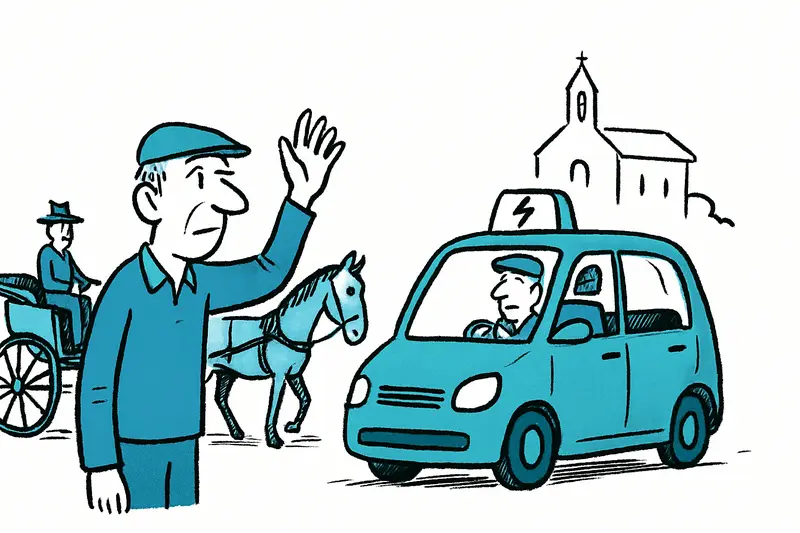
Sant Llorenç says 'Adiós' to horse-drawn carriages — room for quiet electric cabs
The municipality of Sant Llorenç is gradually replacing tourist horse-drawn carriages with electric vehicles. Two e-cabs are already in service, the regulation allows up to seven and foresees a three-year phase-out for horses. What this means for locals, drivers and visitors.
Sant Llorenç says 'Adiós' to horse-drawn carriages — room for quiet electric cabs
On a hot morning in the Carrer Major of Sant Llorenç the scent of freshly baked ensaimada hangs in the air, the church bells chime half past ten and tourists pull their sun caps down lower over their faces. Between the small shops and the Plaça something new has arrived this summer: electrically powered cabs that glide through the narrow streets with a quiet hum instead of the clatter of hooves.
The municipal administration recently introduced an adjustment to the local regulations that formally recognises electrically powered carriages as an allowed form of public transport. The rule is still under review; the town council is expected to decide in September. One thing is clear: a maximum of seven vehicles will be permitted, and currently two electric cabs are already in operation. The plan foresees a phased replacement of the remaining horse-drawn carriages within three years.
For many residents it feels like a small cultural shift. Similar debates have unfolded in nearby Palma, reflected in Palma Struggles to End Horse-Drawn Carriages: Majority but No Final Decision.
At the same time, there were repeated critical glances at the working animals during hot weather or on narrow streets. The wider discussion has been covered in local reporting such as Palma and the Horse Carriages: Between Nostalgia, Costs and a Change of Heart.
The new cabs promise to put animal welfare first while offering guests a more comfortable, cleaner ride through the town.
Less noise, no hoof beats, no horse droppings on the pavement — those are the immediately visible differences. There is more behind it: the regulation not only governs the use of the vehicles but also operating requirements and conditions of use. The municipality states that the two electric cabs already running have passed all necessary inspections and permits so that nothing is rushed. Related animal-welfare measures have prompted policy responses elsewhere, for example Palma orders medical checks for carriage horses — turning point for horse-drawn carriages?.
Other towns on the island have already gone ahead. Alcúdia introduced electric tourist carriages to its streets in 2025, and Palma started with its own models in 2026. Sant Llorenç thus joins a development that aims to make local mobility more modern and animal-friendly without losing tourist appeal.
How can the transition work for drivers and visitors?
The change will only work if efforts are made on several fronts. Practical proposals already mentioned in conversations in cafés and at the market include: a network of charging points near the stops, training for drivers so they can operate the technology safely and accompany tourists courteously, and transitional arrangements for stable operators who previously housed the horses. Possible alternatives include converting stables into workshops, starting points for walks, or small exhibitions on the history of carriage rides.
Tourism-wise the change can be sold well: instead of the traditional photo motifs, guided city routes with audio guides, local tastings or short afternoon rounds for families could be offered. This way the source of income remains but appears more modern and meets the expectations of many holidaymakers who care about animal welfare.
The mood on the streets of Sant Llorenç is mixed but rather relaxed. Younger visitors greet the new vehicles with curiosity, while older regulars remember times gone by. In the end it shows: change need not be loud or sudden. With clear rules, technical checks and a plan for the people on the ground, the switch from horse to battery can be carried out with care.
On a summer evening, walking across the Plaça, you can see the quiet e-cabs stopping at the edge, families get in, drivers give a few tips on pleasant routes — and the horses of the past remain in pictures and memories, no longer on the streets. This is a change arriving in Sant Llorenç: practical, respectful, a little dreamy, but also very Mallorcan in the way it balances tradition and everyday life.
Frequently asked questions
What changes are happening with horse-drawn carriages in Sant Llorenç?
How will the electric cabs operate in Sant Llorenç?
Why is Sant Llorenç switching from horse-drawn carriages?
How does this compare with other Mallorca towns?
What could visitors expect instead of the traditional photo with horses?
What practical considerations should a visitor know in summer?
How will drivers and local businesses adapt to the transition?
What is the timeline for finalizing the switch in Sant Llorenç?
Similar News
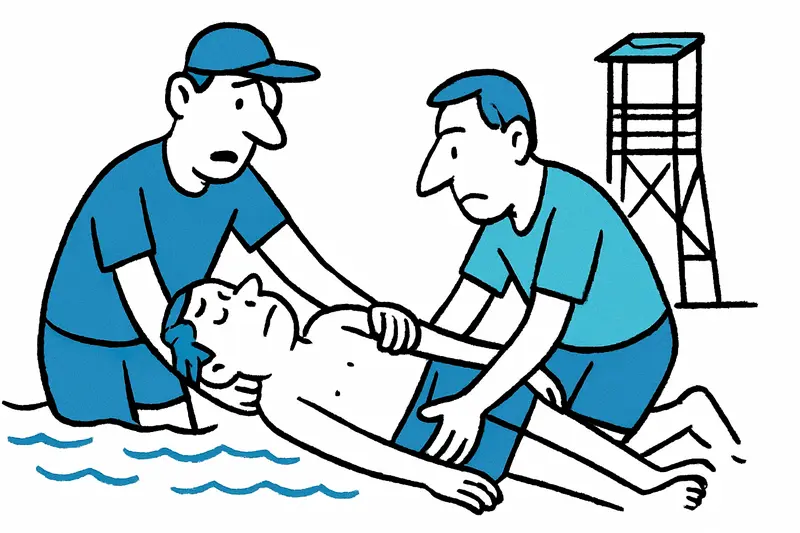
Magaluf: Watchtower Alarm – Lifeguards Pull Unconscious Beachgoer from the Water
After a drama in the late afternoon, two lifeguards at Magaluf beach rescued an unconscious 44-year-old man. He was stab...

Turquoise in the City: How dangerous is the color play of the Sa Riera?
The Sa Riera in Palma suddenly turned turquoise — a pretty motif, but behind the effect lies a discharge of saline waste...

Jeckliner at Sunnesching: Cologne spirit sets sail from Palma
In September 2027 the Mein Schiff 2 briefly becomes a floating carnival stage: four days with Cologne bands, comedy and ...
Finally Home: Mike and Leyla Heiter Buy Villa with Sea View in Mallorca
The reality TV couple Mike and Leyla Heiter have bought a house in Mallorca with a roof terrace and sea view. An Instagr...

Arrest after series in Palma: Who protects apartments from repeat offenders?
The National Police arrested a man in Palma who investigators say may have broken into several apartments. In one incide...
More to explore
Discover more interesting content

Can Cap de Bou

Townhouse Lleo 72
