
"Sea of Trash" off Palmanova: A Ray as an Unintended Warning
A video by the diver "Es Canari" shows pieces of plastic and other debris among Posidonia meadows off Palmanova. Why is this often not visible from the surface - and who has to act?
"Sea of Trash" off Palmanova: A Ray as an Unintended Warning
Key question: Who will clean up - and how do we stop plastic from becoming permanently lodged on the seabed?
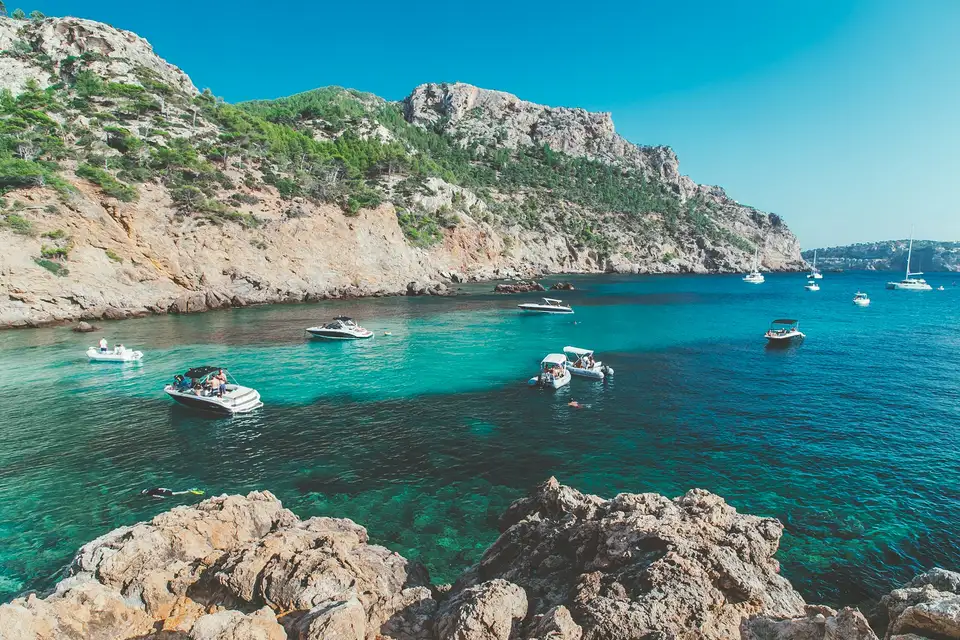
During an early dive off Palmanova, local diver Ramón Javier Fernández Barea, known as "Es Canari", filmed something you would not expect on a sunny day at the beach: plastic and other debris trapped in the Posidonia seagrass meadows, as documented in What Lies Beneath Mallorca's Coast: Trash Slipping Out of Sight. Particularly striking: a ray swimming through the remains as if the sea were a rubbish heap instead of a habitat. The images stay in your mind: not just litter, but an entire ecosystem being disturbed.
Critical assessment: The problem is visible, but not new. Anchoring by boats, runoff from the shore after heavy rains, carelessly discarded bottles and packaging - all of this ends up not only on beaches but also in deeper areas where seagrass meadows grow. Posidonia is not decoration; it produces oxygen, binds sand and provides shelter for juvenile fish, as explained in Posidonia on the Beach: Why the Brown 'Leaves' Aren't Trash. When plastic accumulates there, key functions are undermined. And you often only see that when someone goes down with a camera and breathing apparatus.
What is missing from the public debate: discussions usually focus on visible pollution on the beach or on boat traffic at the surface. Hardly anyone talks about the hidden ledger of damage below the waterline: how microplastics enter sediments, how degradation products alter nutrient balances, and how species compositions can change in the long term, as explored in Sea off Mallorca: When the Underwater Meadow Disappears. There is a lack of systematic mapping of hotspots, transparent data on fishing and boating debris, and an honest weighing of tourism interests against marine protection.
A small everyday scene to put it in context: on the Paseo Marítimo in Palmanova early in the morning - delivery vans roll by, the frying pans in the beach bars already give off their typical smell, a fisherman cleans his net, children build sand sculptures at the shore. The sea sparkles clean - until you dive down. The discrepancy between surface order and hidden pollution is tangible here.
Concrete solutions we could tackle immediately: first, designate more mooring buoys so ships do not drag anchors over Posidonia and debris can be collected more easily. Second, filters or catchment devices at drains and maritime inlets to stop packaging before it reaches open water. Third, hold local waste management and tourism businesses accountable - hotels and boat rental companies should communicate clear waste rules and drastically reduce single-use plastics.
Fourth, the island administration, port authorities and municipalities need regular, publicly accessible reports on collection actions and quantities found. When divers like "Es Canari" recover debris, finds should be catalogued and reported to a central body, creating data for targeted measures, similar to centralized efforts described in Almost 37 Tons of Waste: What Mallorca's Cleanup Fleet Really Tells Us. Fifth, promote citizen science - diving clubs, schools and beach sponsorships could report hotspots and thus form a network of observers.
What will not help: pure PR campaigns with pretty pictures but no concrete controls or infrastructure improvements. Occasional clean-ups alone will not provide long-term protection if the sources of the waste remain unaddressed. A combination of prevention, infrastructure and sanctions is needed - and: transparent figures.
In short: the footage of the ray is not an isolated photo but a warning sign. Palmanova needs more than a Sunday clean-up. Harbour masters, the Consell, municipalities and businesses must cooperate - with clear responsibilities, regular mapping and real incentives for prevention. And people on the promenade? A little more care never hurts: the daily bottle in the bin, not in the dunes, makes a difference.
Conclusion: This sea is not a landfill. The ray among plastic fragments is a warning we must not simply like and forget. If we take the underwater-visible waste seriously, we simultaneously protect bathing activities, fish stocks and the island we rely on. This is a task for administration, business and every single person on the beach.
Frequently asked questions
What happened off Palmanova that raised concerns about Mallorca’s marine environment?
How does plastic waste affect Posidonia seagrass in Mallorca’s waters?
What practical steps can reduce marine debris around Mallorca?
Who should publish regular debris reports and map hotspots around Mallorca?
How can visitors and locals help protect Mallorca’s marine environment, especially near Palmanova?
Why is looking beyond beach litter important for Mallorca’s seas?
What is needed beyond occasional cleanups to protect Mallorca’s coast long term?
How can people participate in monitoring marine debris around Mallorca?
Similar News

Tragedy on the MA-4020: 23-year-old dies, police seek cause of crash
On the MA-4020 country road between Manacor and Porto Cristo a car overturned and hit a tree. A 23-year-old woman died a...

After unrest at Playa de Palma: Senegalese community demands prospects and rejects crime
After the police operation at Playa de Palma, the association of Senegalese immigrants speaks out: a clear distancing fr...
So Many Tonnes: What Mallorca's Garbage Boats Accomplish — and What's Missing
23 boats patrol in summer, and 36.8 tonnes were recently pulled from the water. The fleet is shrinking — is that still e...
No Identification Documents on the Steep Slope: Body near Tolleric Raises Questions
The body of an elderly man was found over the weekend in a wooded area near the cliffs of Tolleric. He had no identifica...

Arrest at the Port: Three Suspected Pickpockets Left Mallorca After Series of Thefts
The National Police stopped three men at Palma harbour who are accused of several thefts at the airport. How could the g...
More to explore
Discover more interesting content

Boat Tour with BBQ along Es Trenc Beach

Private transfer from Mallorca Airport (PMI) to Pollensa
