
Serious canyoning accident in Sóller: What the fall in the Torrent de ses Llemes reveals about safety on the island
Serious canyoning accident in Sóller: What the fall in the Torrent de ses Llemes reveals about safety on the island
A 51-year-old man fell about seven meters in the Torrent de ses Llemes. Helicopter rescue, handover to an advanced emergency ambulance (SVA) and a stay at Son Espases – the accident raises questions about preparation and the rescueability of remote gorges.
Serious canyoning accident in Sóller: What the fall in the Torrent de ses Llemes reveals about safety on the island
Key question
How well prepared are people and authorities on Mallorca really when a serious accident occurs in remote gorges like the Torrent de ses Llemes?
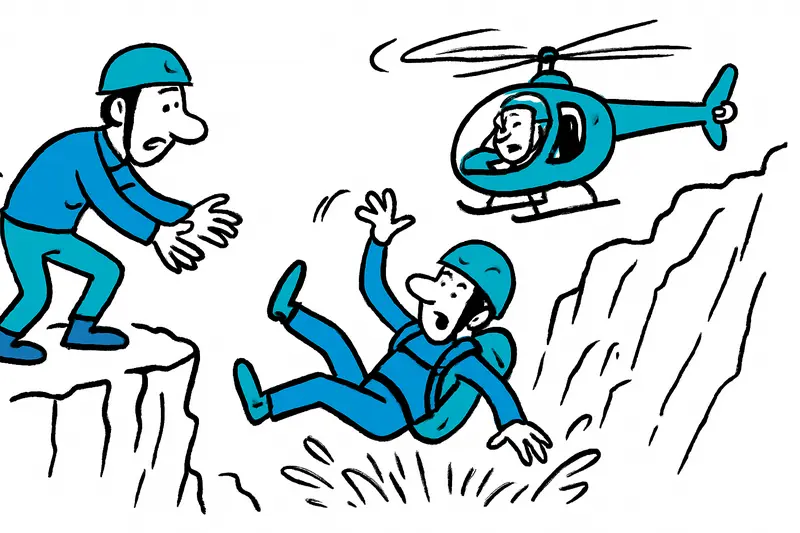
Early on Tuesday afternoon a 51-year-old man was seriously injured while canyoning in the Torrent de ses Llemes near Sóller: according to the emergency services, he fell at about 13:10 from roughly seven meters. Because hiking and climbing routes are too narrow or do not exist at all, rescue teams could not reach the site on foot. Firefighters and emergency services therefore deployed a helicopter with a doctor on board; the injured man was treated and stabilized on site and transferred by air to a SAMU 061 ambulance with extended emergency medical equipment. He was then taken to the University Hospital Son Espases in Palma, and his condition was classified as 'serious'.
The facts are brief and concrete. But what lies behind the fast yet complicated rescue? And where are the gaps before a rotor starts roaring over the villages?
Critical analysis
First: remote gorges and torrent courses are not new problems. The Serra de Tramuntana is narrow, steep and in many places difficult to access. That means: accidents are intrinsically more complex in terms of rescueability, as shown in Heatstroke in the Torrent de Pareis: Rescue Raises Questions About the Safety of Hiking Groups. Second: air rescue works, but it is no panacea. Helicopters can reach their limits in wind, poor visibility or where landing sites are restricted; local reporting such as Helicopter over Cala Deià: Rescue in the Tramuntana and the Uncomfortable Questions documents both successes and operational limits. Third: responsibility is shared. Recreational participants, tour operators, municipal authorities and rescue services jointly bear the task of reducing risk. In the current operation there was apparently rapid medical care on site; this shows that the system can handle complex cases. But reliability also means repeatable prevention and clear rules, not just effective crisis management in isolated incidents.
What is missing from public discourse
After an accident people often talk about the rescue, rarely about preventive measures. There is a lack of concrete, locally tailored information: Which sections of torrents are officially marked as particularly risky? What requirements apply to commercial canyoning providers on Mallorca? What about accurate maps, mobile signals or emergency points at known entry points? The conversation between authorities, guiding companies and locals too often falls short behind the headlines.
An everyday scene from Mallorca
Imagine: In the late afternoon guests sit in a small café at Plaça d’Espanya in Sóller. The air smells of freshly brewed café con leche and pine. From time to time distant engine noise cuts across the village — a helicopter crossing the mountains is not uncommon here, as in Paraglider Crash at Mirador de Sa Torre: A Rescue Drama and the Open Question of Safety. Conversations revolve around good beaches, free parking and whether one should really do the tour to the Torrent de ses Llemes alone. This mix of calm and respect for the terrain shapes life on the island; only occasionally does it turn into an alarm and an urgent transfer to hospital.
Concrete measures
- Better information offerings: local, up-to-date maps with risk levels for torrents, accessible online and as printed notices at car parks and trailheads.
- Minimum standards for providers: compulsory registration, qualified mountain guides and equipment checks for commercial canyoning groups.
- Emergency points and mobile masts in sensitive areas: where securing and rescue times are particularly prolonged, small investments provide large gains in rescueability.
- Joint exercises: regular scenarios between fire brigades, SAMU, mountain rescue and local guides so that handovers (air to ground, doctor on board, handover to advanced ambulance) run smoothly.
- On-site education: short, concise notices for recreational participants — for example minimum equipment requirements and decision rules for weather changes.
Conclusion
The air rescue in the Torrent de ses Llemes worked this time and probably prevented worse outcomes. But good emergency medicine must not be the only answer. Those who enter the gorges live with risks. The island can reduce these risks if authorities, providers and users cooperate more clearly and preventive infrastructure is expanded in the right places. Otherwise, after every spectacular operation the same question remains: why help only after something has happened?
Frequently asked questions
How prepared are Mallorca’s rescue services for serious canyoning accidents in remote gorges?
Why is air rescue used in canyoning accidents on Mallorca, and what limits does it face?
What preventive measures exist to reduce canyoning accidents in Mallorca?
What should I know before going canyoning in Mallorca?
Are there risk maps for Mallorca's torrents to guide canyoning decisions?
What role do local communities and guides in Sóller play in canyoning safety?
Are there dedicated emergency points or mobile coverage improvements in Mallorca’s gorges?
How should weather influence canyoning plans in Mallorca?
Similar News
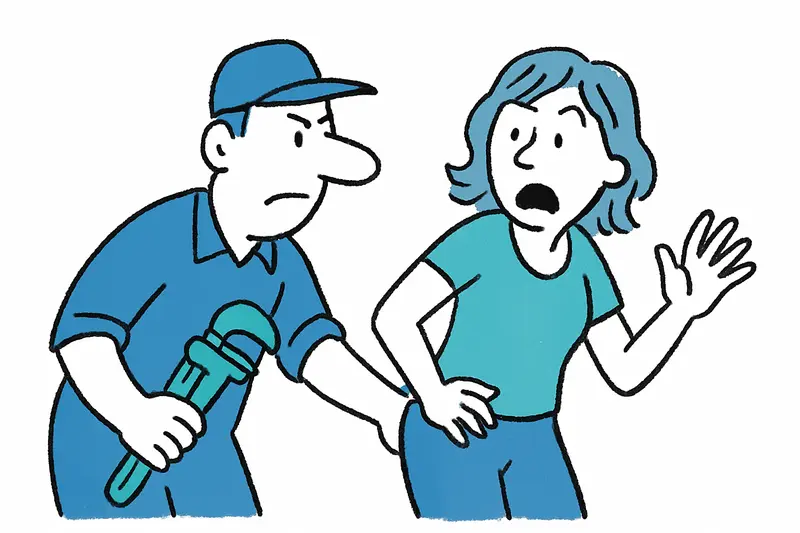
When the tradesman crosses the line: An assault in Palma and what's missing now
A woman reports a sexual assault by a plumber in Palma. The National Police arrested a suspect who was later released. W...
Two new cafés with terraces at the departure area of Palma Airport
Just before the gate: Two new cafés called "Costa Coffee" and "Deliquo" have opened on the departures level of Palma Air...
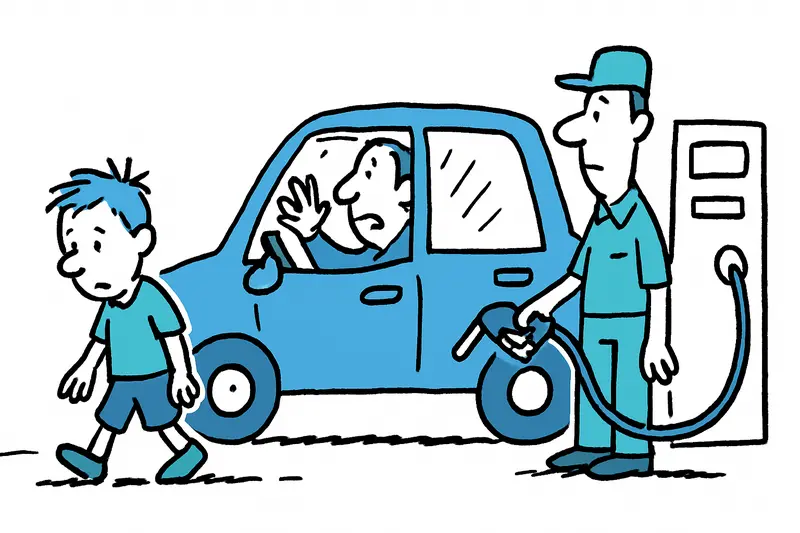
How a Ten-Year-Old Was Left Alone for 140 Kilometers: A Wake-Up Call After the Gas Station Mishap
A child got out at a highway service station and was only found again 140 kilometers later. How can this happen, what's ...
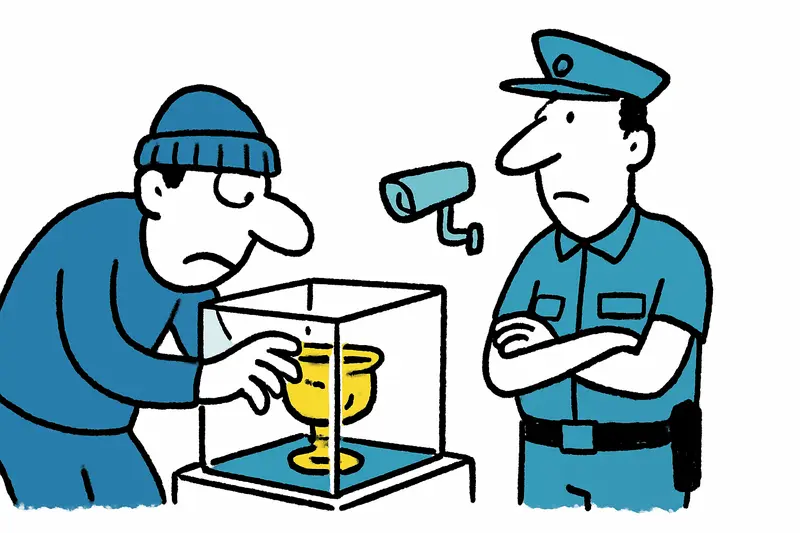
When Gold Becomes a Temptation: How Secure Are Mallorca's Museums?
The theft of major gold finds on the Spanish mainland has alarmed museums in Mallorca. How vulnerable are smaller instit...
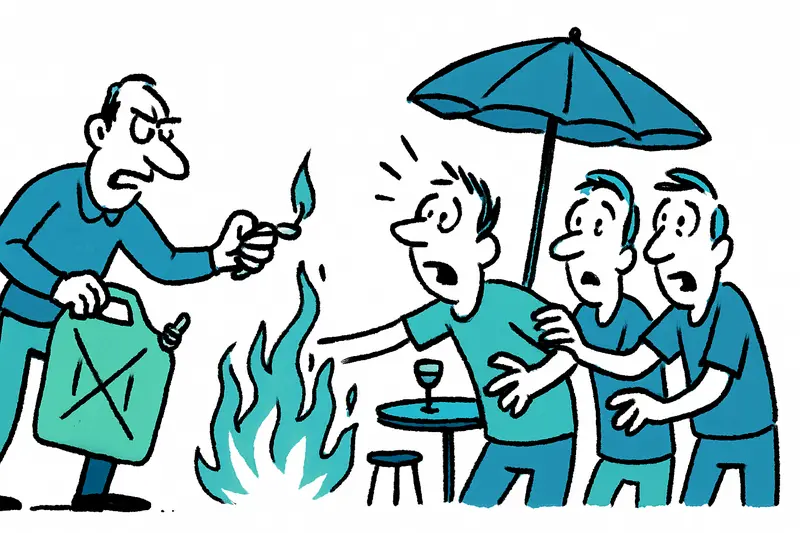
When Quiet Was No Longer Enough: Man Tried to Set Bar Terrace in Son Oliva on Fire
A neighborhood dispute in Son Oliva escalated: a resident came down carrying a petrol can and a lighter and attempted to...
More to explore
Discover more interesting content

Boat Tour with BBQ along Es Trenc Beach

Private transfer from Mallorca Airport (PMI) to Pollensa
