
Living in Mallorca: Nearly 10,000 Households on the Social Housing Waiting List
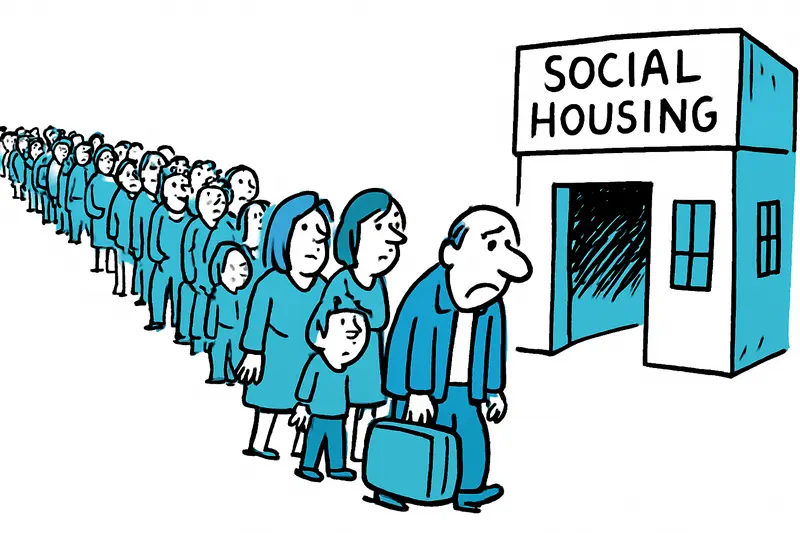
The waiting list for social housing in the Balearics is growing — nearly 10,000 families are waiting, more than 6,000 on Mallorca. Why the situation is tipping and what could help.
Housing becomes a test of patience: Nearly 10,000 households on the waiting list
When you ride the bus along the Avenidas in the morning, the scent of coffee, voices from open cafés and the clatter of cups mix in the air. Beneath all that noise there is another tune: the quiet worry about affordable housing. Currently nearly 10,000 families are on the waiting list of the Balearic housing institute Ibavi — more than 6,000 of them on Mallorca. This is not an abstract number; these are neighbours, colleagues and tradespeople who are increasingly desperate in their search. This is detailed in Sky-high prices, tents, empty promises: Why Mallorca's housing crisis is no longer a marginal issue.
The numbers tell a clear story
Registrations are about 20 percent higher than last year and almost 50 percent more than four years ago. At the same time, rents and purchase prices have risen by approximately 80 percent over the last ten years. Such increases eat into incomes — many report that already half of their net salary goes to cold rent. That pressure is examined in Rent-price shock 2026: How Mallorca is heading toward a social crisis. Particularly affected are single parents, young families, and workers in the service sector, from supermarkets to childcare. Cases of multi-family occupancy are described in When Living Rooms Become Bedrooms: How Mallorca Suffers from a Housing Shortage.
Why the waiting list does not get shorter
Red tape and insufficient capacity at Ibavi play a role, but the fundamental problem is structural: the island, shaped by tourism, has a real estate market oriented toward returns rather than sustainability. Short-term rentals, vacant holiday apartments during peak times and the conversion of residential units for tourist purposes exacerbate the supply problem. A little-noticed consequence: many shops remain empty because owners prefer to target tourist use — this changes entire neighbourhoods.
What is often overlooked
Public debates often miss the practical hurdles: How many developers actually receive subsidies, how quickly can reclassifications be realized, and why do some municipal housing stocks remain unused? Above all there is a lack of a unified roadmap between the island government, municipalities and private owners. The issue of subletting for seasonal workers or the temporary use of unused hotel capacity in winter is also rarely pursued systematically.
Concrete approaches — not just Sunday speeches
There are solutions that may not work overnight but could have a faster effect if combined:
1. Accelerated reclassification and renovation: Municipal task teams to inspect vacant buildings and release them for social housing. This would streamline construction and approval processes without sacrificing quality.
2. Incentives for owners: Tax relief or grants when vacant apartments are allocated to social programs — instead of being handed over to the holiday market.
3. Temporary solutions: Use of underutilized hotels in the low season or modular housing as bridge offers until permanent housing is created.
4. New housing models: Housing cooperatives, community land trust models and municipal building groups could decouple ownership and keep housing affordable in the long term.
Such measures require money, courage and coordination. Island politics has some pilot projects on the table, but the path from idea to implementation is often longer than the patience of those affected.
Who pays the price — and who benefits?
If nothing changes, a two-tier island threatens: tourism and luxury properties thrive while local workers are pushed out of the towns. That drags schools, small craft businesses and train stations into a downward spiral. More than 800 people now sleep on Mallorca's streets, as reported in Mallorca's Streets Are Growing Longer: Why More Than 800 People Are Homeless and Nothing Solves It by Itself. Conversely, affordable housing can secure local quality of life: busy bakeries, lively markets like Mercat de l'Olivar and neighbourhoods where young and old can stay.
A perspective with urgency
On the Plaça des Capitoli, when the wind comes from the sea and the chestnut leaves rustle, you meet people demanding concrete solutions — not just announcements. What is needed now is a bundle of short-term bridges and long-term planning: more available apartments, faster procedures and a rethink in the use of real estate.
Those affected or looking for help can find support at local advisory centres and municipal social services. And if you notice on your next walk through Palma that a property has been empty for years: it's worth asking. Sometimes change begins with a conversation on the Plaça.
Frequently asked questions
Why is affordable housing such a problem in Mallorca right now?
How many households are on the social housing waiting list in Mallorca?
Who is most affected by Mallorca's housing crisis?
What makes Mallorca's housing waiting list so slow to move?
Can empty flats in Mallorca be used for social housing?
Are temporary housing solutions being considered in Mallorca?
What can people in Mallorca do if they need housing help?
How is Mallorca affected when local workers cannot afford to live there?
Similar News

Near-miss on Lanzarote: Landing Ryanair Jet and Iberia Takeoff — what really went wrong
On Lanzarote there was a dangerous incident: A Ryanair flight (FR5910) from Dublin landed on runway 03 while an Iberia E...

Eurowings introduces new Premium Business seats on Mallorca routes
From December 1, selected Eurowings flights to Palma and other destinations will feature eight particularly generous sea...

Car on MA-13 near Inca in flames – a safety check for the island
A vehicle caught fire on the MA-13 towards Alcúdia on Tuesday afternoon. The driver was uninjured, the car was destroyed...

Real Estate in Mallorca: Fewer Buyers, Higher Prices — What's Behind It?
Sales on Mallorca are falling, yet prices continue to climb. Why fewer transactions do not equal relief — and what shoul...
Just Bought — Already Trouble: Water Damage in the Heiters' Villa and What Owners in Mallorca Should Know Now
A newly purchased sea-view property — and within days a water damage. What risks lurk in new properties in Mallorca, and...
More to explore
Discover more interesting content

Can Cap de Bou

Townhouse Lleo 72
