
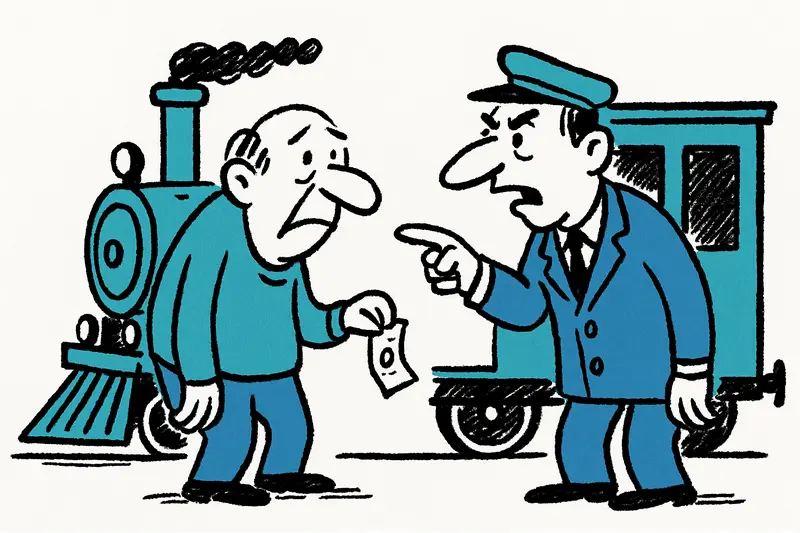
Fewer passengers, still expensive: Is the Tren de Sóller dependent on visitors?
Fewer passengers, still expensive: Is the Tren de Sóller dependent on visitors?
The historic "Red Lightning" runs again — with maintenance costs, full coffers and high prices. Who benefits, who is left out? A critical look.
Fewer passengers, still expensive: Is the Tren de Sóller dependent on visitors?
The key question
How long can the historic Tren de Sóller sustain its existence on expensive tourist tickets without fundamentally changing its connections and cost structure?
Critical analysis
The small train that has connected Palma with the orange valley since 1912 runs again after the winter pause. Repairs to overhead lines, tunnels and stations were necessary (the operator paused services until February to carry out the work); the company calls the work costly — and charges steep fares: €30 for a return Palma–Sóller–Palma trip, €40 if you include the tram to the harbour. At the same time, the operator reports a decline in passenger numbers compared to the previous year, yet the service apparently remains economically viable. That raises two questions: How much of the bill do tourists pay, and how much would residents or public authorities have to contribute for the train to continue running on its current schedule?
The timetables are limited: departures from Palma at 10:30, 12:50, 15:10 and 18:00; return from Sóller at 11:30, 13:50, 16:10 and 19:00. Those boarding in Bunyola pay less — a hint at a pricing structure that favors local short journeys but treats day-trippers from Palma as the main payers.
What's missing from public debate
There are hardly any clear figures on cost allocation: What are operating costs versus maintenance investments? Which revenues come from tourist fares, which from season tickets or subsidies? Also little discussed is whether the timetable and fares could be integrated with the public transport network (TIB). And a topic often overlooked: the attraction's pull on town centres — from crowded platforms to security problems caused by pickpockets.
Everyday scene
Monday morning at the station: a barista wipes the counter, the smell of coffee mixes with orange aromas from passengers' suitcases. An older woman with a shopping bag boards with her Bono card; two couples take photos, a father explains the wooden carriages to his son. The clock shows 10:25, the typical restlessness before departure. This is a day when locals and visitors meet in close quarters — and do not always share the same interests.
Concrete approaches
- Create transparency: publish annual accounts and a breakdown of investments, operating costs and ticket revenues. That builds trust and enables factual discussions about possible subsidies.
- Rethink pricing: introduce tariff offers for residents, commuters and families alongside tourist premium tickets. A "Locals Day" with discounted fares could increase use and acceptance.
- Integrate into the public network: combo tickets with the TIB or discounted connecting rides from residential areas would encourage use without additional private car traffic.
- Seasonal offers and events: use maintenance periods to organise cultural or educational rides in the off-season that stabilise local demand and generate extra revenue.
- Increase security: more presence at the station, clear information for travellers and cooperation with the local police against theft — the attraction suffers from an image problem.
Punchy conclusion
The Tren de Sóller is more than a tourist spectacle; it is a piece of island history. But if it lives solely on paying guests, responsibility for maintenance and safety is pushed aside. A combination of greater transparency, fair fares for locals and smarter integration into the transport network could make the train economically and socially more stable — without ending the camera shots on the platform.
Frequently asked questions
Why is the Tren de Sóller so expensive for visitors?
Is the Tren de Sóller still running regularly after the winter break?
What are the Tren de Sóller departure times from Palma?
How much does the Tren de Sóller cost if you also take the tram to Port de Sóller?
Is the Tren de Sóller cheaper for local trips from Bunyola?
Does the Tren de Sóller mainly depend on tourists?
Can the Tren de Sóller be integrated better with Mallorca's public transport?
Is it safe to take the Tren de Sóller and visit the station in Palma?
Similar News
Magaluf: Watchtower Alarm – Lifeguards Pull Unconscious Beachgoer from the Water
After a drama in the late afternoon, two lifeguards at Magaluf beach rescued an unconscious 44-year-old man. He was stab...
Turquoise in the City: How dangerous is the color play of the Sa Riera?
The Sa Riera in Palma suddenly turned turquoise — a pretty motif, but behind the effect lies a discharge of saline waste...

Jeckliner at Sunnesching: Cologne spirit sets sail from Palma
In September 2027 the Mein Schiff 2 briefly becomes a floating carnival stage: four days with Cologne bands, comedy and ...
Finally Home: Mike and Leyla Heiter Buy Villa with Sea View in Mallorca
The reality TV couple Mike and Leyla Heiter have bought a house in Mallorca with a roof terrace and sea view. An Instagr...
Arrest after series in Palma: Who protects apartments from repeat offenders?
The National Police arrested a man in Palma who investigators say may have broken into several apartments. In one incide...
More to explore
Discover more interesting content

Can Cap de Bou

Townhouse Lleo 72
