
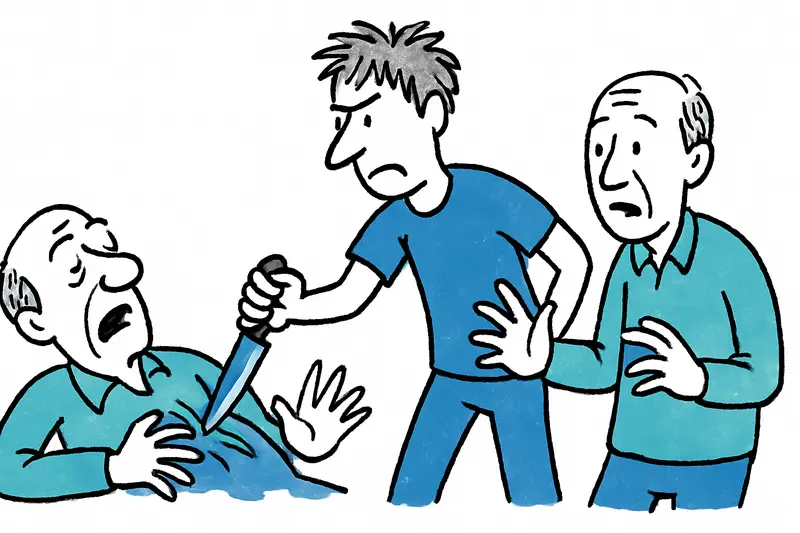
Son Ferriol: 20-year-old stabs father and grandfather — why answers are missing
In Son Ferriol, a young man was arrested after injuring his father and grandfather with a knife. The grandfather is critically injured at Son Espases. Why it came to this remains unclear — and the case raises broader questions about prevention on Mallorca.
Son Ferriol: Knife attack within the family — the questions we must ask
On Saturday around 1:00 p.m., a nightmare unfolded in an apartment in Son Ferriol: an approximately 20-year-old man is alleged to have attacked his father and grandfather with a kitchen knife. The father suffered multiple stab wounds and is described as not being in life-threatening condition. The grandfather was significantly more seriously injured and was taken to the University Hospital Son Espases after emergency surgery. The suspected perpetrator was provisionally detained and taken to a psychiatric ward for assessment. The motives and background remain unclear.
Main question
How do we prevent family conflicts on Mallorca from escalating into such extreme violence — and why do we know so little about the warning signs?
Critical analysis
The bare facts are alarming, but not new: eruptions of domestic violence, sudden mental health crises and easy access to knives form a dangerous mix. On the island, close family ties meet limited municipal resources for mental health. Police acted quickly and emergency services brought the victims to hospital. That is important, but reaction is only half the solution; similar investigations have raised questions about response times and follow-up, as in New leads in the Malén Ortiz case: Why answers in Mallorca are taking so long. We need an honest inventory of what is not working — from early detection to outpatient care, from mainstream medicine to the neighborhood level.
What is missing from public discourse
What is rarely discussed is the informal social control in neighborhoods like Son Ferriol. People know each other and hear things, but often stay silent out of shame or fear of being wrong. Mental illness is still stigmatized; many families seek help only when the situation escalates. There is a lack of interconnected services: general practitioners, counseling centers, schools and municipal offices often do not work closely enough together. And there is practically no discussion about how dangerous readily accessible kitchen knives can be during acute crises. The concerns about protecting vulnerable relatives have surfaced before, notably in Fatal Discovery in Son Macià: A Case Raising Questions about Protecting Older People.
Everyday scene from Mallorca
Imagine Calle de Son Ferriol on a February morning: the sun is mild over the tiles, a bakery smells of fresh ensaimada, dogs bark, an ambulance wails past — the neighborhood is small and distances are short. And it is precisely here, between daily routines and gossip at the window, that things happen which statistics often dismiss as "private." Proximity makes them possible, but it also makes it harder to set boundaries.
Concrete solutions
1) Low-threshold crisis services: local drop-in centers in neighborhoods like Son Ferriol that are reachable during the day without an appointment could defuse acute tensions. 2) Better networking: GPs, social workers and schools need binding reporting pathways for worrying signs — without pathologizing, and with respect for privacy. 3) Training for relatives: workshops on how to de-escalate and when to seek professional help. 4) Disarmament at home: practical advice on how to store knives safely when someone is in a mental health crisis. 5) Expansion of outpatient psychiatry: more mobile teams that can reach households faster, before a case becomes tragic. 6) Public awareness: campaigns that inform about signs of mental health crises and show how to get help.
Legal and practical framework
Under Spanish procedure, provisional detention and medical assessment are common when mental irregularities are suspected. Coordination between police, emergency services and healthcare facilities works in acute cases, but in the long term the island's capacity for outpatient care must grow. Judicial decisions follow psychiatric stabilization — proceedings against the accused will therefore be initiated later. Similar cases show how intent and psychiatric assessment shape proceedings, as in Manacor: No murder — but many questions remain.
Why this matters for Mallorca
Such acts shake neighborhoods, create fear and tear families apart. Mallorca is not only beaches and tourism; it also has close community structures where preventive measures can be particularly effective. If the island continues to rely on short-term interventions, we will read similar reports again.
Pointed conclusion
The incident in Son Ferriol is more than an isolated case. It shows that a rapid police response alone is not enough. To prevent family crises from ending in bloodshed, prevention must be prioritized: simple, visible services in neighborhoods, better networking of health care, and a more open debate about mental health. Son Ferriol should be a warning to all of us — and an opportunity to finally take action.
Frequently asked questions
Why do family conflicts in Mallorca sometimes escalate so quickly?
What should families in Mallorca do if someone shows signs of a mental health crisis?
Are kitchen knives a real safety risk during crises at home?
What support is available in Mallorca for families facing a crisis?
What happened in Son Ferriol in the reported family knife attack?
Why is Son Ferriol being discussed in relation to mental health and violence?
How is a suspected attacker handled legally in Mallorca after a violent incident?
What can neighborhoods in Mallorca do to prevent domestic violence from escalating?
Similar News
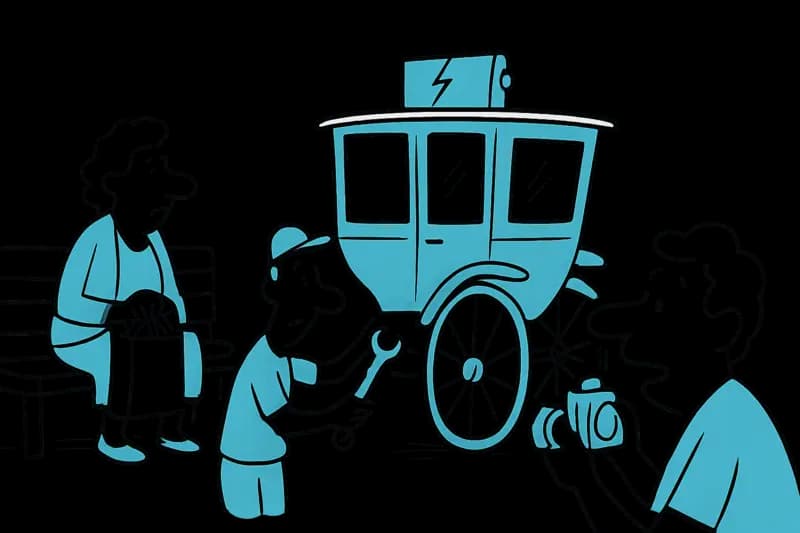
Carriages Without Horses: Palma Plans E-Carriages – a Reality Check
Palma plans to switch to electric carriages in 2027. The prototype was shown near the cathedral. What is the technology ...

Record season, empty coffers: Who really benefits from the tourism boom?
Full hotels and more flights: the numbers sound impressive — yet many locals feel no benefit. A reality check with an ev...
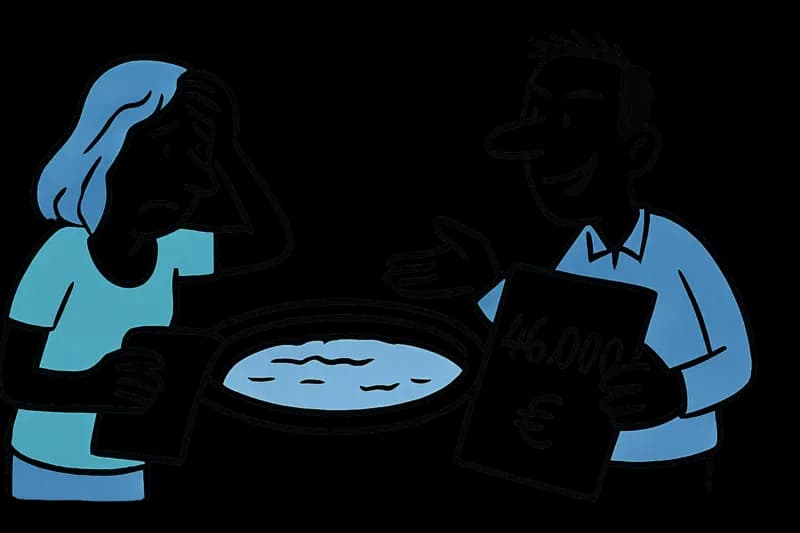
Pool ordered for €46,000 – €23,000 paid, no work carried out: A fraud case in Palma
A homeowner in Palma transferred €23,000 for the construction of a pool. Weeks later it emerged that no building applica...
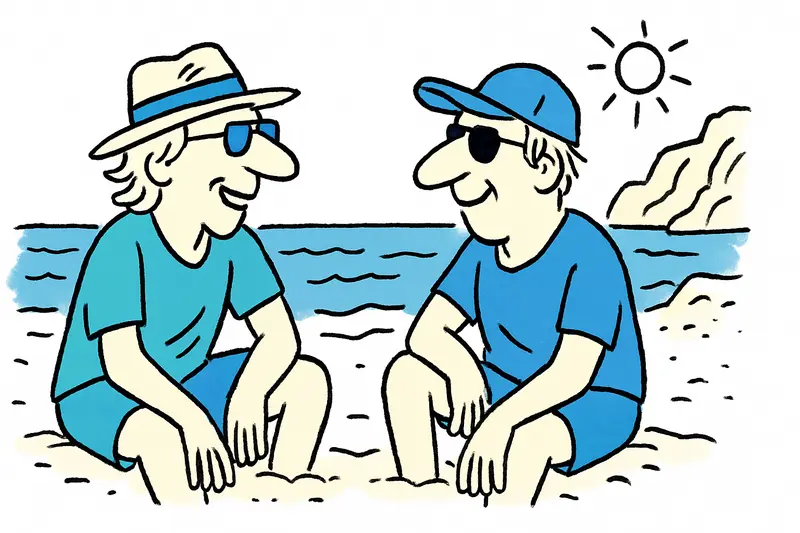
Summer greetings from the Pitiusas island: Gottschalk and Krüger enjoy the sun on Ibiza
A friendly photo of Thomas Gottschalk and Mike Krüger on Ibiza evokes memories of their shared film years and shows that...
Occupied in a Few Days: When Property in Mallorca Turns into a Dispute
Six young men were arrested in Palma after homeowners returned and could no longer open their own door. A case that rais...
More to explore
Discover more interesting content

Can Cap de Bou

Townhouse Lleo 72
