
Son Moix Revisited: Between Devotional Images, VIP Boxes and a Sport Clinic for Everyone
Son Moix Revisited: Between Devotional Images, VIP Boxes and a Sport Clinic for Everyone
A tour of Son Moix reveals more than stands: in Palma professional football meets a community hub, with curious devotional images in the locker room, glassed-in lounges and a publicly accessible Sport Clinic.
Son Moix Revisited: Between Devotional Images, VIP Boxes and a Sport Clinic for Everyone
A stadium tour that reveals discoveries for more than just football fans
Located on Camí dels Reis, northwest of Palma, is the Son Moix stadium. If you cross the road on a windless afternoon, you first hear the buses, then the distant honking of the city — and suddenly the dull thud of a ball, as if the pitch were never empty. The stadium, opened in 1999 and seating around 25,000, appears fresher and more open after the 2024 renovation.
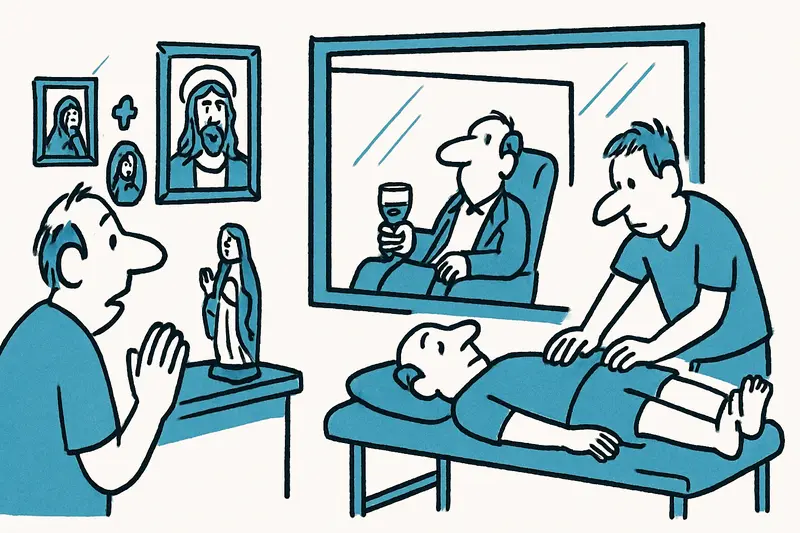
On a guided tour through the building, Louis Reimerdes from the marketing department led us through the corridors. He opened doors you normally only see on matchday: the tunnel through which the players come onto the pitch, the locker room with 25 fixed cubicles, the massage benches in the physio area — and a small surprise next to the showers. On one wall hangs a jumble of devotional images and figurines, keepsakes from former players with a religious background. To outsiders it almost looks like a family altar — a brief, human detail amid jerseys and training schedules.
Between the locker room and the turf are two glass-fronted lounges that give guests an unusually close feeling of connection to the team. In one of the lounges there is even a small, removable stand at the edge of the pitch; the other is still waiting for a sponsor. Before the match the expectation is immediately apparent: glasses clink, cameras click, and through the glass you can see the players as they disappear into the tunnel.
Higher up in the stadium lies the press room, the hub for announcements before and after matches. Not far from there stands the trophy cabinet: the 2003 Copa del Rey has a permanent place there, alongside a trophy from the Trofeu Ciutat de Palma after the win against Hamburger SV. The hall serves two purposes — watching and celebrating — and also doubles as a dining area for the presidents' lounge on special days.
A short path leads a little further to the players' parking lot. On matchday the professionals arrive by team bus; after the final whistle many players drive away in their own cars. The parking lot then fills with glossy bodies; a quick look through the windows often reveals club-branded phone cases and still-warm football boots.
The IKONO Premium Club at Son Moix: Close to the Game, Calm in Everyday Life, sponsored by the German outdoor furniture manufacturer of the same name, is an open area with views into the stadium interior. One floor above is the Tramuntana Lounge with private boxes. The largest of these boxes has 27 seats and is a regular meeting place for entrepreneurs and fans. Christmas parties have even taken place there — so the stadium is more than a weekend destination; it is a venue for the whole year, with events like the Family Festival at Son Moix: Paella, Music and Extra Buses for RCD's Match Against Osasuna.
Perhaps the most visible change is the so-called Sport Clinic. On roughly 600 square meters it offers training, physiotherapy and rehabilitation services for paying clients — staffed by the same team that also supports the professionals. Since opening in April, the clinic has begun to establish itself as a point of contact for amateur athletes, injured recreational sportspeople and rehab patients. You can hear the sounds of treadmills, the whir of modern training equipment and sometimes the laughter of people celebrating a progress milestone.
What this visit makes clear: Son Moix is not just stands and goals, but a small neighborhood of rooms. It brings jobs, medical services and meeting places for businesses and communities. For Mallorca this means a professional club that opens its infrastructure to the city, attracts visitors and creates local offerings. That is good for the neighborhood, for local trade on Camí dels Reis and for sports enthusiasts looking for on-site training and rehab services.
Looking ahead: if the people in charge fill the still-vacant lounge with a sponsor and integrate the Sport Clinic more deeply into community work, Son Moix could be lively on even more days of the year — not only on home matchdays. For Palma this would be a simple, down-to-earth opportunity: less vacancy, more encounters, a stadium that also makes sense on ordinary weekdays. Next time you drive past Camí dels Reis, stop for a moment and listen: sometimes a stadium says more about a city than its league table.
Practical note: Tours and services like the Sport Clinic are managed by the club; interested parties should contact the stadium management directly if they want to join a tour or take part in courses.
Frequently asked questions
Can you visit Son Moix in Palma outside match days?
What changed at Son Moix after the 2024 renovation?
Is Son Moix only used for football matches?
What is the Sport Clinic at Son Moix in Mallorca?
Where is Son Moix stadium located in Palma?
What can you see on a Son Moix stadium tour?
How many people can Son Moix in Mallorca hold?
What are the VIP and lounge areas like at Son Moix?
Similar News
Fear in the Sa Teulera Forest: Youth Groups Harass Cruising Zone in Palma
In the wooded area of Sa Teulera, those affected report verbal attacks, property damage and intimidation. How safe is th...
Axa opens first health center in Palma: €3 million, 650 m² and more local access for La Vileta
In the heart of La Vileta, Axa has opened its first own health center in Mallorca. On around 650 square meters and with ...

30 Years of Nit de l'Art: What Palma's Art Night Really Shows — and Conceals
Nit de l'Art celebrated its thirtieth anniversary: full galleries, young visitors — and the quiet tensions between the a...

Hunt for Older Holidaymakers: Arrests after Suspected Pickpocketing in Port d'Andratx and Bellver
Five suspects were arrested after investigators accuse them of targeted pickpocketing of elderly tourists in Port d'Andr...
Knife stabbing in Magaluf: Why it must not remain an isolated incident
A 21-year-old tourist was stabbed in the chest in Magaluf and is in life-threatening condition. A reality check: what's ...
More to explore
Discover more interesting content

Can Cap de Bou

Townhouse Lleo 72
