
Spring Sets Out: Mallorca's Refuges Are in Demand Again
Spring Sets Out: Mallorca's Refuges Are in Demand Again
Almost 17,500 overnight stays between March and May — the public mountain huts on Mallorca are filling up. Particularly popular: Son n’Amer, Tossals Verds and Galatzó. What this means for the island: a look at everyday life, benefits and tips.
Refuges, backpacks, response
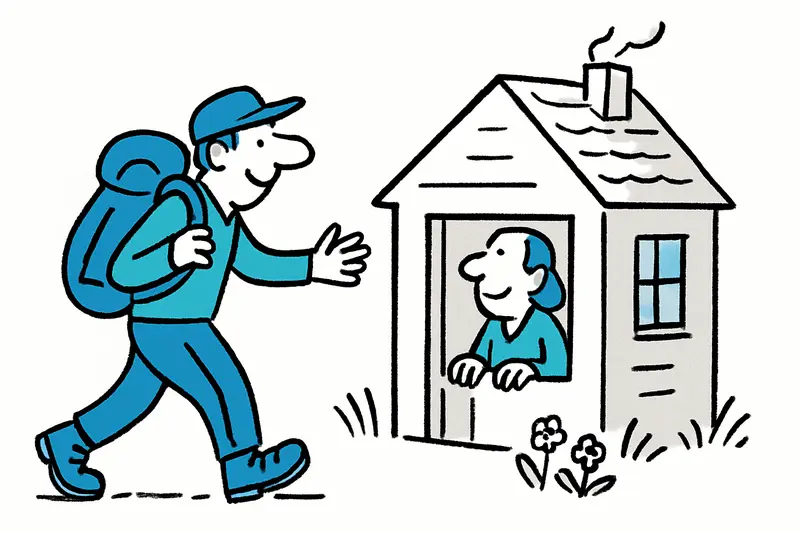
Spring has brought the sleeping bags out: from March to May nearly 17,500 overnight stays were recorded at the island's public refuges, as reported in Refugios reopen: Mallorca's mountain huts fill up after the summer break — about eight percent more than last year. Almost 4,000 reservations are already booked for June, and the huts together offer just over 270 beds.
Most frequently ticked on the reservation lists were the facilities at Son n’Amer, Tossals Verds and Galatzó, as highlighted in Full beds, full joy: Refuges in the Tramuntana packed on the holiday weekend. No wonder: those who set out early find quiet paths, may spot a few mountain goats, and in the evening hikers share stories by candlelight or over a simple bouillabaisse cooked on a gas stove.
I've seen it myself: at the car park at the foot of Puig de Galatzó couples and solo hikers lace up their boots shortly before sunrise. In a village square like Consell, coffee from the little bar already fills the air by half past six. Conversations are not about hotel bookings but about routes, water and the best viewpoints of the coast.
Why is this good news for Mallorca? Because the huts bring visitors inland. Instead of more concrete sunbeds on the beach, full refuges mean income for small village shops, use of existing infrastructure and gentle pressure to maintain trails and springs. At the same time crowds are spread out in time and space — a plus for quiet coves and for inland communities. This shift inland is part of wider discussions about visitor patterns, see More guests from Austria, Poland and Switzerland: Rescue for Mallorca's off-season?.
For those who want to stay in a refuge themselves: reserve early, don’t forget headlamps and water, follow the hut managers' instructions and take your trash back with you. Car-sharing is practical; be cautious at night in parking areas. Small tip: starting on a weekday often means more free spots and almost solitary paths.
Outlook: if demand stays at this level, it's worth maintaining and making small improvements — better trail markings, information boards in villages, perhaps flexible opening hours during peak times. The figures come from the Consell de Mallorca administration; for broader context see A Short Breather in August: Why Mallorca Remains Under Pressure. For anyone seeking peace, exercise and another side of the island: the refuges are already waiting.
Frequently asked questions
What is the weather like in Mallorca in autumn?
Can you still swim in Mallorca in autumn?
What should I pack for Mallorca in the autumn months?
Is autumn a good time to visit Mallorca?
What is Port de Pollença like in autumn?
Is Palma still worth visiting in autumn?
What is the weather like in Cala d'Or in autumn?
What are the best things to do in Mallorca when summer ends?
Similar News

When the Wallet Becomes a Danger: Attack in Peguera and Lessons for Mallorca
In Peguera, two women are said to have stolen the wallet from a 75-year-old German couple. When the victim intervened, t...
Plata stays Plata: Young people take over, Llonguets remain
A small bar on Carrer de l'Argenteria will continue: Tolo Serra hands the place over to young Mallorcans at the end of t...
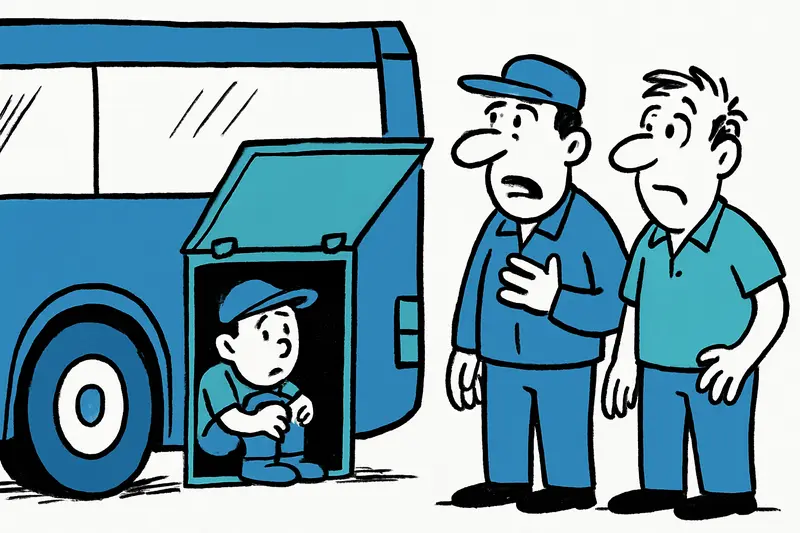
Unnoticed in the Luggage Compartment: How a Boy Traveled More Than 100 Kilometers in a Team Bus
A minor traveled in the undercarriage of a team bus for more than 100 kilometers until his cries for help were heard. A ...

Cap Vermell Grand: Second Michelin Key – a Gift for the East
The Cap Vermell Grand in Capdepera has been awarded its second Michelin key. For the region this elevates the luxury off...
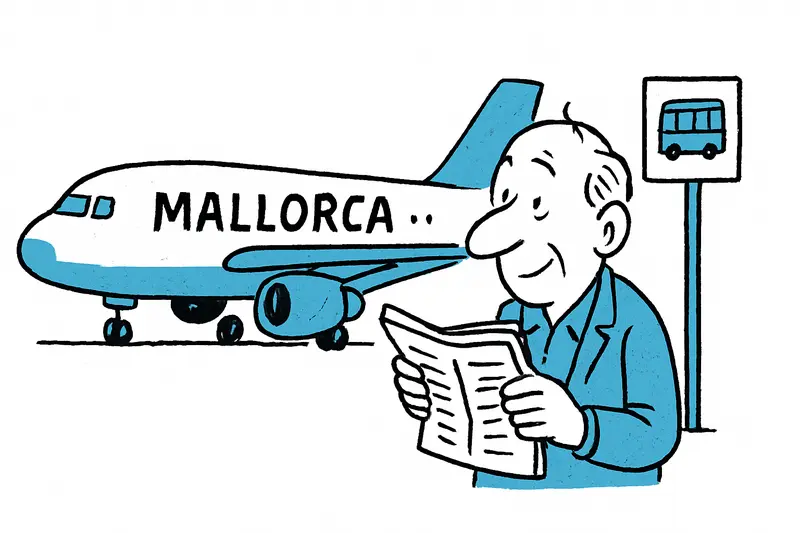
Eurowings lets four aircraft carry names – a friendly idea that also reaches Mallorca
Eurowings is launching a campaign: four Airbus A320s are to carry the first names of people who help others in everyday ...
More to explore
Discover more interesting content

Can Cap de Bou

Townhouse Lleo 72
