
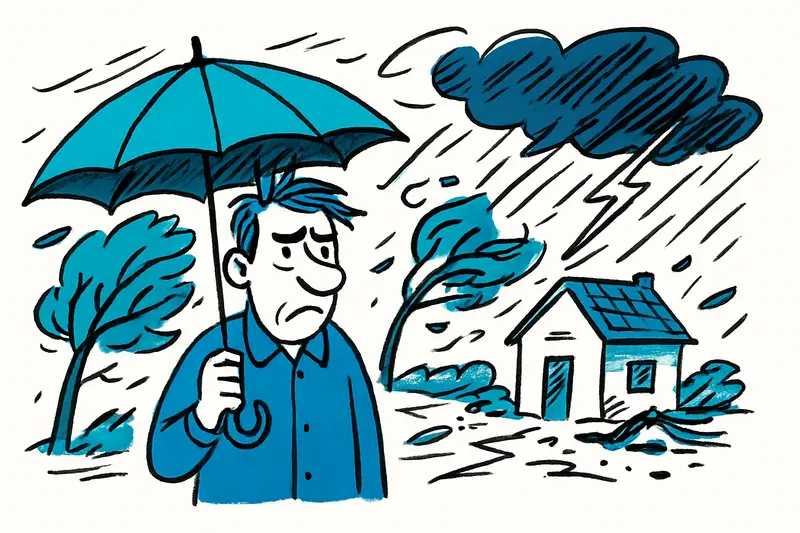
Storm Harry: 81 Emergency Responses in the Balearic Islands — a Reality Check
Storm Harry: 81 Emergency Responses in the Balearic Islands — a Reality Check
Within 24 hours Storm Harry triggered 81 emergency responses: Mallorca 50, Ibiza 25, Menorca 6. Why do such storms hit our infrastructure so hard, and what needs to change on the island?
Storm Harry: 81 emergency responses — and what next?
Key question: Why do flooded roads, stranded boats and canceled ferries in the Balearic Islands have such big consequences, even though winter storms are no surprise?
On Wednesday morning the air in Son Servera was salty and sharp. Cars stood in puddles, residents put on rubber boots, and at the edge of the Costa dels Pins there were shards of glass and driftwood — relics of a night when the sea spilled over the promenade. The tally counted 81 storm-related operations: 50 on Mallorca, 25 on Ibiza, 6 on Menorca. The main causes were flooded roads and fallen trees; a sailboat ran aground, several cars became stuck, and access to the Costa dels Pins was closed. Similar coverage of storm-related responses is available in Over 100 emergency responses after storm in the Balearic Islands – What now matters for Mallorca.
The Spanish weather agency AEMET reported waves of four to five meters for Menorca, with some measurements even showing around ten meters. Ferries were suspended as a precaution in the ports of Ciutadella and on Ibiza. The numbers are concrete, the images are unpleasant — and they raise questions that go beyond the stock photo of a wet beach; for broader context on changing patterns see Why Mallorca's Weather Isn't What It Used To Be: A Reality Check.
Critical analysis: vulnerabilities made visible again
First: our road drainage shows cracks. When water stands even after short showers, small low points in the road network become problematic. Second: trees along traffic routes. Fallen olive trees or pines are not a new phenomenon, but a lack of tree maintenance and decayed root zones increase the risk. Third: coastal building and access points like the Costa dels Pins are vulnerable because they lie directly at the transition between land and sea. Fourth: communication with commuters and tourists. Anyone who stood at a port and did not receive information about a canceled ferry knows how quickly a small delay turns into larger problems.
What is missing from the public debate
Reports list operations and canceled connections — but they rarely address priorities: should roads be closed immediately, or wait until cars get stuck? Who decides on preemptive port closures? There is a lack of transparent debate about maintenance budgets for drainage systems, about responsibilities between the municipality, island council and port authorities, and about clear rules for early evacuations during storm surge warnings. Also too rarely discussed are the economic consequences of small incidents, from damaged vehicles to outages of local providers.
Everyday scene in Mallorca
An elderly man with a shopping bag trudges past Carrer de la Mar, water splashing at his shoes, children point at the car stuck next to the restaurant. In the harbor area fishermen call for help because their boat was pushed against the quay wall. Such scenes are banal and unsettling at the same time: they show that storms do not only occur in statistics, but in the small everyday moments where people must make decisions — stay or leave, use the road or take a detour. Similar harbor incidents were reported during other local storms, for example in Night Storm Hits Andratx and Calvià – Are We Really Prepared?.
Concrete solution approaches
Short term: clear checklists for municipalities, preventive road closures at certain water levels, temporarily installable sandbag barriers at known weak points and improved warning apps that reach harbor and ferry users directly. Medium term: targeted investments in drainage (pipe sizing, retention basins), regular inspection and care of roadside trees, and binding coordination between municipalities, island council and port authorities for harbor and ferry operations. Long term: spatial planning that keeps new construction away from exposed coastal zones, more resilient harbor walls at critical points and a fund for climate-related repairs accessible to small municipalities.
Who pays, who organizes?
Responsibility is distributed: municipalities must maintain and inform, the island council plans larger infrastructure measures, and national bodies provide meteorological warnings. An effective approach would be a binding action plan that names concrete thresholds (e.g. water level, wind strength, wave height) which, when exceeded, automatically trigger measures: closures, port regulations, citizen alerts. Discussions about these thresholds and when to act are explored in Severe weather on Mallorca: When it really becomes critical — and what's still missing.
Pithy conclusion
Storm Harry has brought known weaknesses into sharp relief. Numbers and operations are the consequence, but the discussion about causes and responsibilities is often too short. If we seriously want fewer breakdowns and fewer stranded cars, we need more preparation than reaction: clear rules, better maintenance and a little courage for preventive closures. It's uncomfortable, but less annoying than a stranded sailboat the morning after.
Frequently asked questions
Why do Mallorca roads flood so quickly during a storm?
Is it safe to drive in Mallorca during heavy rain and storm warnings?
Can ferries in the Balearic Islands be canceled because of a storm?
What should I pack for Mallorca in stormy weather?
Why are coastal areas like Costa dels Pins more exposed during storms?
What happens in Son Servera when a storm hits Mallorca?
Why do storms in Mallorca cause so much disruption even when winter storms are expected?
Who is responsible for storm warnings and road or port closures in Mallorca?
Similar News
Released with Conditions: The Plus Ultra Suspicion and a Mallorcan Finca as Residence
A Dutch entrepreneur, sought in connection with the Plus Ultra case, was extradited to Spain after his arrest in Germany...

Haute Nuit in Puerto Portals: Fashion, Art and Indulgence by the Water
On October 2 the Lobster Club in Puerto Portals will be transformed into a stage for curated fashion, art and culinary e...
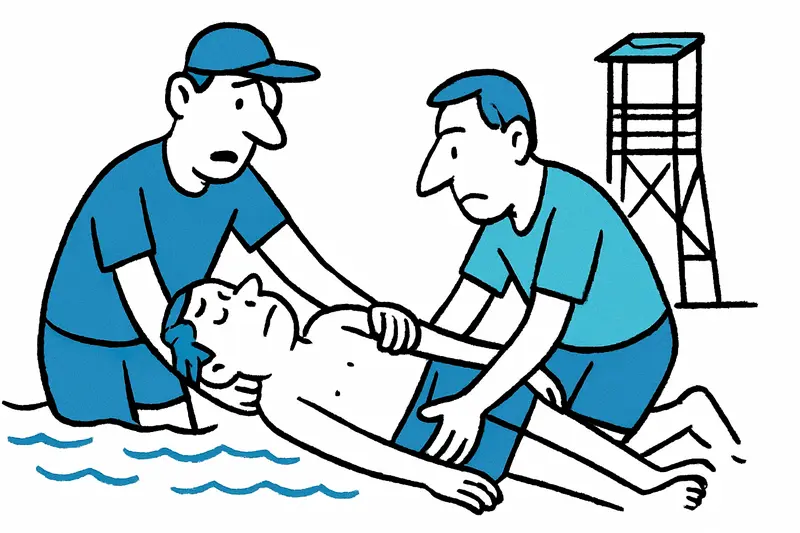
Magaluf: Watchtower Alarm – Lifeguards Pull Unconscious Beachgoer from the Water
After a drama in the late afternoon, two lifeguards at Magaluf beach rescued an unconscious 44-year-old man. He was stab...
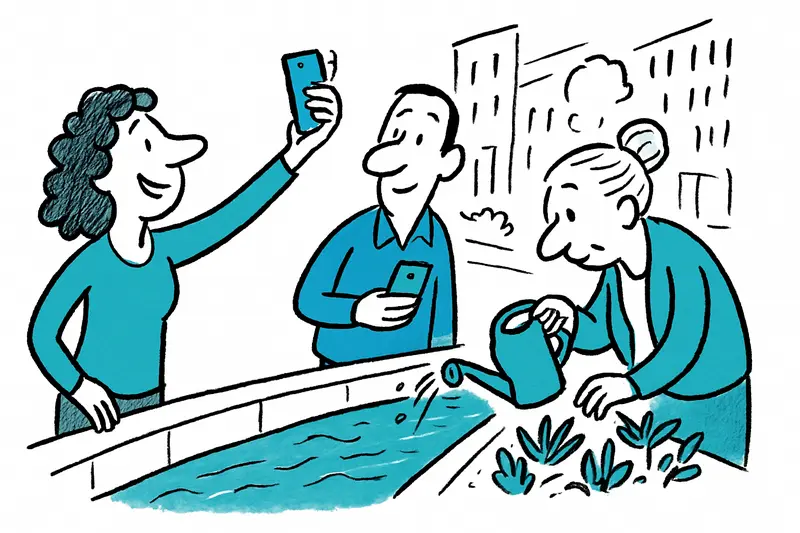
Turquoise in the City: How dangerous is the color play of the Sa Riera?
The Sa Riera in Palma suddenly turned turquoise — a pretty motif, but behind the effect lies a discharge of saline waste...

Jeckliner at Sunnesching: Cologne spirit sets sail from Palma
In September 2027 the Mein Schiff 2 briefly becomes a floating carnival stage: four days with Cologne bands, comedy and ...
More to explore
Discover more interesting content

Can Cap de Bou

Townhouse Lleo 72
