
When the Storm Held the Boat: Rescue off El Molinar and the Uncomfortable Questions
When the Storm Held the Boat: Rescue off El Molinar and the Uncomfortable Questions
In stormy seas a single-person boat got into distress off El Molinar. Despite heavy surf, a helicopter rescued the man — time for an honest assessment of safety on the water.
When the Storm Held the Boat: Rescue off El Molinar and the Uncomfortable Questions
Key question: How do we prevent future operations that unnecessarily endanger lives and rescuers?
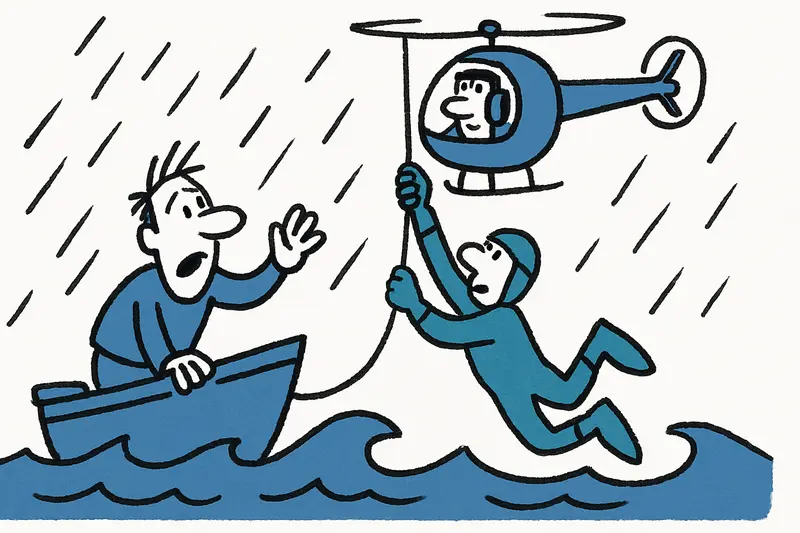
Late on Tuesday evening the coast off El Molinar turned into a stage of wind, spray and searchlights. Between 18:30 and 20:30 a lone small-boat skipper became stuck because the anchor could no longer be raised. Strong, shifting gusts and high waves initially prevented rescue boats from getting close; in the end it was a search-and-rescue helicopter whose winch lowered a swimmer so both men could later be hoisted aboard. Many people on the promenade followed the operation, called the emergency number 112 and probably only breathed easier when the aircraft carrying the recovered person flew inland.
The facts are sparse: one man on board, the boat was left behind and is expected to be salvaged later. Rescued unharmed. A yellow warning level was in effect and there were high waves. Harbour pilots and a sea-rescue boat had previously tried in vain to reach the vessel.
Critical analysis: Where the operation faltered
The rescue itself was professional, but the event raises questions. Why was a boat at sea at all with a warning level active? What information reached the skipper before departure — AEMET warnings are available, but do they reach every small skipper on the quay? That rescue boats could not get close because of the surf shows the limits of maritime assistance in heavy seas; these are the same concerns raised after Fishing boat accident off Portopetro: One dead, many unanswered questions.
What is missing from the public debate
In the conversations afterwards I heard a lot of relief on site, but hardly any self-criticism. Too often the debate focuses only on the spectacular rescue — not on prevention: clearly visible notices at harbours, mandatory weather checks before departure, clearer communication between charter companies, private owners and harbour authorities. A simple, local reminder of basic safety rules is also missing: wear life jackets, carry a radio, tell someone on land. These points are easily overlooked in the rush of everyday life.
Everyday scene from El Molinar
Imagine the scene: a pebbled beach, the promenade with its low fisherman's houses, a dog pulling on its leash in the wind. The breakwater pounds rhythmically, tourists film with phones, streetlights cast yellow light on wet stones. The evening bells fade in the distance; people whisper, some applaud as the helicopter lifts off. This is Mallorca in February — rougher than the postcards, without souvenir shops and with a real sea. And here, so close to busy promenades like El Molinar's, private risks quickly come into the public eye.
Concrete solutions
1) Visibility of warnings: Harbour operators should display AEMET warning levels visibly at entrances and piers and distribute them digitally via WhatsApp lists or information displays. 2) Pre-departure checklist: alcohol, weather, anchor test, lights, radio — a mandatory, simple check for charterers and recreational skippers. 3) Expand training offers: short refresher courses on anchor management and behaviour during anchor problems, offered in harbours like Portixol/El Molinar. 4) Communication requirement: especially when forecasts are poor, skippers should inform the harbour authority so that emergency plans can be activated early. 5) Mandatory equipment on small boats: well-fitting life jacket, handheld radio or alternative emergency buoy/EPIRB, and, if appropriate, a simple anchor-lifting device.
Why this is not just a local matter
Small incidents can quickly trigger complex operations that tie up capacities — both maritime and air rescue services; similar tragedies such as Shipwreck at Cala Millor: One Dead, Many Questions — How Can We Better Protect People? and recent storms like Night Storm Hits Andratx and Calvià – Are We Really Prepared? underline the strain on services. For islands like Mallorca, where recreational boat traffic is dense, prevention saves effort, protects people and preserves rescue resources. It's not about imposing rules on boat owners, but about installing practical, locally anchored measures that work in everyday life.
Concise conclusion: The helicopter recovery off El Molinar was correct and necessary. But it must not be the end of the discussion. Better information management, simple equipment and communication rules, and local training offers would prevent many such operations — and free El Molinar's promenade again for the calming sound of the waves instead of searchlights and sirens.
Frequently asked questions
Is it safe to go boating in Mallorca when a yellow weather warning is active?
What should I check before taking a small boat out from Mallorca?
What happens if a boat gets stuck offshore near El Molinar?
Why are rescue boats sometimes unable to reach a vessel in Mallorca?
What safety equipment should be on a small boat in Mallorca?
How can harbour authorities in Mallorca make weather warnings more visible?
Are there boat safety courses in Portixol and El Molinar?
Why do storms around Mallorca create such a strain on rescue services?
Similar News
New trick at Palma Airport: suitcase stolen from the belt — a reality check
On September 28 a 36-year-old allegedly stole a suitcase from the baggage belt of a 51-year-old German passenger at Palm...
Urgent Clearing of Palma's Torrents: Flood Prevention or Symptom of Short-Sighted Planning?
The city of Palma is responding to storm forecasts and has cleared several torrents. We ask: Is the short-term clearing ...

Evaneos and Mexico: A Reality Check for Sustainable Travel
Travel advertising often reads like a promise: local, sustainable, unique. But how deep do these promises really go? A c...

From Megapark to the Altar: Party Singer Now Offers Weddings in Mallorca
A well-known party artist combines partying and marriage: instead of a traditional church there are ceremonies at the Me...

The Maricarmen Case: Why an Eviction Is Forcing Spain's Housing Debate
Images of an 87-year-old woman on a stretcher have sparked a debate in Spain that also runs deep in Mallorca. Who protec...
More to explore
Discover more interesting content

Can Cap de Bou

Townhouse Lleo 72
