
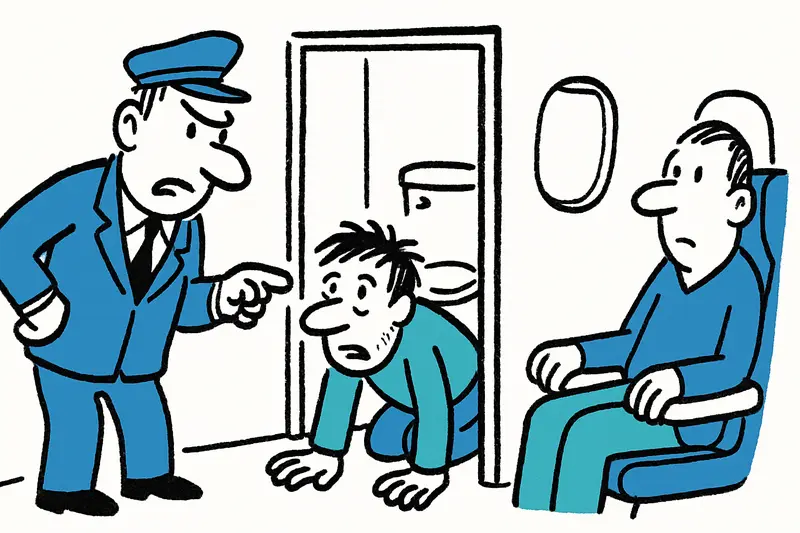
Hidden in the lavatory: the Zurich stowaway and what it means for Mallorca travelers
A man without a boarding pass in the cabin of an Edelweiss Airbus caused a three-hour delay in Zurich. How could this happen — and what lessons should airports like Son Sant Joan draw from it?
How did someone without a ticket get onto the plane?
Late on Wednesday afternoon, as the Palma afternoon sun slowly warmed the chestnut trees on the Passeig Marítim and the clatter of buses from Plaça d'Espanya could be heard, at the other end of Europe Terminal 2 of Zurich Airport flashed a yellow alert. A man had, the crew later reported, smuggled himself into an Airbus A320 without a boarding pass and hidden in the cabin lavatory. Only unusual noises revealed his presence.
The central question
The main question is simple and worrying: How could someone enter the secure area unregistered and get as far as the cabin of a flight ready for departure? For travelers from Mallorca who regularly use the route to Zurich or the Canary Islands, this is not an abstract risk but a real vulnerability in the air traffic network, as highlighted in Seven Hours of Waiting at BER: What the Mallorca Weekend Taught Us.
What is often not seen directly
In public discussion people quickly call it an "isolated case" — yet several aspects often remain hidden: access controls to staff areas, gaps in boarding containment, limited staffing outside peak hours. Social factors also play a role: some unauthorized persons seek shelter, others try to save travel costs or have mental health problems. When blue lights suddenly flash at the gate, for a moment you can hear neither the seagulls at the harbor nor the clinking of café cups on the Passeig — instead there are conversations with police and hurried searches. Related checkpoint mix-ups have been reported, for example in Accidentally Detained: When a Wrong Turn After Returning from Mallorca Becomes Costly.
Concrete consequences for travelers
In Zurich the incident led to more than three hours of delay. A return flight was cancelled, hotel nights postponed, family plans disrupted. In Mallorca such scenes are familiar: people waiting on the benches at Palma Terminal A, annoyed voices trading complaints about delays, and the constant beeping of the departure boards. These delays cost time and money — not only for passengers but also for airlines and tour operators.
Which security gaps are particularly relevant for Mallorca?
Son Sant Joan faces similar challenges to Zurich during the high season: high passenger flows, many transfer passengers, numerous staff with access badges. Those spots where control points overlap — gate areas, connecting routes between security checks and waiting areas — are potential weak points. Little attention is paid to internal controls: how often are staff badges checked, and how strictly is luggage in staff areas inspected? Incidents involving prohibited items also underline the need for vigilance, as reported in Cartridge in Hand Luggage: What Mallorca Travelers Need to Know Now.
Fields of action and opportunities
The incident suggests concrete measures that could also help Mallorca decision-makers:
1. Improved access controls: Stricter monitoring of routes into the secure area, double checks at personnel-heavy transitions, clearer marking for visitors.
2. Greater visibility and training: Ground staff and cleaning teams need regular training to recognise unusual behaviour. Those who clean ceiling voids every day should know what to watch for.
3. Targeted use of technology: More CCTV with motion analytics in peripheral areas, sensors at aircraft front doors, faster boarding tracking to identify missing passengers earlier.
4. Passenger communication and emergency plans: Clear information chains and quick replacement solutions (rebooking, hotel arrangements) reduce frustration and costs — something that is worth its weight in gold on hectic days in Palma.
More than security technology: social work is also needed
An aspect rarely discussed enough: some "stowaways" are in precarious situations. Cooperation with social services, discreet support offers at the airport and clearly defined procedures for dealing with people seeking protection could resolve future incidents in a more humane and less stigmatising way.
Conclusion: Stay vigilant without panic
The incident in Zurich was unpleasant but instructive. For Mallorca's airport operators, airlines and travelers this means: increase vigilance, close technical and organisational gaps and at the same time do not forget the social dimension. Over the next cortado at the airport café you may again hear the quiet whirr of the air conditioning and the announcement of punctual departures — if the right lessons are learned, that can stay exactly as it is.
Frequently asked questions
How can someone board a plane without a ticket?
Are airport delays from security incidents common for Mallorca travelers?
What should I pack if I’m flying from Mallorca during busy season?
Is Palma airport safe enough during high season?
What security weak points matter most at airports like Palma?
How do airlines usually react when a stowaway is found on a flight?
Why do some people try to travel without a ticket?
What can Mallorca airport operators learn from the Zurich stowaway case?
Similar News
Failed before the first flight: How Fischer Air's plans for Palma were ground down
Announced routes, repeated postponements and now apparent insolvency: Why the Fischer Air project for Mallorca is not me...

Seconds in the Water: 19-year-old Fights Her Way Out of Flooded Car in Palma
A 19-year-old managed to rescue herself from her half-submerged car after sliding under the Verge de Lluc underpass. Res...

Between Dream and Reality: Thorsten Legat and the Challenges of FC Germania Mallorca
The former Bundesliga pro has assembled a colorful squad in a short time. But how realistic is the grand plan for promot...
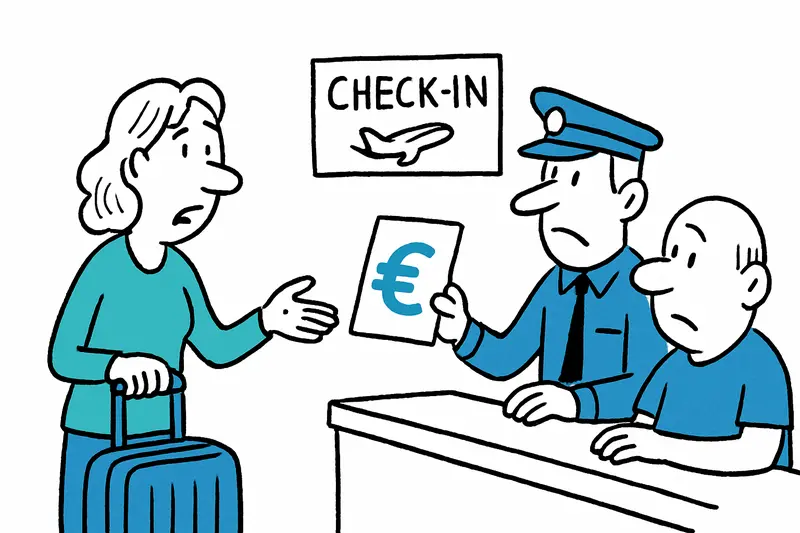
Arrest warrant at check-in: Why two travelers at Cologne/Bonn Airport suddenly had to pay
At Cologne/Bonn Airport, federal police in mid-September found two German passengers subject to enforcement measures. Bo...

Balearic Islands as a New Route: A Reality Check on Rising Boat Migration
For the first time the Balearic Islands are ahead of the Canary Islands in boat arrivals. What do the numbers really say...
More to explore
Discover more interesting content

Can Cap de Bou

Townhouse Lleo 72
