
Sudden Illness in the Cockpit: What the Emergency Landing of a Mallorca Flight Should Tell Us
Sudden Illness in the Cockpit: What the Emergency Landing of a Mallorca Flight Should Tell Us
A LOT flight from Palma to Warsaw had to make an unscheduled landing at Milan-Malpensa because the captain suddenly felt unwell. The aircraft landed safely and emergency services were on standby. What is missing from the public discussion about such incidents — and how can we actually fly more safely?
Sudden Illness in the Cockpit: What the Emergency Landing of a Mallorca Flight Should Tell Us
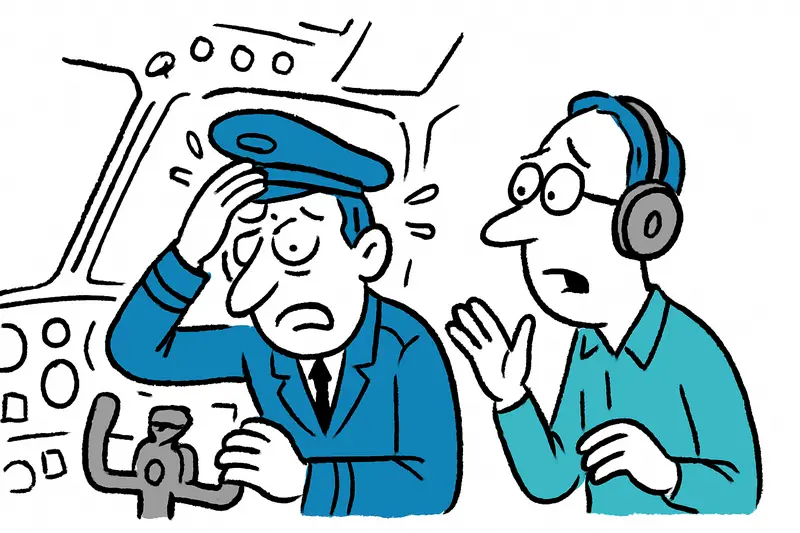
On the night to Thursday, the crew of a Boeing 737 MAX 8 of the Polish carrier LOT triggered an alarm because the captain suddenly felt unwell during the flight from Palma de Mallorca to Warsaw. The aircraft requested an emergency landing at Milan-Malpensa, touched down normally just under half an hour later, and the airport positioned ambulances, fire and rescue vehicles at the landing site as a precaution. Ultimately, the emergency services were not needed; the plane remained at Malpensa for several hours and continued its journey the next morning. Similar episodes have been reported, for example Emergency Landing at Son Sant Joan: Questions Over Arrests and Procedures.
Key question
Is it enough that a flight can land "normally" to consider the safety of passengers and crew ensured — or does the incident reveal gaps in handling acute medical problems on board?
Critical analysis
At first glance, everything worked: alarm raised, runway prepared, medical staff on standby. But safety is more than a correctly executed emergency plan. Flight medicine and aviation rules tell us that medical incidents on board can have many causes — from circulatory problems to cardiac rhythm disturbances to sudden neurological events. That the aircraft stayed on the ground and only continued hours later points to a thorough assessment. At the same time, questions remain: Were there medical records available on board regarding the crew's health? Was telemedicine used? And how transparently were passengers informed during the incident?
What is missing from public discourse
Reporting often reduces such events to headlines — "emergency landing" or "everything is fine" — and skips the intermediate steps: What diagnostics are possible in the air, how are crew resources reallocated, and how do you protect both affected individuals and travelers from unnecessary panic? It is also rarely discussed how airlines handle recurring health problems of crew members without falling into speculation. Data protection must not be used as a pretext to hide life-saving safety standards. This tendency is visible in coverage such as Heart-stopping moment over Son Sant Joan: Why the Eurowings plane climbed again, which highlights how headlines can overshadow procedural detail.
Everyday scene from the island
On Passeig Mallorca in Palma, where delivery vans beep early in the morning and cafés diffuse the smell of olive oil, travelers hear such news on their phones, as after Aborted Takeoff in Basel: Panic on Board – and What It Means for Mallorca Travelers, and exchange looks: "Luckily nothing worse happened," says a woman catching the early bus to the airport. The uncertainty remains, though: Who is up front in the cockpit, and how good is the medical precaution really?
Concrete approaches
A few pragmatic measures, without large personnel investments, would improve the situation:
1) Standardized medical reports for crew: Pilots and co-pilots should have regular, standardized health checks whose results — in anonymized form — are accessible to planners. Not to stigmatize individuals, but to reduce risks.
2) Better use of telemedicine: Airlines could establish binding telemedicine procedures so that physicians on the ground can provide additional assessments within minutes. Many airports and airlines already use this, but unified standards are missing.
3) Refreshing on-board equipment: In addition to automated external defibrillators (AEDs), medical equipment should be regularly checked and adapted to realistic scenarios. Training helps: cabin crew need refresher training for rare but consequential cases.
4) Clear information policy on board: Calm, factual updates to passengers reduce rumors and panic. A simple, standardized announcement can be very reassuring and is quick to implement.
5) Coordination with destination airports: Especially in holiday periods like July, when Palma is full of flights, procedures with frequently used diversion airports such as Milan-Malpensa or other hubs should be practiced regularly. Diversions are not hypothetical; see Delayed Mallorca–Berlin Flight: Landing in Hanover, Continued by Bus.
Conclusion
That a flight can handle medically caused incidents is part of everyday aviation. But "everything went well" must not justify complacency. We on Mallorca benefit from a dense flight schedule and many visitors — that makes us vulnerable to exactly such situations. A bit more thought about crew health, telemedicine and transparent information may not make headlines, but it can save lives and our sense of safety. And that, in the middle of a hot July night, is worth more than the calm of a misdirected tweet.
Frequently asked questions
When is the best time to visit Mallorca for warm weather and sunshine?
Can I swim and enjoy the beaches in Mallorca all year round?
What should I pack for a Mallorca trip?
What are some must-do outdoor activities in Mallorca?
Is Mallorca a good destination for a family trip?
What is the best way to travel around Mallorca to see the island?
Are there weather tips for Mallorca, like what to expect by season?
What should I know about beaches and swimming etiquette in Mallorca?
Similar News

When the Wallet Becomes a Danger: Attack in Peguera and Lessons for Mallorca
In Peguera, two women are said to have stolen the wallet from a 75-year-old German couple. When the victim intervened, t...
Plata stays Plata: Young people take over, Llonguets remain
A small bar on Carrer de l'Argenteria will continue: Tolo Serra hands the place over to young Mallorcans at the end of t...

Unnoticed in the Luggage Compartment: How a Boy Traveled More Than 100 Kilometers in a Team Bus
A minor traveled in the undercarriage of a team bus for more than 100 kilometers until his cries for help were heard. A ...

Cap Vermell Grand: Second Michelin Key – a Gift for the East
The Cap Vermell Grand in Capdepera has been awarded its second Michelin key. For the region this elevates the luxury off...
Eurowings lets four aircraft carry names – a friendly idea that also reaches Mallorca
Eurowings is launching a campaign: four Airbus A320s are to carry the first names of people who help others in everyday ...
More to explore
Discover more interesting content

Can Cap de Bou

Townhouse Lleo 72
