

Suspected Darknet Platform Operator Arrested in Calvià
Suspected Darknet Platform Operator Arrested in Calvià
In Calvià a German national was arrested on suspicion of operating a Darknet platform. A reality check: what does this mean for Mallorca?
Suspected Darknet Platform Operator Arrested in Calvià
What the raid means for the island — and what is missing from the public discussion
The key facts first: on Mallorca, in Calvià, a man of German nationality was arrested. According to investigations, he is suspected of having organised the use of an international Darknet platform. Illegal goods and services are said to have been offered on this platform — from drugs to forged documents to stolen bank data and login credentials for digital services. Investigation teams seized computers and data carriers during searches on the island. There were parallel actions in Germany with several arrests, and the server in question was taken offline. The suspect is in pre-trial detention.
Key question: How vulnerable is Mallorca to digital crime that begins virtually but has real consequences for people and businesses here?
At first glance this is a case handled by the authorities between Spain and Germany: leads, requests for legal assistance, joint searches. Such procedures usually work, but on closer inspection the operation reveals gaps that receive little attention in the public debate, as seen after a recent Major raid in Mallorca: Arrest of an alleged clan leader raises big questions.
Who thinks about the small local impacts? About users whose payment data was misused, supply chains damaged by stolen account information, holiday rentals whose access data was abused.
Everyday scene on Mallorca: an early-morning police cruiser drives along the avenue in Calvià, delivery vans unload at the port, a café on the corner fills with tradespeople and retirees. Most here are occupied with sunscreen, tourism and building sites — digital fencing appears far away. However, recent local operations, including the Raid on Mallorca: Network of Drug Trafficking and Money Laundering Shakes Palma and Surroundings, show how physical and digital crime can intersect.
Critical analysis: investigations that focus on international platforms fail in three dimensions if not all elements come together. First: prosecution alone is not enough if property is not secured or money cannot be recovered. Second: education and victim support are weak — those affected often do not report losses because they fear bureaucracy and shame. Third: technical investigations are possible but time-consuming; evaluating data carriers, cracking encrypted backups and tracing server rentals takes time and specialised resources.
What is missing from the public discourse: a sober debate about prevention in the region. On Mallorca there is much talk about tourist safety, too little about the digital resilience of small businesses, holiday renters and private individuals. What responsibility do local internet providers bear, and how quickly do hosts respond to abuse reports? And how can courts, prosecutors and IT forensics experts be better connected?
Concrete solutions that should now be on the table: first, a regional reporting and support centre in the Balearic Islands for cyber incidents — a contact point that helps victims file reports and document lost funds. Second, targeted training for police forces on the island so that technical traces can be secured more quickly. Third, closer coordination with hosting providers in Europe: the clearer the reporting channels and response times, the more likely servers can be taken offline before damage occurs. Fourth, an information campaign for landlords, small shops and seniors: simple measures such as two-factor authentication, secure backups and scepticism toward unusual payment requests reduce risk.
Politically important is also: better legal mechanisms for rapid mutual legal assistance across borders — in many cases time determines whether traces remain or money flows can be traced. Practically useful is the creation of a local expert team that brings together criminal investigators and IT specialists, perhaps supported by the island government in cooperation with security authorities, similar to reactions after the Arrest of 'El Indio' in Palma: A Step Forward with Many Questions.
To conclude with a pointed summary: the arrest in Calvià shows that the web is not a no-man's land — not even for a holiday island. The crime began in secrecy, but its consequences can become visible here. If Mallorca is not to become an easy meeting place for digital criminals, authorities, providers and citizens must strengthen the digital defensive line. Otherwise such headlines will remain only the tip of an iceberg while the problems continue quietly.
Anyone affected or with information should report it to the competent police. And if you're sitting at the bar in Portals Nous drinking an espresso: a little scepticism when sharing personal data helps more than you think.
Frequently asked questions
What is the weather usually like in Mallorca in late spring?
Can you swim in Mallorca in spring?
What should I pack for Mallorca in late spring?
Is late spring a good time to visit Mallorca?
What is Valldemossa like to visit in spring?
Is Sóller a good place to go in spring?
What is Palma like in spring for sightseeing?
Do you need warm clothes for Mallorca in spring evenings?
Similar News

Found dead in Son Gotleu: Dog walk ends fatally — what is missing in the investigation?
A 68-year-old man was found dead on Sunday morning on Tomás Rullàn street in Son Gotleu. According to his partner, he ha...
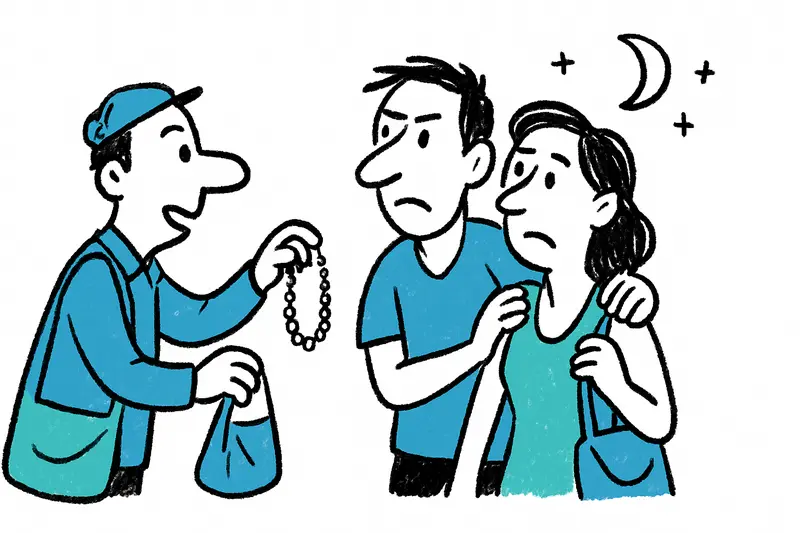
Theft at Playa de Palma: How safe are tourists at night?
At Playa de Palma street vendors snatched a gold chain worth around €5,000 from a tourist. The National Police intervene...
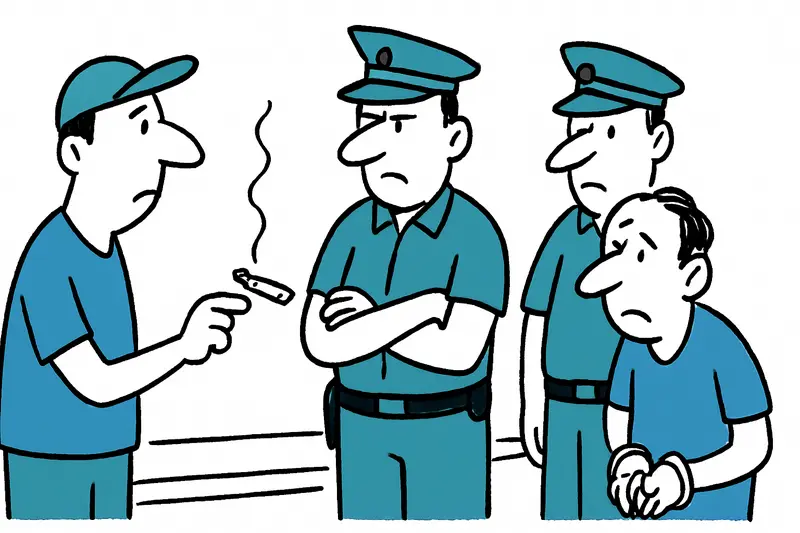
Smoking Weed at the Ballermann: Why a Ten-Euro Joint at Playa de Palma Ends in Handcuffs
A street purchase for 10 euros at Playa de Palma led to an arrest. Why a simple joint on holiday can have serious conseq...

Push-ups on the Sea: Why Prone Paddlesurf is Taking Off in Mallorca
Those who crawl belly-down across the water aren't signaling for an ambulance but curiosity: prone paddlesurf — long, na...

When Bouncers Run Amok: Emmy Russ and the Question of Safety at the Ballermann
An incident at the Megapark involving reality TV figure Emmy Russ raises broader questions about the oversight of securi...
More to explore
Discover more interesting content

Boat Tour with BBQ along Es Trenc Beach

Private transfer from Mallorca Airport (PMI) to Pollensa
