
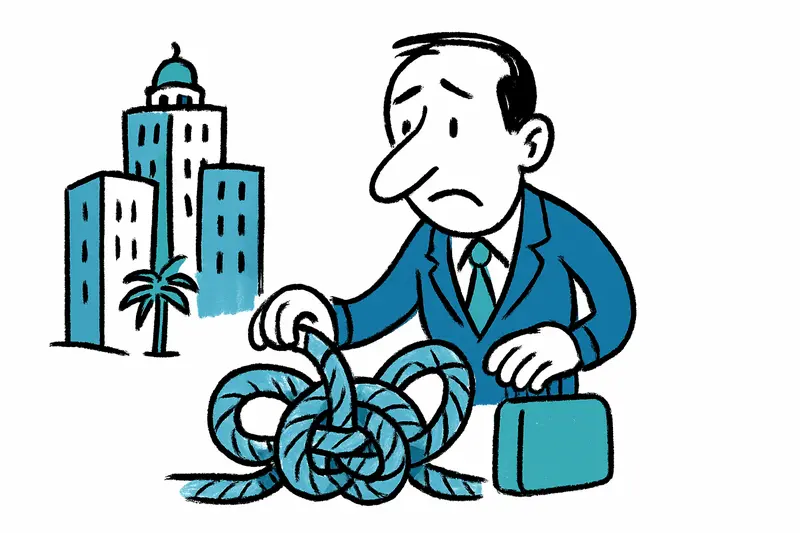
Melia withdraws from 15 hotels in Cuba — a knot in Mallorca's tourism network
Melia withdraws from 15 hotels in Cuba — a knot in Mallorca's tourism network
The Mallorcan chain Melia is giving up management of 15 hotels in Cuba. What does this mean for employees, investors and the island's economy? A critical look.
Melia withdraws from 15 hotels in Cuba — a knot in Mallorca's tourism network
Key question: What does the withdrawal mean for Mallorcan hoteliers, their employees and the vulnerability of local companies to geopolitical risks?
Early in the morning, when the bakeries in the Plaça Cort slide their first ensaimadas into the oven and the tram on the Passeig del Born quietly chuffs along the tracks, hardly anyone is thinking of Havana. Yet the news that the hotel group Melia is ending the management of 15 properties in Cuba resonates directly here on the island. The company says the decision is the result of the 'difficult political, legal and economic situation' in Cuba; many of the affected hotels are already empty, so Melia expects only limited impact on its business. Iberostar had also previously scaled back parts of its Cuban engagement, which echoes other shocks to Mallorca's connectivity reported in Ryanair pulls back – what threatens Mallorca's tourism summer.
A sober assessment: Large Mallorcan chains are not just brands, they are networks of management, booking channels, supply chains and staff movements. When a node such as a state suddenly appears less reliable, the network is readjusted. For Melia this means: less operational effort in an opaque market. For Mallorca it is a warning sign, not an immediate collapse.
Critical analysis: The group's justification is broadly phrased. 'Difficult political, legal and economic situation' can mean many things — from foreign exchange restrictions to problems with property rights to uncertainties over guarantees. Companies act when risk and effort exceed expected returns. But acting does not automatically mean things are properly settled: What happens to employed service staff on site? How are minority stakes and local partners secured? And: who bears the costs for properties that have already been closed?
What is missing from the public discourse: In Mallorca people often talk about bed numbers, occupancy forecasts and investments. Rarely, however, about the human consequences of multinational restructurings for workers in Havana, for suppliers, or the legal gaps between Spanish trademark law and Cuban property law; at the same time local infrastructure problems interfere with allocation systems (IT outage threatens allocation of 650 vacation rental slots in Mallorca). Also hardly discussed is what financial and political reinsurance the Spanish state or the EU provide to small and medium-sized tourism companies, and how business travel has already been affected (Many conferences pull out: Hotel prices make Mallorca unattractive for business travel). The loss of overseas projects also changes the strategic diversification of large hotel groups; in the long run this can affect prices, employment and investment flows on the island, while platform regulation is reshaping local supply (Airbnb Puts the Balearic Islands Under Pressure: Deleting Illegal Listings — What It Means for Mallorca).
Everyday scene in Mallorca: At the Mercat de l’Olivar chefs and suppliers are already quietly discussing cost calculations for the coming season. A waitress from Portixol who often helps out in foreign hotels during the winter says over coffee that such withdrawals can suddenly wipe out jobs — not immediately here, but in the shoulder seasons when work rests on two pillars. These quiet effects are invisible at first glance but make livelihoods unstable.
Concrete solutions: First, create transparency. Hotel groups should disclose how many employees, supply contracts and guarantees are tied to the affected properties. At the state level a risk cockpit is needed: a contact point that advises Mallorcan companies on external risks, points out legal pitfalls and — where possible — mediates short-term liquidity and insurance instruments. For the industry itself: stronger negotiation of standardized contract clauses for political risks, checks on the convertibility of revenues and real emergency plans for staff. Finally: promote regional cooperation so that skilled workers on the island can be retrained or reallocated more quickly.
A pragmatic proposal for island policy: a small fund for the shoulder season, financed from tourism surpluses, that specifically supports employment measures, retraining and local investments in trades and crafts when external shocks threaten jobs. It is not a cure-all, but a buffer against sudden shifts in the international portfolios of hosting companies.
Concise conclusion: Melia's withdrawal from Cuba is not a direct earthquake for Mallorca, more a thunderclap on the horizon. It shows how globally intertwined our local economy is and how quickly distant risks can arrive here. Those who open their market stall on the Plaça Major in the morning do not feel the effects immediately — but the waves keep coming. The task for politics and industry is to make these waves measurable, to reflect responsibility not only in balance sheets but also in working lives and supply chains, and thus make the island more resilient to external uncertainties.
Frequently asked questions
What kind of weather can you expect in Mallorca in March?
Can you swim in the sea in Mallorca during spring?
What should you pack for Mallorca in spring?
Is spring a good time to visit Mallorca for sightseeing?
What is Port de Sóller like in spring?
Is Valldemossa worth visiting in spring?
What is the weather like in Palma de Mallorca in spring?
Are Mallorca beaches busy in spring?
Similar News

When the Tap Only Runs Sometimes: Why Municipalities in the Balearic Islands Are Now Rationing Water
Deià, Valldemossa, Esporles, Sóller and several places on Menorca are scaling back water supply. Who is responsible, why...
Battle for the Ramp: Why Cala Gamba Needs More Than Enforcement
The Guardia Civil intervened in Cala Gamba — residents breathed a sigh of relief, but unease remains. Key question: Are ...

He dances at the Duty-Free: How an airport employee brings a smile to Palma
A Duty-Free employee at Palma Airport created a viral TikTok with dancing breaks. Why the scene is more than just an int...
Stolen Motorcycle in Palma: Fatal Crash in Coll d'en Rabassa Shortly After Theft
A motorcycle parked on Plaza Miquel Dolç in Son Gotleu was reportedly stolen in the early hours. Hours later two men cra...
When More Guests Mean Less: Mallorca's Restaurants at the Limit
Despite record visitor numbers, the revenues of many restaurants are shrinking. Why more visitors don't automatically me...
More to explore
Discover more interesting content

Boat Tour with BBQ along Es Trenc Beach

Private transfer from Mallorca Airport (PMI) to Pollensa
