
Late-night Calls, Broken Trust: Arrest of a Teacher in Palma
Late-night Calls, Broken Trust: Arrest of a Teacher in Palma
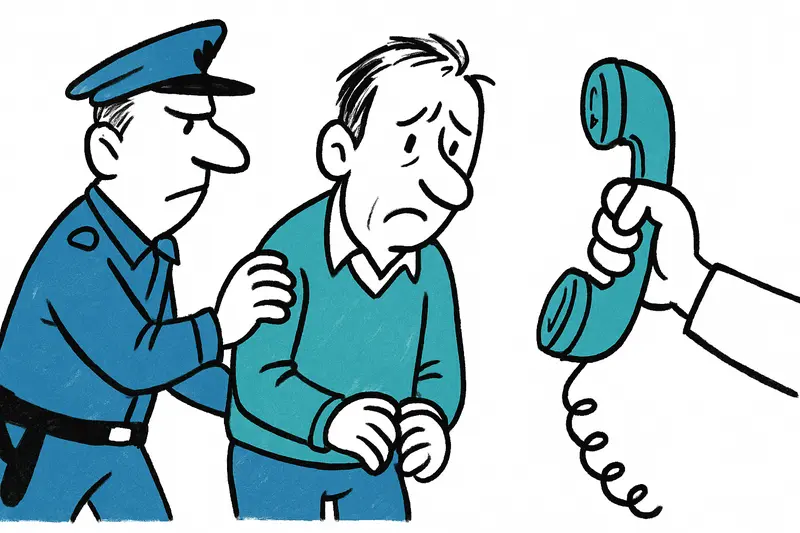
A vocational school teacher in Palma was arrested for repeatedly making late-night phone calls to a student. The investigation uncovered several potential victims. Why the system reacted so late remains a pressing question.
Late-night Calls, Broken Trust: Arrest of a Teacher in Palma
Key question
How was a teacher at a vocational school in Palma able to harass a student by phone for weeks before the judiciary and police intervened — and what gaps does this case reveal in the protection of minors and school oversight?
What happened
The National Police detained a man in Palma who is said to have worked as a teacher at a vocational school. According to investigators, a student received late-night calls for weeks from a withheld number; the caller repeatedly asked if she wanted to meet and said he missed her. The student filed a complaint as early as September. During the investigation the police identified the caller as her teacher. Phone Tracking Leads to Arrest in Palma – One Case, Many Questions. A judge issued a restraining order and a ban on contact and approaching the student. When reconstructing the case, five other possible victims emerged, three of whom have since filed complaints.
Critical analysis
The report shows a collision of power and proximity. Teacher-student relationships are asymmetrical — not every inappropriate advance is immediately visible, and not every student feels able to complain right away. That the complaint was filed in September but the investigations apparently took longer raises questions: How quickly were digital traces analyzed? Were official communication channels clearly separated from private numbers? And: how well prepared are school administrations to handle reports internally without further burdening victims? Recent incidents, including Playa de Palma at Night: Phone Tracking Catches Suspect — But What Does It Say About Our Safety?, show the importance of rapid signal analysis.
What's missing in public debate
Debate often focuses on individual cases and punishment. Rarely discussed, however, is what everyday prevention must look like: mandatory training for teachers on abuse of power, clear rules about which communication channels between teachers and students are permissible, and transparent reporting chains within schools. Also seldom addressed are simple, confidential reporting options for minors and their families that operate independently of the school authority. Broader conversations about online threats and public safety are discussed in Palma: Arrest After Threat Post — How Dangerous Is Online Rage in Mallorca?.
A scene from Palma
On a late afternoon outside a vocational school in Palma, trainees with backpacks, coffees and headphones can be seen. Some scroll nervously through their messages, others laugh. When the phone rings at night in these neighborhoods, it is not taken lightly — especially when the number is withheld. Streetlights cast yellow light on the pavement, and the city's background noise often drowns out the small warning signs that might have been noticed in quieter moments.
Concrete solutions
To prevent incidents like this from getting stuck in the system's waiting loops, I propose pragmatic measures: schools must implement binding communication rules (no private contact with students outside clearly defined channels); there should be anonymous reporting channels managed by independent bodies; digital forensics must be accelerated so withheld numbers can be traced more quickly; mandatory training for teachers on professional boundaries and prevention of boundary violations; and victims must have immediate access to psychological support and legal advice, regardless of the outcome of proceedings.
Why this matters for Mallorca
In Palma people know each other and contacts are short: parents, teachers and police are often in direct exchange. That makes prevention possible, but it can also lead to problems being kept internal to avoid 'headlines'. A culture that believes victims and has clear procedures benefits the whole island: less doubt, faster protection, and greater safety for young people on their way to school, in training facilities and in their free time.
Conclusion
The arrest in Palma is a necessary step toward clarification. But it must not remain a single case. To prevent trust from breaking and young people from being harmed, systemic action is required now: better rules, faster technical investigations, independent reporting channels and concrete local support services. Otherwise the conclusion will remain: a problem recognized, but not adequately solved.
Frequently asked questions
What should a student in Mallorca do if a teacher contacts them late at night or inappropriately?
How are withheld phone numbers investigated in Mallorca?
Can students in Mallorca report harassment at school without going through the school administration first?
What signs should parents in Mallorca watch for if a child is being harassed by phone?
How quickly should police act in a harassment case involving a minor in Mallorca?
What contact rules should schools in Mallorca have with students?
What support is available for young people in Palma after harassment?
Why is boundary training for teachers important in Mallorca schools?
Similar News
Mistaken identity with fatal consequences: Brutal assault in S'Aranjassa — what's missing in the follow-up?
At S'Aranjassa a visitor to a finca was tied up, beaten and thrown out of a van. Three men have been arrested, including...

High heel slips, car accelerates: accident on Camí de Son Hugo
A woman lost a high-heeled shoe on the forecourt of the sports facility at Camí de Son Hugo. The car accelerated, mounte...

Phone Scam: How Two Hotel Employees at Playa de Palma Lost Thousands of Euros
One morning in September, two reception employees at Playa de Palma were pressured by alleged alarm-company staff — in t...
When the Wallet Becomes a Danger: Attack in Peguera and Lessons for Mallorca
In Peguera, two women are said to have stolen the wallet from a 75-year-old German couple. When the victim intervened, t...
Plata stays Plata: Young people take over, Llonguets remain
A small bar on Carrer de l'Argenteria will continue: Tolo Serra hands the place over to young Mallorcans at the end of t...
More to explore
Discover more interesting content

Can Cap de Bou

Townhouse Lleo 72
