
Third dolphin dead on Mallorca's coast: key question, analysis and concrete steps
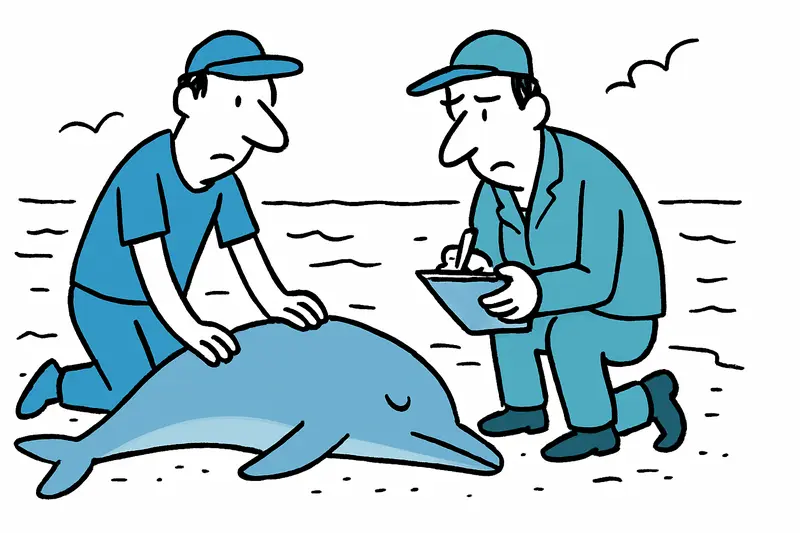
A dead dolphin was discovered yesterday around 4:00 PM on Palma's old mole. Firefighters and aquarium staff tried to help. It is the third find within days in the Balearics. What does this mean for our coast?
Third dolphin dead at Palma's old mole: what's behind it?
Yesterday afternoon, around 4:00 PM, walkers discovered a deceased dolphin on the dark rocks of Palma's old mole (see Mystery at the Mole: Striped Dolphin as a Warning for Palma's Sea). Palma's fire brigade and staff from the Palma Aquarium were quickly on site and tried to return the animal to the water — in vain. The carcass is now being examined to clarify the cause of death. The incident follows two other finds of dead dolphins within a few days: at Es Trenc (Mallorca) and at Cala Galdana (Menorca) (see Two Dead on Balearic Coasts: When the Sea Withholds Answers).
Key question
How dangerous is this cluster of deaths for the marine fauna of the Balearics, and what measures are missing so that we do not only react but act preventively?
Critical analysis
The headline is quickly told: a sad find at a well-known stretch of shore. The analysis must go deeper. Several dead dolphins within a few days can be a coincidence — or a signal. Possible causes range from pathogens, poisoning by pollutants, contamination by microplastics or chemicals, ship collisions, entanglement in fishing gear, to environmental phenomena like local algal blooms and nutrient run-off after heavy rains. At the old mole, waves, boat traffic and steep rocky sections are factors that can further burden an already weakened population.
What we know: firefighters and aquarium staff acted, the carcass is being examined. What we do not know: which specific tests are being carried out, whether samples are being taken for viruses, bacteria, toxins, heavy metals and microplastics, and how quickly results will be published.
What is missing in the public discourse
When looking out to sea three things are often missing at once: transparency, prevention and routine. Transparency means: quick information about which tests are being conducted and which authorities are involved. Prevention means: ongoing monitoring of water quality and communication channels between fishing associations, ports, research labs and rescue services. Routine means: a standardized, island-wide stranding and investigation concept that is not improvised with every new find.
Everyday scene from Palma
Anyone walking along the Paseo Marítimo today hears the screeching of seagulls, sees fishermen at the Moll Vell checking their nets, and watches passersby with thermoses stop to look at the rocks. Conversations revolve around the weather, the ferries and — now — the dead dolphin and other recent finds such as the Dead shark on Palma's city beach: a sign of a bigger problem?. The mood is subdued; such findings strike a sensitive spot on the island, because many live and work with the sea here and let their children swim in it.
Concrete solutions
1) Unified stranding protocol: a binding procedure for finding, recovery, sampling and transport to pathology. This protocol should apply to all Balearic islands and be publicly accessible.
2) Comprehensive laboratory analysis: tests for viruses and bacteria, for toxins (e.g. algal toxins), heavy metals and microplastics, and investigation of stomach contents. Publish results openly and communicate timing clearly.
3) Expand monitoring: regular water samples at key sites (Es Trenc, bays such as Cala Galdana, harbor moles) after heavy rain and storms; use satellite data and drones to monitor algal or oil pollution.
4) First responders & training: fire brigades, aquarium teams, harbor authorities and volunteers should be systematically trained — not only in recovery but in gentle first aid for injured marine mammals.
5) Public reporting portal: an easily accessible, multilingual portal plus hotline for reports of dead or injured marine animals, supplemented by clear guidance on what the finder should or should not do.
6) Coordinate fisheries and shipping: consider temporary restrictions in particularly sensitive zones and raise awareness among boat operators about collision risks.
Pithy conclusion
A dead dolphin at the old mole is more than a local news item; it is an alarm signal. Not every dead animal means catastrophe, but three finds in quick succession do not justify a dismissive tone. Clear information, scientific investigations and a joint strategy between authorities, researchers and civil society are necessary. If we take the sea seriously — in daily conversations on the Paseo, when repairing nets at the Moll Vell or over coffee in the old town — this must lead to planned action before individual cases become a trend.
Frequently asked questions
Why are dolphins being found dead on Mallorca’s coast?
What should I do if I find a dead dolphin in Mallorca?
Is it still safe to swim in Mallorca when marine animals are washing up dead?
What causes dolphin strandings after heavy rain in Mallorca?
What is happening at Palma’s old mole after the dead dolphin was found?
Why are several dead dolphins in Mallorca and the Balearics a concern?
How are dead dolphins examined in Mallorca to find the cause of death?
Are there official reporting systems for dead marine animals in Mallorca?
Similar News

Mistaken identity with fatal consequences: Brutal assault in S'Aranjassa — what's missing in the follow-up?
At S'Aranjassa a visitor to a finca was tied up, beaten and thrown out of a van. Three men have been arrested, including...

High heel slips, car accelerates: accident on Camí de Son Hugo
A woman lost a high-heeled shoe on the forecourt of the sports facility at Camí de Son Hugo. The car accelerated, mounte...

Phone Scam: How Two Hotel Employees at Playa de Palma Lost Thousands of Euros
One morning in September, two reception employees at Playa de Palma were pressured by alleged alarm-company staff — in t...

When the Wallet Becomes a Danger: Attack in Peguera and Lessons for Mallorca
In Peguera, two women are said to have stolen the wallet from a 75-year-old German couple. When the victim intervened, t...
Plata stays Plata: Young people take over, Llonguets remain
A small bar on Carrer de l'Argenteria will continue: Tolo Serra hands the place over to young Mallorcans at the end of t...
More to explore
Discover more interesting content

Can Cap de Bou

Townhouse Lleo 72
